
Vegetables
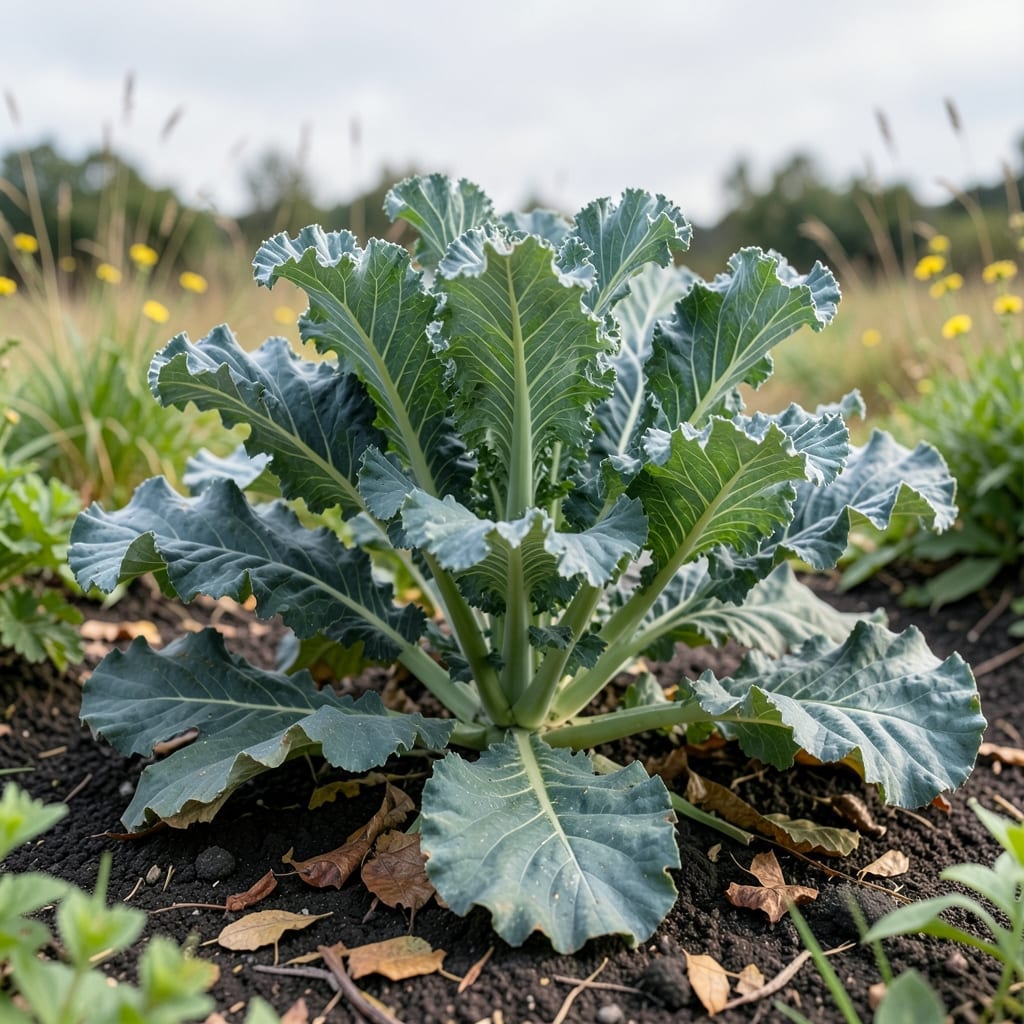
If you’ve ever wondered just how tall your 🥬 kale can grow—or whether those towering leaves mean your garden is thriving—you’re not alone. Kale’s height varies wildly depending on the variety, and getting it right can mean the difference between a bountiful harvest and a sad, leggy disappointment.
Most gardeners expect kale to stay compact, but some varieties can stretch up to 3 feet or more, especially if left unpruned. Whether you’re growing dwarf types for containers or tall stalks like Lacinato for salads, understanding these growth patterns helps you optimize space and yield. Let’s break down the science behind kale’s height and how to keep it growing strong.
The key to managing kale height lies in pruning and variety selection. Cutting back regularly encourages bushier growth, while ignoring it can lead to overgrowth or even bolting—when the plant flowers prematurely. I’ll show you exactly how to balance height for maximum harvests, no matter your garden’s size or climate.
Ready to turn those towering leaves into a steady supply of fresh greens? Let’s dive into the varieties, pruning tricks, and troubleshooting tips that’ll keep your kale thriving—no matter how tall it gets.

Kale varieties and their maximum heights: dwarf to giant growth ranges
Kale’s height varies dramatically by variety, with some staying compact enough for containers while others reach nearly 3 feet. The difference often comes down to whether it’s a loose-leaf type (like Red Russian) or a heading variety (like Lacinato). Choosing the right type for your space—and climate—can mean the difference between a bountiful harvest and a sad, leggy disappointment.
For gardeners with limited space, dwarf varieties are a game-changer. These stay between 8–12 inches tall and produce tender leaves perfect for salads or microgreens. Meanwhile, taller varieties like Winterbor or Vates can stretch up to 24–36 inches, making them ideal for larger gardens or trellising. Climate also plays a role—cooler regions often yield taller, more robust plants, while hot summers can stunt growth or trigger early bolting.
Here’s how the most popular varieties stack up in height—and what that means for your garden:
| Variety | Type | Mature Height | Best For |
|---|---|---|---|
| Dwarf Blue Curled | Loose-leaf | 8–12 inches | Containers, salads |
| Red Russian | Loose-leaf | 12–18 inches | Cold climates, cut-and-come-again |
| Lacinato (Dinosaur Kale) | Heading | 18–24 inches | Stalks, salads, sautéing |
| Winterbor | Heading | 24–36 inches | Cold-hardy, large leaves |
| Vates | Heading | 12–18 inches | Sweet flavor, early harvest |
| Scarlet | Loose-leaf | 12–20 inches | Colorful leaves, cold tolerance |
*Height can vary by climate and pruning habits.
If you’re growing kale for its stalks (like Lacinato), expect taller plants with thicker stems—ideal for roasting or stir-fries. For leaf-only harvests, loose-leaf types like Red Russian stay shorter but produce continuously if pruned correctly. The key to managing height? Pruning and thinning—both encourage bushier growth and prevent legginess.
One common mistake is assuming all kale grows the same height. For example, Winterbor can reach 3 feet in ideal conditions, while Dwarf Blue Curled tops out at 1 foot. Planting the wrong variety for your space leads to overcrowding or wasted garden real estate. Always check the seed packet or plant tag for mature height before committing.
Climate also tweaks these numbers. In cool, short-season climates (like Zone 5), kale often grows taller and more slowly, while hot summers can stunt growth or cause bolting—when the plant sends up a flower stalk instead of leaves. If you notice your kale stretching unusually tall with sparse leaves, it’s likely reaching for light or stressed by heat.
For container gardeners, stick to dwarf or semi-dwarf varieties like Dwarf Blue Curled or Scarlet. These thrive in 5-gallon pots and stay under 18 inches, making them perfect for balconies or patios. If you’re growing in the ground, taller varieties like Winterbor shine in larger beds or when trellised for vertical growth.
Pro tip: If you love the flavor of tall varieties but lack space, try pruning them back early. Cutting the main stem just above the lowest leaves encourages side shoots, creating a bushier, shorter plant that yields more leaves over time. This works especially well with heading types like Lacinato.
Kale varieties and their maximum heights: dwarf to giant growth ranges
Kale’s height can vary dramatically depending on the variety, with some staying as short as 8 inches while others reach towering 3 feet. Understanding these differences helps you choose the right type for your garden space and harvest goals. Dwarf varieties like Dwarf Blue Curled are perfect for containers, while tall stalks like Lacinato thrive in open beds.
Most kale falls into three height categories: dwarf (8–12 inches), semi-dwarf (12–18 inches), and standard (18–36 inches). The difference isn’t just about space—it also affects how you harvest and prune. For example, loose-leaf varieties like Red Russian stay compact, while heading types like Winterbor grow taller for larger central stalks.
Here’s how climate plays a role: cooler temperatures slow growth, keeping plants shorter, while warm weather can cause bolting (premature flowering) and rapid height spikes. If you’re in a hot zone, opt for heat-tolerant varieties like Vates kale, which stays sturdy even as it grows taller.
| Variety | Type | Max Height | Best For |
|---|---|---|---|
| Dwarf Blue Curled | Loose-leaf | 8–12 inches | Containers, small gardens |
| Red Russian | Loose-leaf | 12–18 inches | Cut-and-come-again |
| Lacinato (Dinosaur) | Heading | 24–36 inches | Salads, long stalks |
| Winterbor | Heading | 18–24 inches | Cold climates, storage |
If you’re growing kale for continuous harvests, prioritize loose-leaf varieties like Red Russian—they stay shorter and produce new leaves faster. For large central stalks, heading types like Lacinato are ideal, but expect them to grow taller and require more space. Always check seed packets for mature height estimates, as even within a variety, growth can vary by 10–15%.
Pro tip: If your kale starts stretching too tall, it may need more sunlight or less nitrogen. A quick fix is to prune the top leaves to redirect energy to side shoots, keeping the plant bushier and shorter. This works especially well for overgrown Lacinato plants that bolt upward unexpectedly.
Remember, height isn’t the only factor—leaf size and growth rate also matter. For example, Vates kale stays compact but produces massive leaves, while Winterbor grows taller but bolts faster in heat. Choose based on your climate and harvest preferences!