
Size
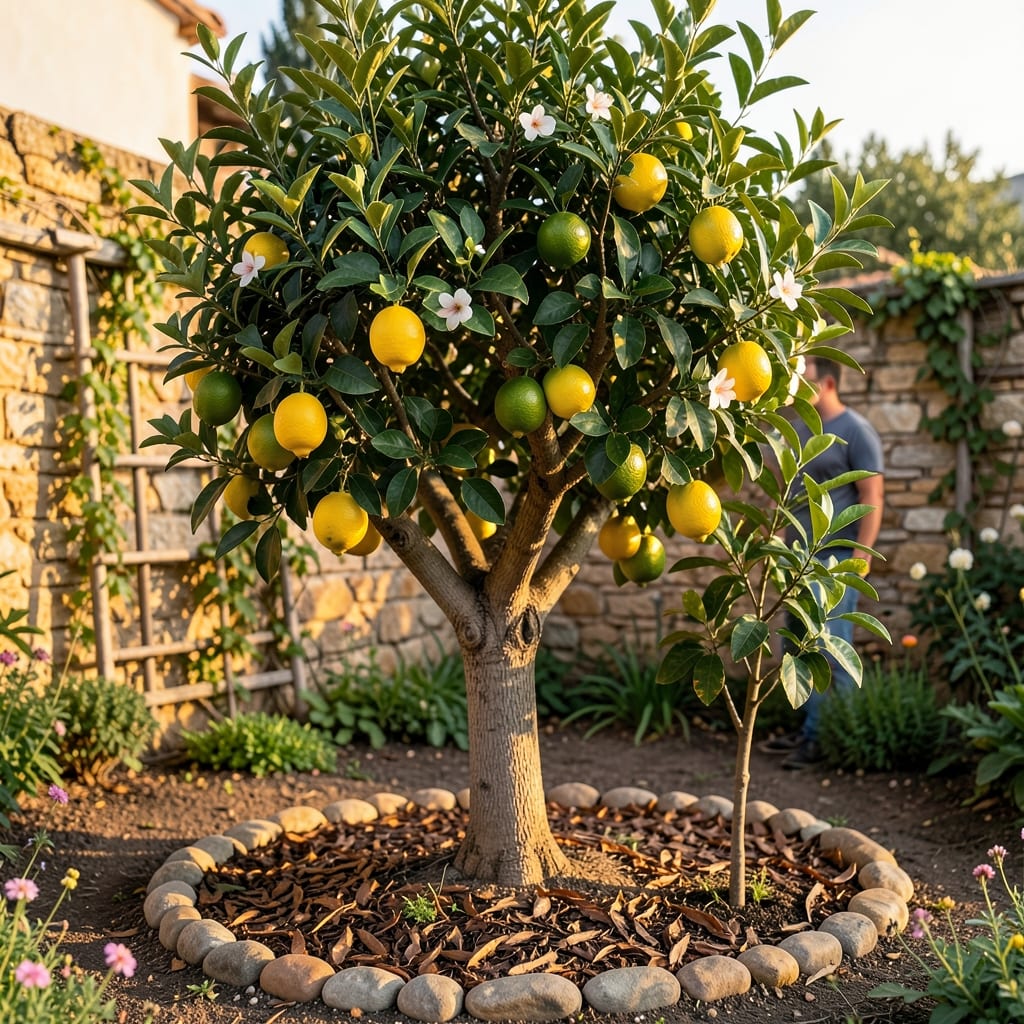
If you’ve ever dreamed of plucking fresh lemons from your own backyard but wondered how tall lemon trees can grow, the good news is: size isn’t just about luck—it’s about choosing the right variety and knowing how to guide its growth.
Some lemon trees can tower over 20 feet like towering citrus giants, while others stay compact enough to thrive in containers or small gardens. The difference? Variety, pruning, and a little know-how. Whether you’re working with a Meyer lemon’s delicate branches or an Eureka’s sturdy structure, understanding these factors is the key to getting the perfect-sized tree for your space.
Let’s break down exactly how tall lemon trees can grow—from dwarf varieties that fit on a balcony to standard trees that need room to stretch their branches wide. You’ll also discover the pruning secrets that can keep your tree at your ideal height while boosting fruit production.
Ready to turn your lemon dreams into reality? We’ll cover everything you need to know to grow a tree that’s just the right size for your home—no guesswork required.


Lemon tree height by variety: from dwarf to standard sizes explained
When planning your citrus garden, the first question is almost always: how tall can lemon trees grow? The answer depends entirely on the variety you choose, as some lemon trees stay small enough for containers while others become towering backyard features. Understanding these differences is key to selecting the perfect tree for your space and climate.
For example, a standard lemon tree like the Eureka or Lisbon can reach heights of 20 to 30 feet when grown outdoors in ideal conditions. These varieties are perfect for large gardens or rural properties where they can spread their branches wide. However, if you’re dreaming of a lemon tree for your patio or balcony, you’ll want to focus on dwarf or semi-dwarf varieties that stay between 8 to 18 feet tall.
The Meyer lemon, a popular choice for home gardeners, typically matures around 10 to 12 feet tall. It’s a versatile option that works well in both ground planting and large containers. Meanwhile, the Ponderosa lemon, known for its massive fruit, can grow up to 25 feet tall, making it more suited for expansive landscapes.
Here’s a quick comparison to help you visualize the differences:
| Variety | Mature Height | Best For | Notes |
|---|---|---|---|
| Meyer Lemon | 8–12 ft | Containers, small gardens, patios | Cold-hardy, sweet fruit |
| Eureka Lemon | 15–25 ft | Large gardens, landscapes | Classic lemon flavor, needs space |
| Lisbon Lemon | 20–30 ft | Rural properties, orchards | Thick-skinned, high yield |
| Ponderosa Lemon | 20–25 ft | Landscapes, large containers | Giant fruit, needs pruning |
| Dwarf Varieties (e.g., 'Improved Meyer') | 6–10 ft | Containers, balconies, small spaces | Ideal for indoor/outdoor growing |
If you’re growing your lemon tree in a container, even standard varieties can be kept smaller through regular pruning and root restriction. A 5-gallon pot is ideal for dwarf varieties, while semi-dwarf trees may need 15-gallon containers to thrive. For standard trees, a 20-gallon pot or larger is recommended to prevent root-bound stress.
Another factor to consider is growth rate. Lemon trees grow about 1 to 2 feet per year in ideal conditions, but this can slow down in cooler climates or smaller containers. For example, a Meyer lemon planted in a 10-gallon pot might only reach 6 feet in 3 years, while the same tree in the ground could hit 10 feet in the same time.
For gardeners in USDA Zones 9–11, where lemon trees thrive year-round, height isn’t the only concern—spread matters too. Standard varieties can grow 10 to 15 feet wide, while dwarf types stay between 4 to 6 feet wide. This means even a compact lemon tree needs space to avoid overcrowding other plants.
One common misconception is that all lemon trees will grow to their maximum height if left unchecked. In reality, pruning plays a huge role in controlling height and encouraging fruit production. For instance, if you prune a Meyer lemon aggressively in its first year, you can keep it under 8 feet tall even as it matures. We’ll dive deeper into pruning techniques in the next section to help you manage your tree’s size effectively.
Before finalizing your choice, consider your climate and sunlight. Lemon trees need full sun (6+ hours daily) to reach their full potential. In shadier conditions, growth slows, and the tree may stay shorter than expected. For example, a Lisbon lemon in partial shade might only reach 15 feet instead of its full 25 feet.
Now that you know the height ranges for different lemon tree varieties, you can confidently choose the perfect fit for your garden—whether it’s a towering backyard centerpiece or a compact container gem. The next step? Learning how to prune your tree to keep it at your ideal height while maximizing fruit production.
How pruning controls lemon tree height: step-by-step techniques for gardeners
Pruning isn’t just about keeping your lemon tree looking neat—it’s the secret weapon for controlling its height and shaping its future. With the right techniques, you can keep a standard lemon tree from becoming a 20-foot monster or encourage a dwarf variety to stay compact. The key is timing, tools, and knowing which branches to trim. Let’s dive into the step-by-step methods that will give you a lemon tree tailored to your space.
First, understand that pruning lemon trees should always be done during the dormant season (late winter or early spring) or right after harvest. This minimizes stress on the tree and encourages healthy growth. Avoid heavy pruning in summer, as it can expose the tree to heat stress and pests. Start with clean, sharp pruning shears or a saw for thicker branches—dull tools can damage the tree and invite disease.
Here’s where the magic happens: crown thinning and heading back. Crown thinning involves removing selective branches from the center of the tree to improve airflow and light penetration. This not only controls height but also reduces the risk of fungal diseases. Heading back, or cutting back the tips of branches, encourages bushier growth and can lower the overall height of the tree by promoting lateral branches.
Step-by-Step Pruning Guide for Lemon Trees
-
Step 1: Assess the Tree
Examine the tree for dead, diseased, or crossing branches. Remove these first—they’re the lowest-hanging fruit (literally). -
Step 2: Thin the Canopy
Target branches growing inward or upward. Aim to remove 20-30% of the canopy to maintain an open structure. -
Step 3: Head Back Branches
Cut back the tips of vertical branches by 1/3 to 1/2 their length. This encourages horizontal growth, reducing height. -
Step 4: Shape the Tree
Use pruning to create a natural shape, like an open vase or rounded form. Avoid leaving stubs—cut just above a leaf node. -
Step 5: Clean Up
Sterilize your tools with rubbing alcohol and remove all pruned debris from the base to prevent pests and diseases.
Pro Tip: Prune in stages over 2-3 years for gradual height control and less stress on the tree.
For dwarf lemon trees, pruning is even more critical. These varieties, like the Meyer lemon, are naturally smaller but can still grow taller if left unchecked. Regular pruning—every 3-4 months—will keep them at a manageable height, often between 6-10 feet. Focus on removing any suckers (shoots growing from the base) and keeping the tree’s center open to prevent congestion.
Don’t forget about structural pruning, which involves training young trees to develop a strong framework. Start by selecting 3-5 main branches to form the tree’s skeleton. Remove competing branches early to guide the tree’s growth in the direction you want. This method is especially useful if you’re growing a lemon tree in a container, where height and spread are limited.
With consistent pruning, you can transform a wild, unruly lemon tree into a well-behaved, fruit-bearing beauty—no matter how much space you have (or don’t have). The key is patience and precision. Start small, observe how the tree responds, and adjust your approach as needed. Before you know it, you’ll have a lemon tree that’s just the right size for your home, garden, or even your kitchen counter!