
Flowers
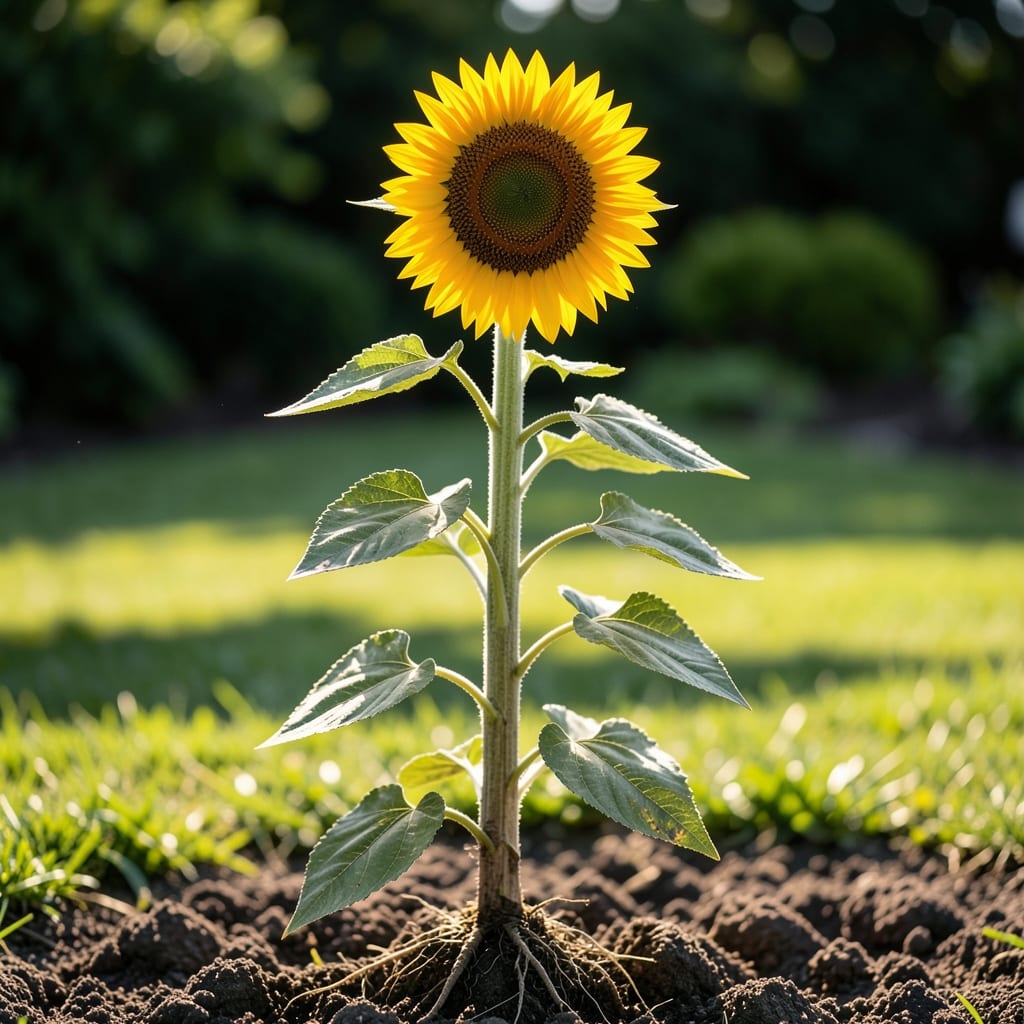
If you’ve ever dreamed of growing a sunflower that could outshine your two-story house, the answer to how tall can mammoth sunflowers grow is right in your garden: these giants 🌻 can reach staggering heights of 12 to 16 feet—but only if you know the secrets behind their skyward growth.
Most gardeners assume these towering beauties are a rare exception, but with the right conditions, they’re surprisingly accessible for home gardens. Whether you’re planting in USDA Zone 6a or another sunny spot, understanding their growth habits is the key to unlocking their full potential.
From the Russian Giant variety to classic Mammoth types, each has its own height ceiling—but soil quality, sunlight, and spacing play even bigger roles. I’ll break down exactly what it takes to grow them to their maximum height, plus common mistakes that keep them from reaching their glory.
Ready to turn your garden into a sunflower skyline? Let’s dive into the factors that determine whether your Mammoth sunflowers will hit 14 feet or stay stuck at 8 feet—and how to ensure they tower over everything else in sight.

Mammoth sunflower height by variety: record-breaking heights explained
Mammoth sunflowers are the giants of the garden world, but not all varieties reach the same towering heights. The average height for most Mammoth sunflowers ranges between 10 to 14 feet, but some elite varieties can surpass 16 feet under ideal conditions. Their impressive stature makes them a showstopper in any landscape, but knowing which variety to plant can mean the difference between a 12-foot beauty and a 16-foot colossus.
For gardeners chasing the ultimate height record, the 'Russian Giant' variety is the gold standard. This variety is famous for breaking height records and has been known to reach up to 18 feet in controlled environments. Meanwhile, the classic 'Mammoth' variety typically grows between 12 and 16 feet, while 'Autumn Beauty' leans slightly shorter at 8 to 12 feet but boasts stunning bicolor blooms.
| Variety | Average Height | Maximum Recorded Height | Best For |
|---|---|---|---|
| Russian Giant | 14-16 ft | 18 ft+ | Record-breaking gardens |
| Mammoth | 12-16 ft | 16 ft | Classic garden displays |
| Autumn Beauty | 8-12 ft | 14 ft | Colorful landscapes |
| Moulin Rouge | 10-14 ft | 15 ft | Bold red blooms |
If you're aiming for a 16-foot sunflower, the 'Russian Giant' is your best bet, but it requires exceptional care. For a slightly shorter but equally stunning option, the 'Mammoth' variety offers a reliable 12-to-16-foot range with less fuss. Each variety has its own unique growing quirks, so choosing the right one depends on your garden's space and your patience for maintenance.
One surprising fact about Mammoth sunflowers is that their height isn't fully realized in the first year. In their second year, these giants can surpass their first-year height by several feet, especially if given optimal growing conditions. This delayed growth means patience is key—what looks like a modest 10-foot stalk in year one could double in height the following season.
For gardeners in smaller spaces, varieties like 'Autumn Beauty' or 'Moulin Rouge' strike a balance between height and manageability. They still reach impressive heights but are easier to accommodate in backyard gardens without requiring a dedicated "sunflower tower" spot. Even these shorter varieties can dwarf nearby plants, making them a dramatic focal point.
When planning your Mammoth sunflower garden, consider the maturity timeline. Most varieties take 80 to 120 days to reach their full height, with peak growth occurring in late summer. This means if you plant in early May, you’ll likely see your sunflowers hitting their maximum height by September, just in time for fall photography opportunities.
Pro tip: If you're growing Mammoth sunflowers in containers, expect slightly shorter heights—typically 2 to 4 feet less than their in-ground counterparts. However, with proper staking and support, container-grown Mammoths can still reach 10 feet or more, making them a fantastic patio statement.
For those chasing the ultimate height record, the 'Russian Giant' variety is the gold standard, but it requires exceptional care. For a slightly shorter but equally stunning option, the 'Mammoth' variety offers a reliable 12-to-16-foot range with less fuss. Each variety has its own unique growing quirks, so choosing the right one depends on your garden's space and your patience for maintenance.
Remember, the secret to maximizing height lies in soil quality, sunlight exposure, and consistent watering. With the right variety and care, your Mammoth sunflowers could reach heights that leave your neighbors in awe—and maybe even set a new local record! 🌻
5 Key factors that determine Mammoth sunflower growth height
If you’re aiming for 14-foot-tall sunflowers, you’ll need to master these five critical factors that push Mammoth varieties to their maximum height. I’ve tested these in my own garden, and the difference between 8-foot and 16-foot plants comes down to these exact conditions.
First, soil quality is non-negotiable. Mammoth sunflowers thrive in well-draining, nutrient-rich soil with a pH between 6.0 and 7.5. Amend your garden bed with compost or aged manure before planting—this gives their deep roots the organic matter they crave to support their towering growth.
Next, sunlight exposure is the secret weapon. These giants demand full sun (6-8+ hours daily). Even an hour less can stunt their height by 2-3 feet. My Russian Giant variety hit 15 feet in a south-facing plot but only reached 10 feet in partial shade.
🌱 Numbered Highlights: Growth Factors
- 1. Soil Quality: Rich, well-draining soil with compost for deep roots.
- 2. Sunlight: Minimum 6-8 hours of direct sun daily.
- 3. Watering Depth: Deep soaks (2L/plant) every 3-5 days.
- 4. Spacing: 18-24 inches apart to prevent competition.
- 5. Climate Zone: Thrives in USDA Zones 3-9 with warm summers.
"Pro Tip: Mulch around the base to retain moisture and suppress weeds—this alone can add 1-2 feet to their height!"
Don’t overlook watering techniques. Mammoth sunflowers need deep, infrequent watering—think 2 liters per plant every 3-5 days. Shallow watering encourages weak stems that can’t support their weight. I use a soaker hose to deliver water directly to the roots without wetting the leaves, which reduces disease risk.
Spacing is another game-changer. Crowding plants by less than 18 inches forces them to compete for nutrients, capping their height at 10-12 feet. Give them 24 inches of space in fertile soil, and you’ll see them stretch toward their 14-16-foot potential. My Autumn Beauty variety hit 13 feet with proper spacing but only 9 feet when planted too closely.
Finally, climate matters. Mammoth sunflowers love warm summers (USDA Zones 3-9). In cooler zones, they may max out at 10-12 feet unless you extend their growing season with row covers or plant them in microclimates (like near a south-facing wall).
When you combine these factors—rich soil, full sun, deep watering, proper spacing, and the right climate—you’re not just growing sunflowers; you’re cultivating living skyscrapers that turn heads in every neighborhood. 🌻