
Size
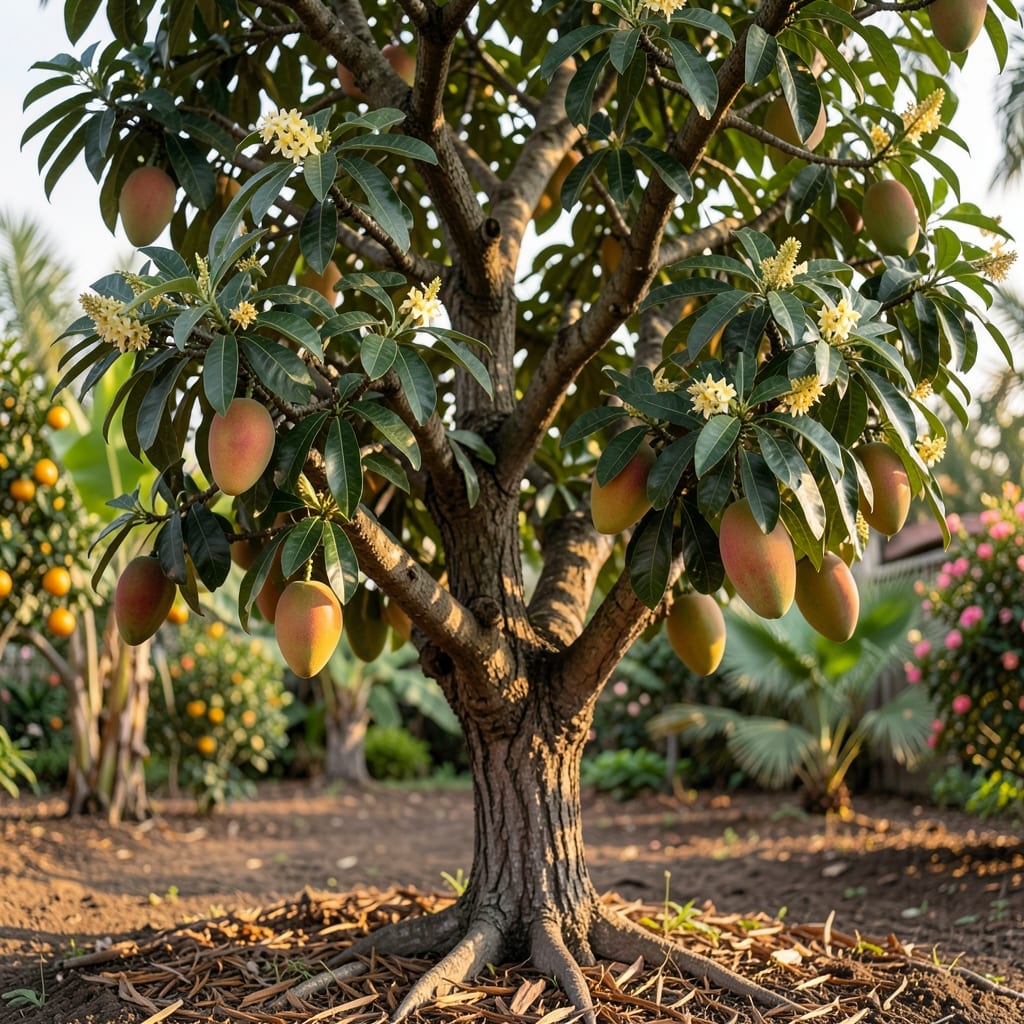
Ever wondered how tall mango trees can grow in your backyard? The answer might surprise you—some varieties of 🥭 mango trees can reach heights of up to 100 feet, while others stay compact enough for container gardening. Whether you're dreaming of a tropical oasis or just need a manageable size, the right choice makes all the difference.
But here's the catch: mango tree height isn't just about variety—it's also shaped by where you live, how you prune, and even the soil you plant in. In warmer climates like Florida or Hawaii, these trees thrive and stretch skyward, while cooler regions might need dwarf varieties to survive at all. The good news? With the right techniques, you can control their growth and still enjoy those sweet, juicy fruits without sacrificing your lawn.
If you're asking yourself, "Can I really grow a mango tree in my space?" the answer is yes—but it depends on what you're willing to do. Some gardeners swear by aggressive pruning to keep their trees at a manageable 20-30 feet, while others embrace the challenge of nurturing a full-sized tropical giant. Either way, understanding the factors at play will help you make the best choice for your garden.
Let's break down exactly how tall different mango varieties can grow, the secrets to controlling their height, and whether container gardening is even an option. By the end, you'll know exactly what to expect—and how to make it work for you.

Mango tree height by variety: from dwarf to giant sizes
When it comes to mango tree height, the possibilities range from towering tropical giants to compact varieties perfect for small yards. The average 🥭 mango tree can reach 60–100 feet in ideal conditions, but with the right dwarf varieties, you can keep yours under 20 feet. The key lies in selecting a cultivar that matches your space and climate. For example, the 'Cogshall' variety typically grows to 25–30 feet, making it a popular choice for home gardens, while the 'Haden' can soar to 60+ feet if left unchecked.
If you're in a cooler climate like USDA Zone 9 or higher, you’ll need varieties that thrive in warmth. The 'Keitt' mango, for instance, stays around 30–40 feet and is well-suited for subtropical regions. Meanwhile, tropical zones can support even taller varieties like 'Kent', which can exceed 70 feet without intervention. Understanding these differences helps you pick the perfect tree for your environment and available space.
Here’s the critical factor: soil quality and sunlight exposure can influence height by up to 30%. Mango trees planted in well-draining, nutrient-rich soil with full sun exposure will grow faster and taller than those in poor conditions. For example, a 'Julie' mango in Florida might hit 50 feet in 10 years, while the same variety in a container with limited sunlight could max out at 15 feet.
Now, let’s talk about the dwarf varieties that are game-changers for small spaces. The 'Ice Cream' mango, for example, tops out at 15–20 feet and is perfect for containers or urban gardens. Another standout is the 'Carabao', a Filipino variety that stays under 25 feet while producing abundant fruit. These options let you enjoy mangoes without the commitment of a full-sized tree.
If you’re planning for a home garden, consider the 'Sensation' variety, which averages 30–40 feet and is known for its disease resistance. For commercial farms, taller varieties like 'Tommy Atkins' (up to 80 feet) are preferred for their high yield. The right choice depends on your goals—whether it’s convenience, aesthetics, or maximum fruit production.
🌱
Choosing the right variety is just the first step. Once planted, pruning plays a massive role in controlling height and shaping your tree. For instance, if you plant a 'Haden' mango and want to keep it under 30 feet, aggressive pruning during its first 3 years can stunt its growth significantly. The same technique works for 'Kent' varieties—without pruning, they’ll dominate your landscape, but with regular maintenance, you can redirect energy toward fruit production instead of vertical growth.
Another critical factor is rootstock. Some nurseries graft mango varieties onto dwarfing rootstock, which can reduce mature height by 40–50%. For example, a 'Tommy Atkins' grafted onto a dwarfing rootstock might only reach 25–30 feet instead of its natural 70+ feet. This is a game-changer for gardeners with limited space who still want a high-yielding tree.
Let’s not forget about climate adaptations. In cooler microclimates, even dwarf varieties may grow slower and stay shorter due to reduced growing seasons. For example, a 'Carabao' mango in Zone 10 might hit 25 feet, but the same
Mango tree height by variety: from dwarf to giant sizes
Mango trees are famous for their dramatic growth, but their final height depends entirely on the variety you choose. In tropical climates, some 🥭 mango trees can tower over 100 feet, while dwarf varieties stay under 20 feet. The key is selecting the right cultivar for your space and climate—whether you have a sprawling estate or a cozy balcony.
For home gardeners, dwarf varieties like 'Cogshall' and 'Julie' are game-changers, reaching only 15-20 feet at maturity. These are perfect for small backyards or even large containers. Meanwhile, standard varieties like 'Haden' and 'Keitt' grow 30-50 feet, ideal for rural properties with ample space. If you're in a tropical region, giant varieties like 'Alphonso' can stretch up to 100 feet, creating a stunning canopy but requiring serious commitment.
Here’s a quick comparison of popular varieties and their mature heights to help you decide:
| Variety | Mature Height | Best For |
|---|---|---|
| 'Cogshall' | 15–20 ft | Small spaces, containers |
| 'Julie' | 20–25 ft | Urban gardens, patios |
| 'Haden' | 30–50 ft | Home gardens, rural yards |
| 'Keitt' | 40–60 ft | Large estates, commercial farms |
| 'Alphonso' | 60–100 ft | Tropical regions, large properties |
Climate plays a huge role in growth too. In USDA Zones 10-11, mango trees thrive year-round and grow faster, while cooler zones (like Zone 9) may need dwarf varieties or microclimate protection. Even within the same variety, pruning and soil quality can influence height—well-drained, nutrient-rich soil encourages healthier, more controlled growth.
If you’re unsure which variety to pick, start with a dwarf or semi-dwarf like 'Cogshall' or 'Julie'—they’re forgiving for beginners and still produce abundant fruit. For bold gardeners, a standard variety offers the thrill of nurturing a true tropical giant. Just remember: bigger trees mean more maintenance, but the reward of homegrown mangoes is worth it.
Once you’ve chosen your variety, the next step is learning how to manage its height—and that’s where pruning comes in. A well-pruned mango tree not only stays within your desired size but also produces more fruit and stays healthier. Stay tuned for our next section on pruning secrets to keep your mango tree under control without sacrificing productivity.