
Size
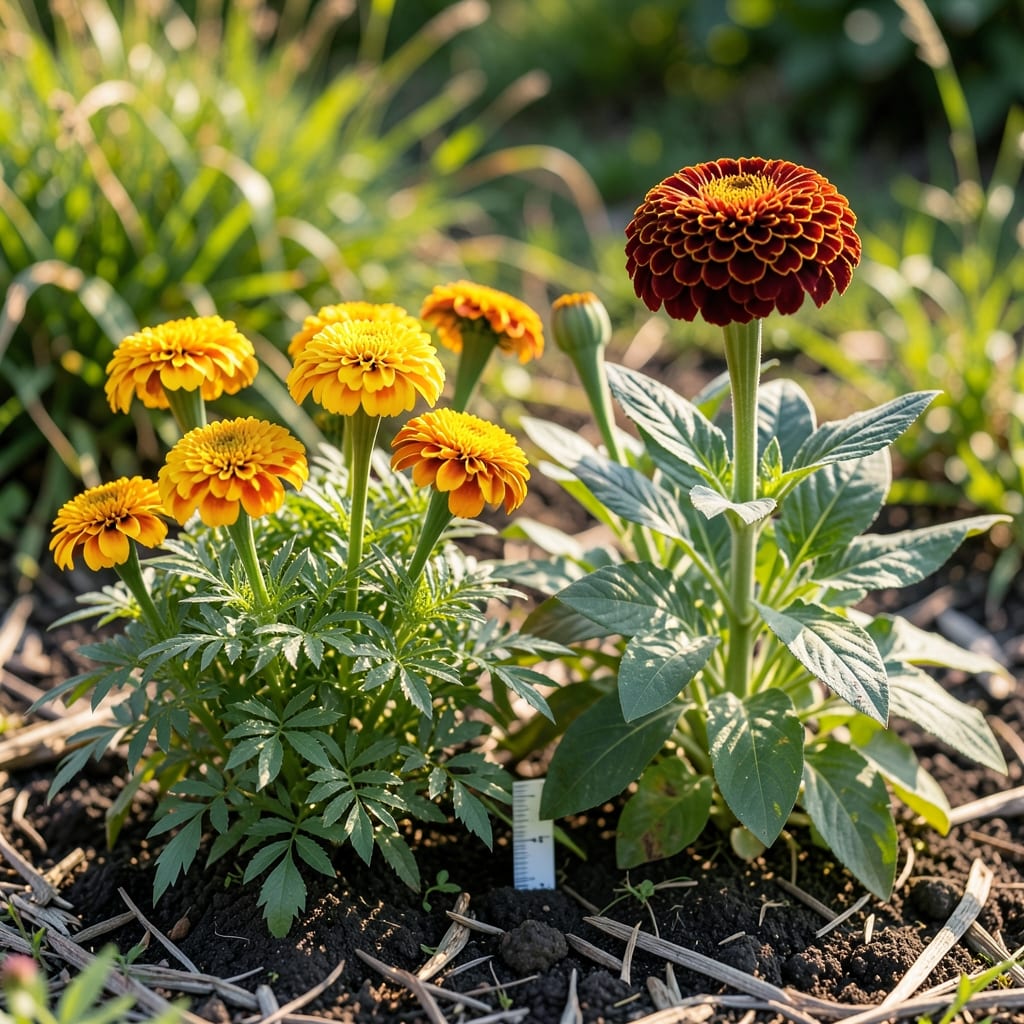
If you're planning your garden layout and wondering "how tall can marigolds grow", you're in for a pleasant surprise—these cheerful 🌼 flowers can range from compact little shrubs to towering garden stars, depending on the variety. Whether you're working with limited balcony space or a sprawling backyard, knowing their potential height helps you design a vibrant, well-balanced garden that thrives year after year.
Dwarf marigolds, like the popular 'Tangerine Gem,' typically stay between 6 to 12 inches tall, making them perfect for container gardens, window boxes, or edging flower beds. On the other end of the spectrum, varieties such as 'Jumbo' or 'African Sun' can reach 2 to 3 feet or even taller with proper care, adding dramatic height to borders, pathways, or mixed flower arrangements.
The key to encouraging the right height lies in sunlight, soil quality, and spacing. Marigolds love full sun and well-draining soil—6+ hours of sunlight daily is ideal for them to reach their full potential. Whether you're aiming for a low-growing border or a tall, eye-catching backdrop, understanding these factors will help you create a garden that’s both beautiful and functional.
Ready to plan your marigold layout? I’ll walk you through the best varieties for different spaces, tips to control or promote growth, and how to arrange them for maximum impact—so you can enjoy a garden that’s as organized as it is stunning.

Marigold height variations: from dwarf to giant varieties explained
Marigolds are one of the most versatile flowers in the garden, offering a stunning range of heights that can transform your outdoor space. The height of marigolds varies dramatically depending on the variety, with some staying as short as 6 inches while others can soar to 4 feet or taller. Understanding these differences helps you choose the perfect plants for your garden design, whether you're creating a delicate border or a bold statement piece.
For gardeners with limited space, dwarf marigolds are ideal—they thrive in containers, window boxes, or small flower beds. On the other hand, taller varieties like African marigolds can serve as natural privacy screens or dramatic backdrops for shorter plants. The key is selecting varieties that match your space and aesthetic goals while ensuring they receive the right care to reach their full potential.
Here’s a quick look at how marigold heights break down by category, along with popular varieties and their mature sizes:
One of the most popular dwarf marigold varieties is the 'Tangerine Gem', which typically stays under 12 inches tall and produces vibrant orange blooms perfect for edging pathways or filling gaps in rock gardens. These compact plants are also excellent for container gardening, making them a favorite for urban gardeners or those with limited outdoor space.
If you're aiming for a taller marigold, varieties like 'Crackerjack Yellow' or 'Bonanza Orange' (African marigolds) can reach 2 to 3 feet when given ample sunlight and well-draining soil. These varieties are perfect for creating height in mixed flower beds or as a natural barrier along garden paths. Their bold, daisy-like flowers add a pop of color and texture to any landscape.
For those who love a challenge, giant marigolds like 'Jumbo' or 'African Sun' can grow 4 feet or taller, making them ideal for large gardens or as a dramatic backdrop for shorter plants. These varieties require more space and sturdy staking to support their height, but the payoff is a stunning vertical element in your garden design.
When planning your marigold layout, always consider the mature height of each variety to avoid overcrowding. For example, placing dwarf marigolds too close to tall varieties can stunt their growth or create competition for nutrients. Instead, group plants by height and spacing needs to create a balanced, thriving garden that’s easy to maintain.
Another factor that influences marigold height is the amount of sunlight they receive. While most marigolds thrive in full sun (6+ hours daily), some dwarf varieties can tolerate partial shade, which may slightly reduce their height. If you're growing marigolds in containers, ensure the pots have adequate drainage and are placed in a sunny spot to encourage robust growth.
Finally, don’t forget that marigolds are not only beautiful but also pest-repellent. Their strong scent deters many common garden pests, making them a practical choice for vegetable gardens or mixed borders. By selecting the right height and variety, you can create a garden that’s both visually stunning and functionally beneficial.
Marigold height variations: from dwarf to giant varieties explained
Marigolds offer a stunning range of heights, from compact dwarf varieties perfect for small spaces to tall giants that make dramatic garden statements. Understanding these differences helps you choose the right type for your layout—whether you're filling window boxes or creating towering borders. The height of marigolds is primarily determined by their genetic variety, but sunlight, soil quality, and spacing also play key roles in their final size.
Most marigolds fall into three main height categories: dwarf (6–12 inches), medium (12–24 inches), and tall (24–48+ inches). For example, the 'Tangerine Gem' stays under 12 inches, making it ideal for containers, while 'African Sun' varieties can soar to 3 feet or taller. Knowing these ranges ensures your garden has the perfect balance of color and structure.
| Variety Type | Height Range | Ideal Spacing | Best For |
|---|---|---|---|
| Dwarf (French/Signet) | 6–12 inches | 6–8 inches apart | Containers, borders, edging |
| Medium (Standard) | 12–24 inches | 10–12 inches apart | Mixed beds, pathways, mid-height borders |
| Tall (African/Giant) | 24–48+ inches | 14–18 inches apart | Backdrops, tall borders, cut flowers |
French marigolds, like 'Bonanza Orange', typically stay under 18 inches, while African marigolds, such as 'Jumbo Gold', can reach 3 feet or taller with proper care. If you're growing marigolds for cut flowers, taller varieties provide longer stems and more dramatic arrangements. For small-space gardens, dwarf varieties are your best bet—they thrive in pots and window boxes while still delivering vibrant blooms.
One common misconception is that all marigolds grow tall. In reality, overcrowding or poor sunlight can stunt their growth, while rich soil and full sun encourage them to reach their full potential. For example, a 'Tangerine Gem' marigold left in partial shade might only grow to 8 inches, while one planted in full sun with well-draining soil could hit 12 inches. Always check the specific variety’s care requirements to avoid surprises.
If you're designing a layered garden, combine different marigold heights for visual interest. Place dwarf varieties in the front, medium heights in the middle, and tall varieties at the back. This creates depth and ensures every plant gets the sunlight and airflow it needs. For instance, pairing 'Tangerine Gem' (dwarf) with 'Crackerjack Yellow' (medium) and 'African Queen' (tall) in a single bed adds dimension while keeping maintenance manageable.
For container gardening, stick to dwarf or semi-dwarf varieties in 5–7 gallon pots to prevent overcrowding. Larger pots can accommodate medium-height varieties, but ensure they have drainage holes to avoid root rot. Always match the pot size to the plant’s mature height—a 3-foot-tall marigold in a 5-gallon pot will struggle to thrive, while a dwarf variety in a 1-gallon container will be perfect.