
How To
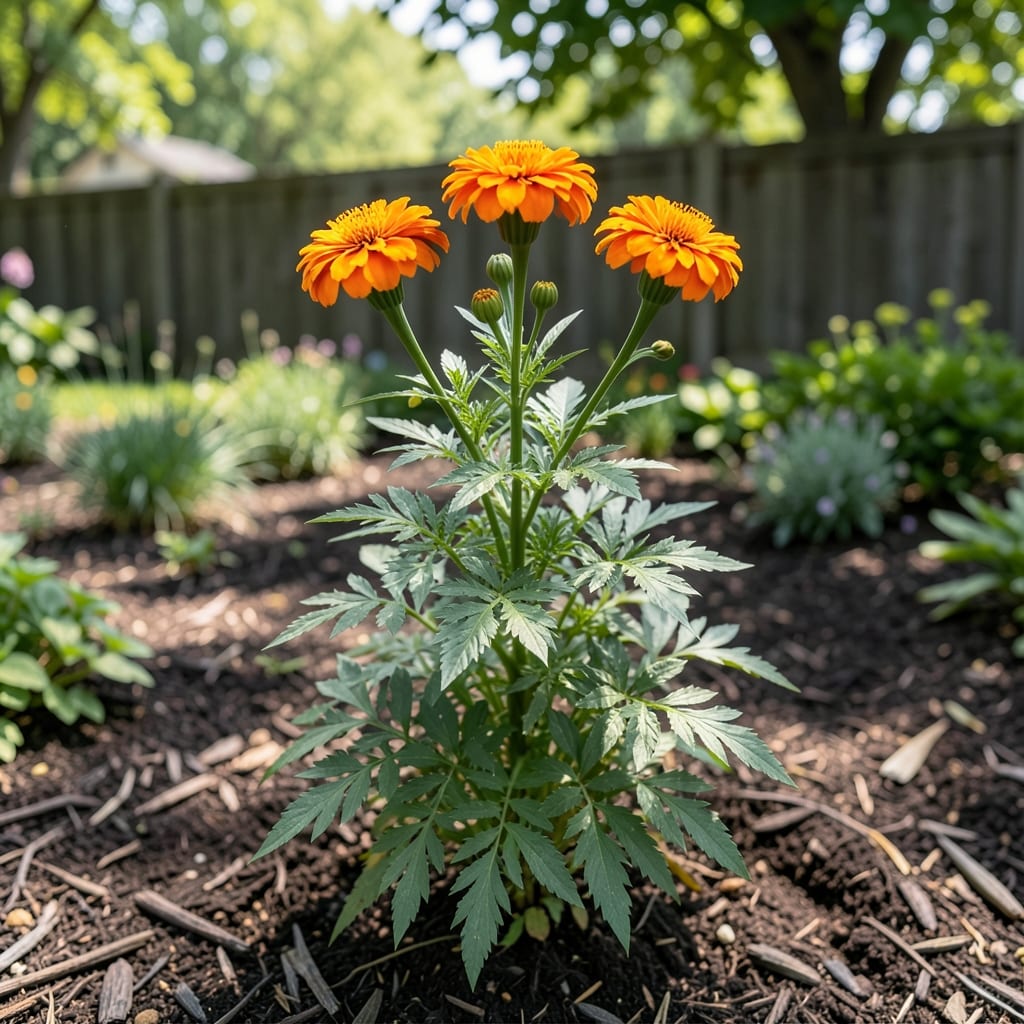
If you’ve ever wondered how tall African marigolds grow—or why some seem to stretch toward the sky while others stay compact—you’re not alone. These vibrant 🌼 blooms can surprise you with their height, especially when given the right care, and knowing their potential helps you plan your garden like a pro.
The truth is, African marigolds can reach anywhere from 1 to 4 feet tall, depending on the variety and growing conditions. Dwarf types stay closer to the ground, while standard varieties can tower over your garden beds, making them perfect for borders or cut flower arrangements.
But here’s the key: sunlight, soil, and spacing play huge roles in determining their height. Too little light or poor drainage can stunt their growth, while the right conditions encourage those dramatic, eye-catching blooms you love.
In this guide, I’ll break down the exact height ranges by variety and share simple care tips to help your African marigolds thrive—so you can enjoy their full, stunning potential all season long.


African marigold height guide: exact growth ranges by variety
African marigolds (Tagetes erecta) come in a stunning array of colors and sizes, but their height can vary dramatically based on the variety you choose. If you're planning your garden layout, knowing these exact height ranges will help you space plants properly and create the perfect visual impact.
From compact dwarf varieties that stay under a foot tall to tall standard types reaching nearly four feet, there’s an African marigold for every garden style. Below, I’ve broken down the most popular varieties and their mature heights to help you pick the perfect fit for your space.
| Variety | Height Range | Best For | Notes |
|---|---|---|---|
| Tangerine Dream | 3–4 ft | Cut flowers, borders | Tallest variety; needs staking |
| African Sunset | 2–3 ft | Mixed borders, containers | Bushy growth; great for pollinators |
| Jamaica Primrose | 2–3 ft | Cut flowers, bouquets | Long-lasting blooms; heat-tolerant |
| Dwarf varieties (e.g., 'Petite Series') | 8–12 in | Rock gardens, edging | Compact; ideal for small spaces |
| Fireball Series | 1–2 ft | Containers, window boxes | Semi-dwarf; prolific bloomer |
If you're growing African marigolds for cut flowers, taller varieties like 'Tangerine Dream' or 'Jamaica Primrose' are ideal—their long stems make stunning bouquets. For container gardening or small spaces, the dwarf varieties (8–12 inches) are perfect and won’t overwhelm your setup.
Pro tip: Spacing matters! Plant taller varieties at least 12–18 inches apart to give them room to grow without crowding. Dwarf types can be spaced closer, around 6–8 inches apart, for a fuller look.
Now that you know the height ranges, the next step is ensuring your African marigolds reach their full potential. Factors like sunlight exposure, soil quality, and pruning habits play a huge role in their growth. Stay tuned for my next section, where I’ll dive into how to maximize their height—or keep them compact—based on your garden goals.
🌼
Factors that control African marigold height: sunlight, soil, and pruning
African marigolds thrive when given the right growing conditions, and sunlight exposure is the #1 factor controlling their height. These plants love full sun (6+ hours daily), which encourages taller, more robust stems. Without enough light, they’ll stay short and leggy, with fewer blooms.
For maximum height, place them in a spot where they get direct sunlight all morning and at least part of the afternoon. If you’re growing them in containers, a south-facing window or patio works best. Even partial shade can reduce height by 20-30%, so prioritize sunny locations.
Full sun (6+ hours/day) = taller, bushier plants. Partial shade = shorter, leggy growth.
Well-draining, nutrient-rich soil promotes taller growth. Amend clay soil with compost or sand to prevent root rot.
Pinch back tips of young plants to encourage bushier growth. Deadhead spent blooms to redirect energy upward.
Soil nutrients also play a big role. African marigolds prefer well-draining, slightly acidic soil (pH 6.0-7.0). If your soil is heavy or compacted, mix in organic matter like compost or aged manure to improve drainage and fertility. Poor soil can stunt growth by up to 50%, so don’t skip this step!
Finally, pruning techniques can influence height. If you want taller stems (great for cut flowers), avoid heavy pruning. But if you prefer a bushier, compact plant, pinch back the tips when they’re about 6 inches tall. This encourages lateral branching, which can actually reduce overall height but increases flower production.
Deadheading—removing spent blooms—also helps. It redirects the plant’s energy from seed production to growing taller and producing more flowers. Just snip off the faded blooms just above a set of leaves, and watch your marigolds reach their full height potential!