
How To
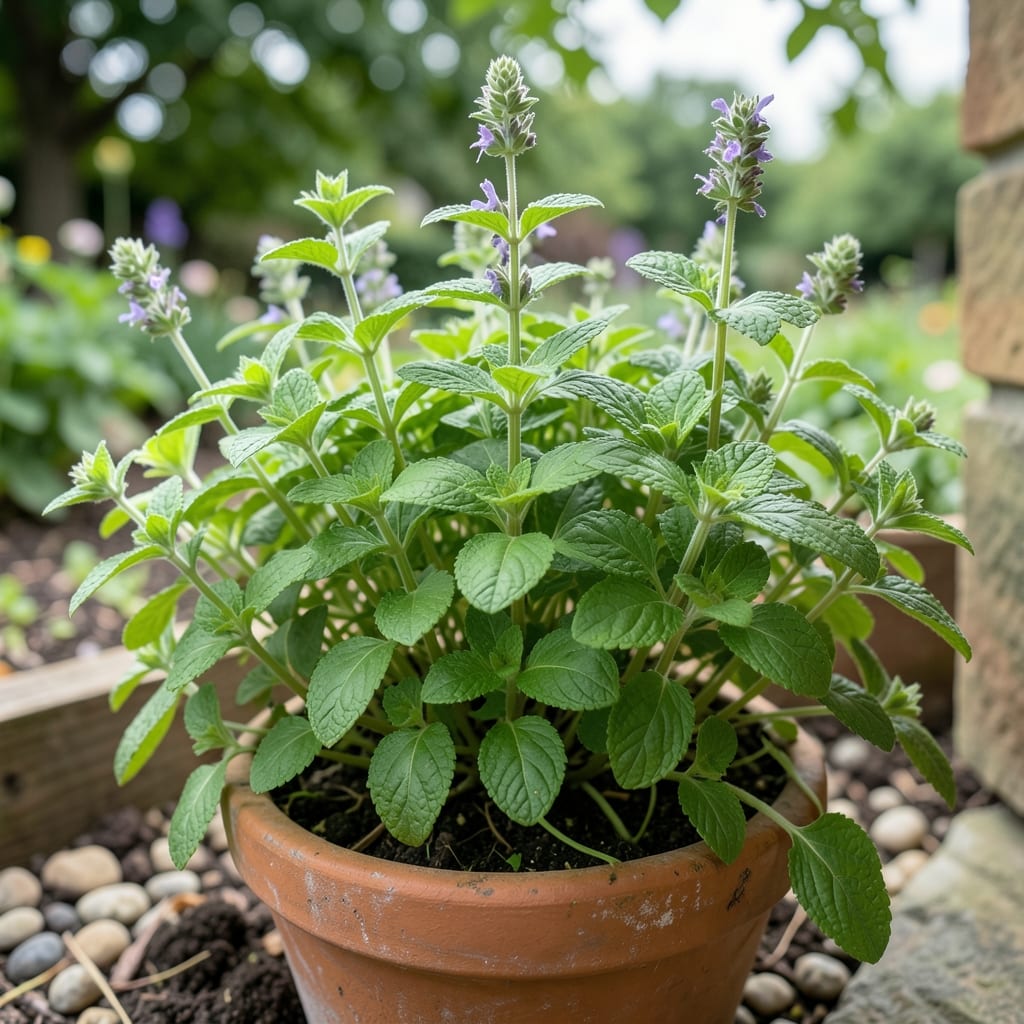
If you’ve ever let mint grow wild in your garden, you’ve probably wondered how tall it can really get—because that 🌿 mint you planted last spring might now be reaching for the sky! While most varieties cap out around 2-3 feet, some aggressive growers can stretch taller, especially when left unchecked.
But here’s the catch: your mint’s height depends on more than just genetics. Factors like pruning habits, sunlight exposure, and even the container you’re growing it in can dramatically change its growth trajectory. I’ll break down exactly what influences mint’s height and how you can control it—whether you want a compact bush or a lush, sprawling plant.
You’ll also discover why mint sometimes acts like a garden bully, spreading faster than you’d expect. We’ll cover practical tips to keep it in line without sacrificing those fragrant leaves you love. Ready to master your mint’s growth? Let’s dive in.
From spearmint to peppermint, each variety has its own growth quirks. By the end, you’ll know exactly how to encourage (or rein in) your mint’s sky-high ambitions—so you can enjoy fresh herbs without the chaos.


Mint growth height by variety: from compact to towering giants
Mint’s height can vary dramatically depending on the variety you’re growing. While most gardeners expect their mint to reach 2-3 feet, some varieties can grow taller—especially when given ideal conditions. Understanding these differences helps you choose the right type for your space and growth goals.
The most common mint varieties, like spearmint and peppermint, typically stay between 1-3 feet tall. However, varieties like apple mint or pineapple mint can occasionally surpass this range, especially in loose, well-draining soil. Even dwarf varieties rarely dip below 12 inches, so don’t expect a true "mini" mint.
Here’s the key takeaway: Genetics set the baseline, but environmental factors—like sunlight, water, and pruning—can push your mint to its upper limits. For example, peppermint often grows taller than spearmint because it’s more aggressive. Meanwhile, chocolate mint tends to stay compact unless overcrowded.
If you’re growing mint in containers, expect slightly shorter plants—usually 1-2 feet—because root growth is restricted. But if you’ve ever seen mint spill over garden edges or into neighboring plants, you’ve witnessed its natural tendency to spread wider than it grows tall.
| Variety | Typical Height | Growth Habit | Notes |
|---|---|---|---|
| Spearmint | 18-36 inches | Upright | Most common; great for fresh leaves. |
| Peppermint | 24-48 inches | Tall, aggressive | Can reach 4 feet if unpruned. |
| Apple Mint | 20-36 inches | Bushy | Aromatic; spreads easily. |
| Chocolate Mint | 12-24 inches | Compact | Slower spreader; great for containers. |
| Pineapple Mint | 18-36 inches | Sprawling | Fragrant; needs pruning to control. |
If you’re growing mint for culinary or medicinal uses, height isn’t the only factor—leaf density matters too. Spearmint and peppermint produce the most leaves per square foot, while varieties like pineapple mint prioritize fragrance over yield. For example, peppermint’s taller stature means it can produce more leaves in a single season, but it also requires more space.
One misconception is that all mint grows as a tall, leggy plant. In reality, most varieties grow in a bushy, rounded shape unless they’re overcrowded or deprived of sunlight. If your mint is stretching upward with sparse leaves, it’s likely reaching for light—a clear sign it needs pruning or a sunnier spot.
For container gardening, choose dwarf varieties or prune regularly to keep plants under 2 feet. Even in pots, mint can grow taller if it’s not harvested frequently. The key is to balance height with horizontal spread, as mint’s roots can spread 2-3 feet wider than the plant’s height.
Pro tip: If you’re growing mint near walkways or borders, opt for chocolate mint or spearmint, which stay shorter and spread less aggressively. For large gardens, peppermint or apple mint might be better—but be prepared for their towering growth!
Remember, mint’s height is just one part of its growth story. The real challenge is managing its spread, which can turn a small patch into a garden takeover. We’ll cover that in the next section—so stay tuned for tips to keep your mint in check without sacrificing those lush, fragrant leaves.
How to control mint’s height: pruning, harvesting, and container limits
Controlling mint’s height starts with understanding its natural growth habits. Mint grows fastest in warm weather and can shoot up 1-2 feet per season if left unchecked. The key to managing its height is regular pruning—not just for aesthetics, but to encourage bushier, more productive growth.
I’ve found that pruning mint every 4-6 weeks keeps it compact while maximizing leaf production. Simply snip back the top third of stems just above a leaf node (where new leaves emerge). This trick forces the plant to branch out instead of growing tall and leggy.
Another game-changer? Harvesting leaves frequently. When you pinch off leaves for cooking or tea, you’re essentially giving your mint a reason to keep growing sideways. Just avoid cutting into the woody stems—this can stress the plant and lead to slower recovery.
Step-by-Step Mint Height Control
- 🌱 Prune early: Start trimming when mint reaches 6-8 inches tall to shape growth.
- ✂️ Use clean shears: Cut at a 45-degree angle above a leaf node to prevent disease.
- 🌿 Harvest leaves: Pick outer leaves first to avoid damaging the plant’s center.
- 📏 Measure container depth: For potted mint, use containers at least 12 inches deep to limit root spread.
- ☀️ Monitor sunlight: Too much sun can cause leggy growth—aim for 4-6 hours daily.
Containers are a lifesaver for controlling mint’s height. A deep, narrow pot (like a 12-inch diameter container) restricts root spread, keeping the plant shorter and more manageable. I’ve seen mint in hanging baskets stay under 18 inches tall when pruned regularly—perfect for patios or small gardens.
Seasonal changes also affect mint’s height. In spring and summer, growth is most aggressive, while fall and winter slow things down. Reduce watering in cooler months to encourage dormancy and prevent sudden height spikes when temperatures rise again.
Pro tip: If your mint starts looking too tall or woody, don’t panic! Trim it back hard in early spring—it’ll bounce back with fresh, vibrant growth. Just remember, the more you prune, the bushier and more productive your mint will be.