
Trees
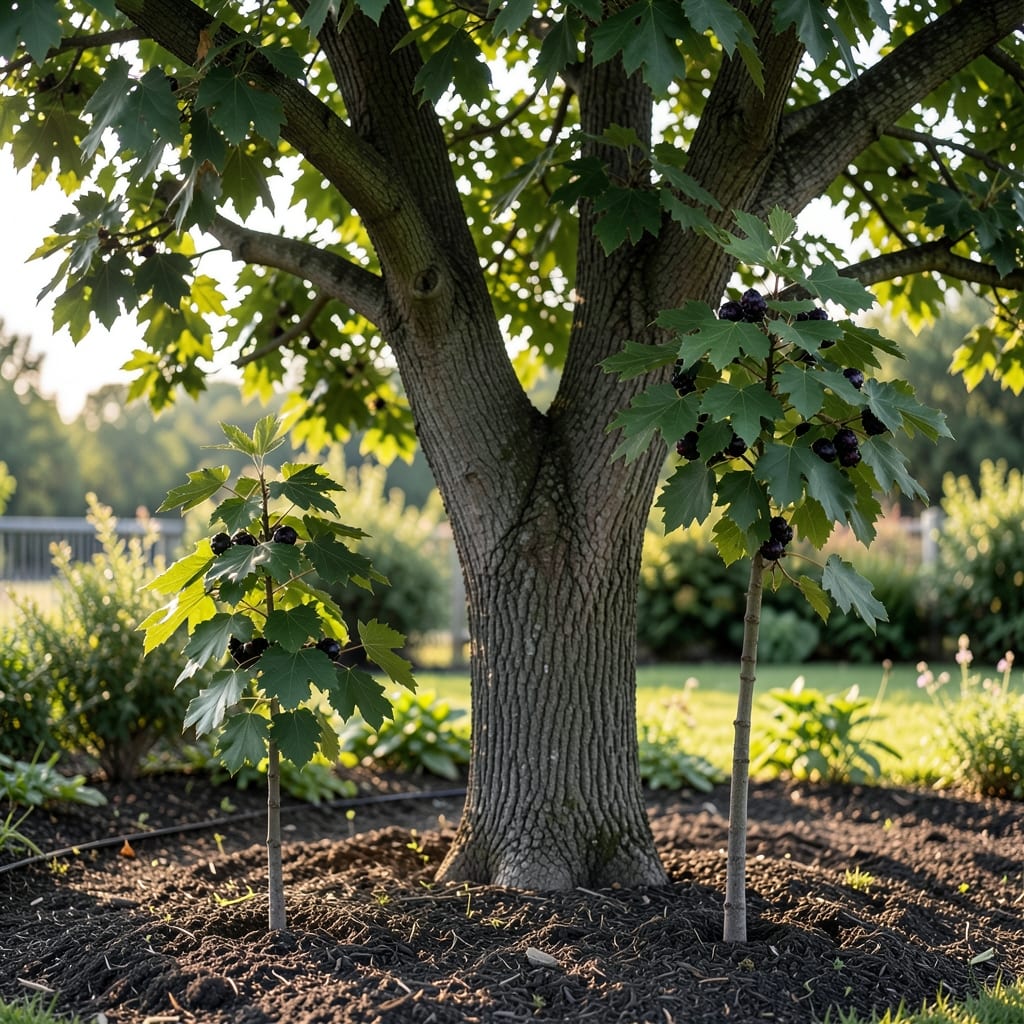
If you're wondering "how tall can mulberry trees grow", get ready for a surprise—these fast-growing giants can reach up to 60 feet in ideal conditions! 🌳 Whether you're planning a privacy screen or a shade tree, their height potential is one of their most impressive traits. But not all mulberries grow equally tall, and their final size depends on factors like species, pruning habits, and even your local climate.
The fastest-growing varieties, like the white mulberry, can shoot up 10 feet per year in their youth, making them a dream for quick shade solutions. Red mulberries tend to stay slightly shorter, typically maxing out around 30-40 feet without intervention. If you're in USDA Zone 6a, where spring planting is ideal, you'll want to consider these growth patterns before choosing your spot.
Here's the good news: if a 60-foot tree sounds intimidating, you're not stuck with it. With strategic pruning—especially during the April-May planting window—you can easily manage their height while still enjoying their lush canopy and delicious berries. We'll cover the best techniques to keep your mulberry tree at your desired size, whether you want a towering giant or a more compact specimen.
Ready to harness this growth power? Let's dive into which varieties hit 40 feet fastest, how to control their height, and why some gardeners swear by mulberries for their fast and impressive growth. Your backyard shade solution is just a few seasons away!


Mulberry tree height by variety: which grows tallest naturally?
When it comes to mulberry tree height, you’ll find dramatic differences between varieties—some reach 60 feet while others stay compact. The white mulberry (Morus alba) is the tallest natural grower, often hitting 40-60 feet without pruning, while the red mulberry (Morus rubra) typically maxes out around 30-40 feet. These differences matter if you're balancing shade needs with yard space!
The black mulberry (Morus nigra) falls somewhere in between, usually growing 30-50 feet tall. What’s fascinating is how quickly they grow—some white mulberries add 10 feet per year in their youth! This rapid growth is why they’re prized for fast shade solutions or privacy screens in rural areas.
Here’s the catch: climate plays a huge role. In USDA Zone 6a, where spring planting is ideal, mulberries thrive with 6+ hours of sun and well-draining soil. In warmer zones (like 7b-9a), they may grow even taller due to longer growing seasons. But in cooler regions, their height can be slightly stunted.
If you’re in a small urban yard, the height variations become critical. A 60-foot white mulberry might overwhelm your space, while a red mulberry could be a better fit. Below, we’ll break down the exact heights by variety so you can pick the right tree for your goals.
Now that you know the natural height ranges, let’s talk about how to control mulberry tree growth if a towering giant isn’t what you’re after. Even the fastest-growing white mulberry can be pruned to stay under 20 feet—we’ll cover the best techniques in the next section. For now, focus on choosing a variety that aligns with your space and goals.
For example, if you’re planting in April-May (the ideal window in USDA Zone 6a), a red mulberry might be your best bet for a manageable size. But if you’re in a warmer zone and want quick shade, the white mulberry’s rapid growth could be a game-changer. Just be prepared for its aggressive height!
One more tip: soil quality accelerates growth. Mulberries thrive in well-draining soil with a pH of 6.0-7.0. Amending your soil with compost before planting can give your tree a growth boost in its first few years. This is especially important if you’re aiming for a 40-foot tree quickly.
Ready to pick your perfect mulberry? Let’s move on to how to manage their height—whether you want a towering giant or a compact specimen. The key is knowing when and how to prune, and we’ve got all the details in the next section!
Fastest-growing mulberry trees: when and how they reach 40 feet
If you're impatient for shade, mulberry trees deliver—some varieties like Morus alba (white mulberry) can reach 40 feet in just 5-7 years with ideal conditions. Their rapid growth makes them perfect for quick privacy screens or windbreaks, but timing matters. The first year is critical, where saplings can grow 2-4 feet if planted in well-draining soil with full sun exposure.
The real growth explosion happens in years 2-5, when these trees add 10-15 feet annually under optimal care. Urban areas might see slightly slower growth due to compacted soil or limited space, while rural settings with rich loam can push them toward their 60-foot potential. For fastest results, focus on soil quality and consistent moisture during their first two years.
- 🌱 Year 1: 2-4 ft (focus on root establishment)
- 🌿 Year 2-3: 8-12 ft (rapid vertical growth begins)
- 🌳 Year 4-5: 20-30 ft (canopy expansion accelerates)
- 🏢 Year 6+: 40-60 ft (mature height reached)
The secret to their 40-foot sprint lies in their deep taproot system, which accesses nutrients and water efficiently. In spring planting (April-May), young trees allocate energy to both roots and shoots, setting the stage for their rapid ascent. For maximum height, prioritize deep watering (5-10 gallons per tree) during drought months and avoid over-pruning in their early years.
Climate plays a surprising role too. Trees in southern climates with longer growing seasons may hit 40 feet by year 5, while those in northern zones might take 7-10 years. The Illinois Everbearing variety is a standout for speed, often topping 30 feet by year 4 when grown in rich, loamy soil. If you're in a hurry, this variety combined with balanced fertilization (10-10-10 NPK) can push growth to its limits.
For urban gardeners with limited space, timing your planting to late April (after last frost) gives young trees the full growing season to establish before winter. Pair this with mulching around the base to retain moisture, and you'll see those 10-foot annual gains become a reality. Just remember: the faster they grow, the sooner you'll need to think about pruning for shape—but that's a story for our next section!
Ready to watch your mulberry tree shoot toward the sky? With these growth strategies, you'll have that 40-foot shade giant in no time—just don't blame us if you start measuring your ceilings! 🌳