
How To
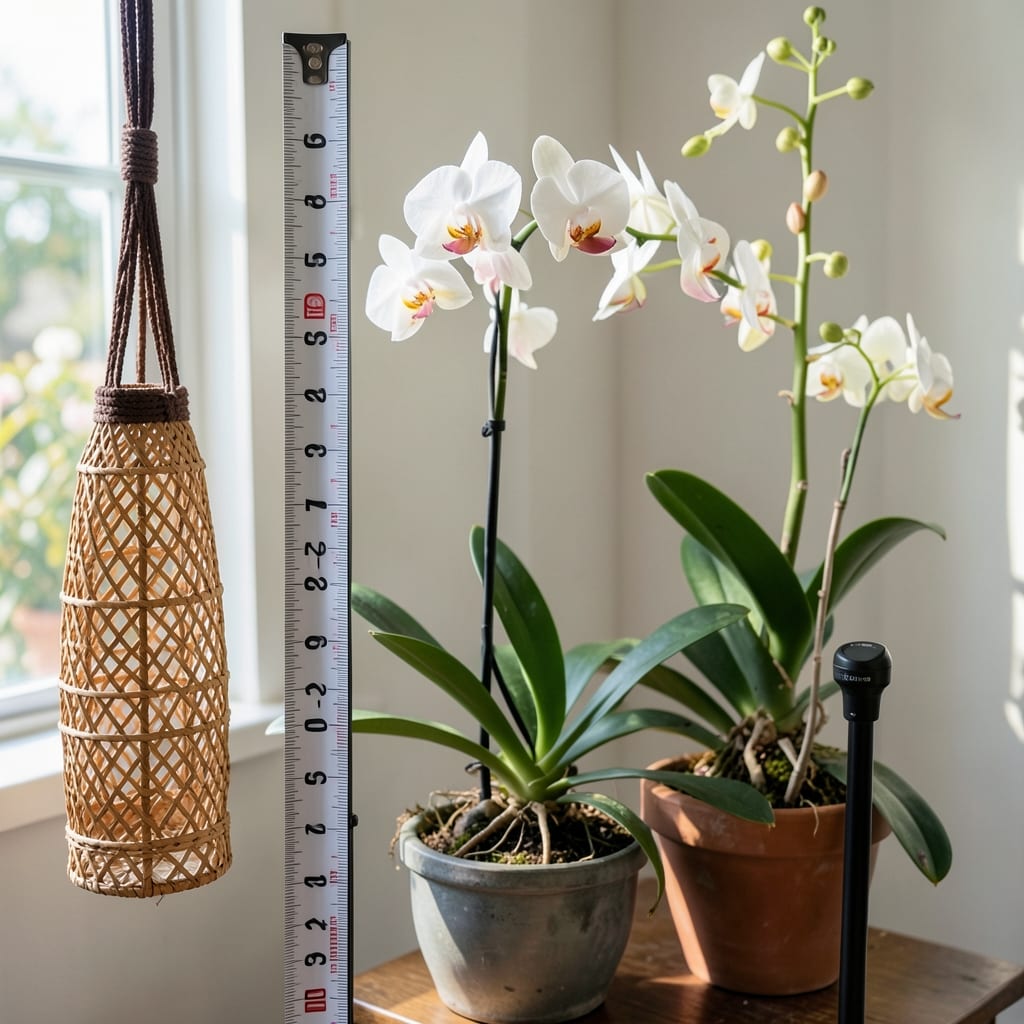
If you’ve ever wondered how tall can orchids grow, you’re in for a surprise—because these elegant 🌸 beauties can stretch from tiny tabletop treasures to towering giants that dwarf even the tallest houseplants. Some orchid varieties, like the majestic Vanda, can reach heights of 6 feet or more with the right care, while others stay compact and charming. The key to unlocking their full potential lies in understanding their species, growing conditions, and a few clever pruning tricks.
Whether you’re dreaming of a lush vertical garden or just want to keep your orchids from becoming leggy monsters, knowing how to guide their growth is game-changer. From miniature jewels like the Phalaenopsis to the bold, tree-like Cattleya, each variety has its own height story—and we’re about to break it all down. Ready to discover how to nurture your orchids to their fullest height (or trim them back to perfection)? Let’s dive in.
The secret to controlling orchid height isn’t just about patience—it’s about strategy. With the right support systems, like stakes or trellises, you can encourage upward growth without sacrificing blooms. And if your orchids are getting a little too ambitious, pruning at the right time can redirect their energy where you want it most. We’ll cover everything from species-specific growth habits to the best tools for keeping your 🌸 plants thriving, no matter how tall (or short) you’d like them to be.
From the cozy corners of your living room to the brightest spots in your garden, orchids can adapt—and with a few insider tips, you’ll have them reaching for the sky (or staying just the right size). Let’s turn your orchid care into a masterpiece, one height at a time.


Orchid height by variety: from tiny jewels to towering giants
Orchids are famous for their breathtaking blooms, but their height potential is equally impressive. Some varieties stay compact enough for windowsills, while others become stunning vertical statements in your home or greenhouse. The Phalaenopsis, or moth orchid, typically tops out at 2-3 feet, making it perfect for desk displays, but don’t let its modest size fool you—it’s one of the most popular orchids for beginners.
On the other end of the spectrum, the Vanda orchid can soar to 6 feet or taller with proper care, earning it the nickname "tree orchid." These dramatic plants thrive in hanging baskets or mounted displays, where their long, arching stems can truly shine. Even more surprising? The Cattleya, another showstopper, often reaches 3-5 feet and produces fragrant blooms that last for weeks.
🌸
| Variety | Mature Height | Growth Habit | Ideal Light |
|---|---|---|---|
| Phalaenopsis | 2-3 ft | Upright, trailing | Bright indirect |
| Dendrobium | 1-4 ft | Climbing, upright | Bright to full sun |
| Cattleya | 3-5 ft | Upright, sturdy | Medium to bright light |
| Vanda | 4-6+ ft | Climbing, arching | Full sun to bright light |
| Oncidium | 1-2 ft | Compact, bushy | Bright indirect |
| Paphiopedilum | 1-2 ft | Upright, rosette | Low to medium light |
| Masdevallia | 6-12 in | Miniature, upright | Low light |
The Dendrobium orchid is another versatile giant, with some varieties stretching up to 4 feet while others stay closer to 1 foot. Their height depends heavily on their specific cultivar—some even produce stunning spikes of blooms that can add another foot or two to their vertical presence. For smaller spaces, the Oncidium and Paphiopedilum (lady slipper orchids) are excellent choices, typically maxing out at just 1-2 feet tall.
If you’re aiming for a miniature orchid collection, look no further than the Masdevallia or Bulbophyllum, which often stay under 1 foot tall. These tiny wonders are perfect for terrariums or as accent plants on shelves. However, their petite size doesn’t mean they’re low-maintenance—many miniature orchids require high humidity and specific light conditions to thrive.
For those who love a challenge, the Grammatophyllum, or "Queen of Orchids," can reach an astonishing 10 feet or more in ideal conditions. This tropical giant is rare in home collections but makes a statement in greenhouses or conservatories. Even more accessible is the Cymbidium, which often grows 3-5 feet tall and produces fragrant blooms in winter—perfect for adding height and seasonal interest.
🌿
Understanding your orchid’s natural growth habit is key to maximizing its height. Climbing varieties like Vanda and Dendrobium need support to reach their full potential, while upright growers like Cattleya benefit from sturdy stakes or trellises. Trailing orchids, such as some Phalaenopsis cultivars, can also be trained to grow taller by redirecting their energy upward with gentle pruning techniques.
Light plays a crucial role in height development too. Orchids like Vanda, which thrive in full sun, will
Pruning secrets to control orchid height & encourage vertical growth
Pruning isn’t just about tidying up—it’s the secret weapon for controlling orchid height and redirecting growth where you want it. Whether your 🌸 plants are stretching too tall or becoming leggy, strategic pruning can transform their shape while keeping them healthy. The key is timing: prune at the right stage to encourage vertical growth or limit sprawl, depending on your goals.
For Phalaenopsis orchids, which often grow 2-3 feet tall naturally, pruning spent spikes just above a node (the bump where leaves emerge) triggers new shoots upward. This technique keeps them compact while promoting bloom production. Meanwhile, Cattleya orchids, which can reach 4-6 feet, benefit from pruning after flowering to redirect energy into stronger, taller stems.
Timing matters most—prune after blooming for most varieties, but never cut back healthy growth in winter when orchids enter dormancy. Vanda orchids, the towering giants of the orchid world, need a different approach: prune only to remove dead or yellowing leaves, as their aerial roots help them climb naturally. The goal is to guide growth, not stunt it.
⚠️ WARNING: Avoid over-pruning! Cutting too aggressively can stress your orchid and reduce flowering. Always use sterilized scissors or pruners to prevent disease, and never prune more than 1/3 of the plant at once. For trailing orchids like Masdevallia, which stay under 1 foot tall, minimal pruning is best—just trim dead foliage to keep them tidy.
To encourage vertical growth, focus on pruning side shoots (keikis) that form on mature spikes. These can be detached and repotted to grow into new plants, while the main stem continues upward. For climbing orchids like Dendrobium, which can exceed 5 feet, prune only to remove spent canes, allowing the plant to focus energy on new, taller growth.
Pro tip: If your orchid is too leggy, move it to a brighter spot (but avoid direct sun) and prune just above a leaf node. This forces the plant to grow taller and bushier rather than stretching. For bushier growth, prune the topmost leaves to encourage lateral shoots, creating a fuller, more compact plant.
Remember, every orchid variety responds differently. Experiment with pruning techniques while observing your plant’s growth habits. With patience and precision, you’ll master the art of shaping your orchids—whether you want them reaching for the ceiling or staying as a compact tabletop centerpiece. 🌿