
How To
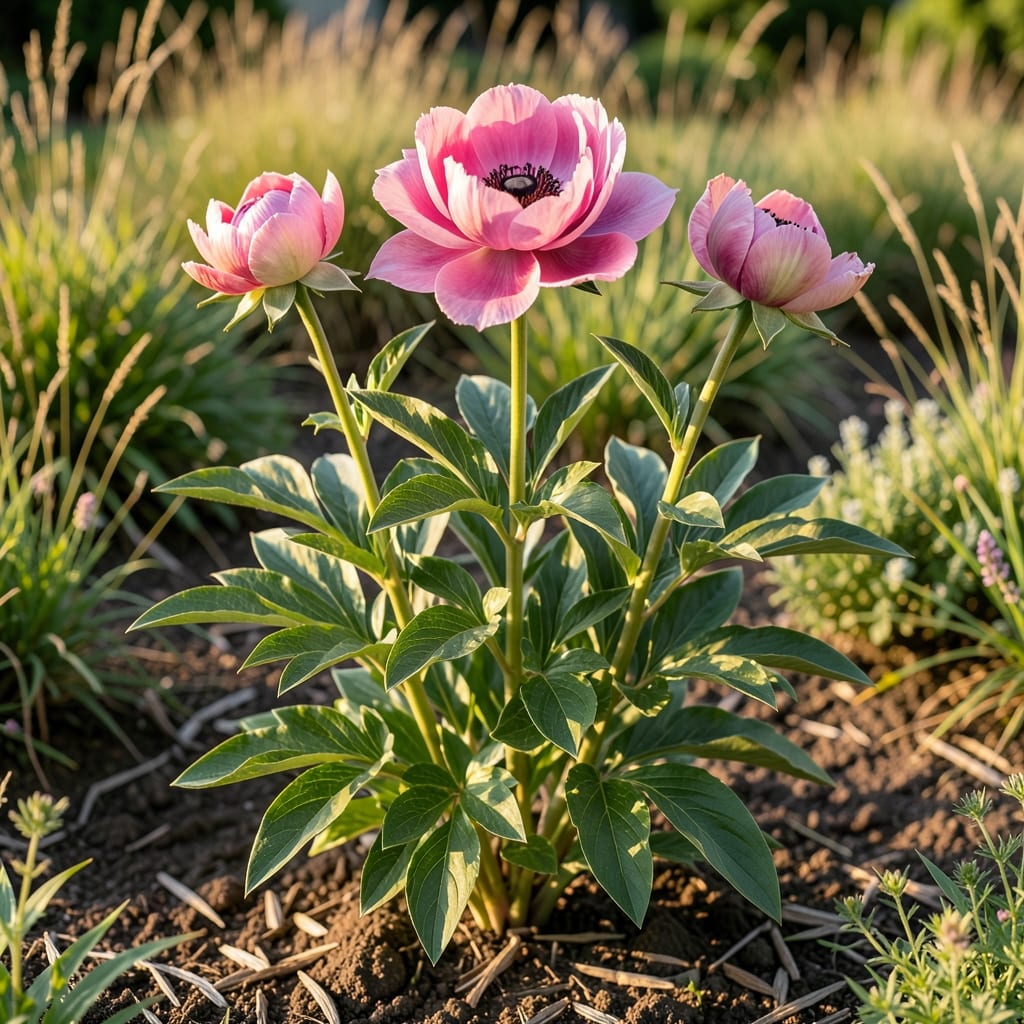
If you’ve ever wondered how tall can peonies grow, you’re in for a surprise—these stunning 🌸 blooms can stretch from delicate 18-inch shrubs to towering 5-foot giants, depending on the type and care they receive.
Herbaceous peonies, the most common variety, typically reach 2 to 4 feet at maturity, while tree peonies can soar even higher, sometimes exceeding 6 feet with proper support. The key to unlocking their full potential lies in understanding their needs—like sunlight, soil, and pruning techniques—that encourage robust growth.
In this guide, I’ll break down the exact height ranges for different peony types, share pro tips to maximize their stature, and reveal common mistakes that keep them stunted. Whether you’re dreaming of a dramatic garden focal point or just want lush, healthy blooms, you’ll find everything you need to help your peonies reach their full height potential.
Let’s dive into the secrets of growing peonies that don’t just survive but thrive—and stand tall for years to come.

Peony height by variety: exact growth ranges for gardeners
Peonies aren’t one-size-fits-all when it comes to height—some varieties stay compact while others grow like small trees. The most common herbaceous peonies typically reach 2 to 4 feet at maturity, but with the right care, they can occasionally exceed 5 feet. Meanwhile, tree peonies often dwarf their herbaceous cousins, soaring up to 5 to 7 feet with sturdy woody stems.
Don’t overlook intersectional peonies, a hybrid group that blends the best traits of both types. These can range from 2 to 5 feet, making them versatile for borders, containers, or even as dramatic focal points in garden beds. The variety you choose will directly impact not just height but also bloom size, fragrance, and even your pruning needs.
Here’s the key takeaway: herbaceous peonies are the workhorses of most gardens, while tree peonies offer the wow factor for taller spaces. If you’re short on vertical space, dwarf varieties like 'Bowl of Beauty' (18–24 inches) or 'Sarah Bernhardt' (2–3 feet) are perfect. For grand displays, 'Lavender Lace' (tree peony, 5–7 feet) or 'Kansas' (herbaceous, 3–4 feet) will steal the show.
🌸
| Peony Type | Average Height Range | Best For | Growth Habit |
|---|---|---|---|
| Herbaceous Peonies | 2–4 feet | Borders, cottage gardens, cut flowers | Die back in winter; regrow each spring |
| Tree Peonies | 5–7 feet | Specimen plants, tall hedges, dramatic accents | Woody stems; evergreen in mild climates |
| Intersectional Peonies | 2–5 feet | Hybrid versatility; containers or garden beds | Combine traits of both types |
| Dwarf Varieties | 18–24 inches | Rock gardens, window boxes, small spaces | Compact growth; minimal pruning needed |
| Standard Herbaceous | 3–4 feet | Cut flower arrangements, mixed borders | Requires staking for taller varieties |
If you’re planning your garden layout, spacing is critical. Herbaceous peonies need 3 to 4 feet of space between plants to avoid overcrowding, while tree peonies can spread 4 to 6 feet wide. This isn’t just about aesthetics—proper spacing ensures better airflow, reducing the risk of fungal diseases like botrytis, which can stunt growth.
Another pro tip: soil quality plays a huge role in height. Peonies thrive in well-draining, slightly alkaline soil (pH 6.5–7.5) with plenty of organic matter. Amend heavy clay soil with compost or sand to encourage deeper root growth, which supports taller stems. I’ve seen herbaceous peonies in nutrient-rich soil reach 4 to 5 feet—a full foot taller than their counterparts in poor soil!
For those with limited space, container gardening is a great option. Dwarf varieties like 'Coral Charm' (2 feet) or 'Miss America' (2.5 feet) thrive in 12-inch pots with proper drainage. Just ensure your container is large enough to accommodate their root system, as root-bound peonies will struggle to reach their full height potential.
🌿
One variety that often surprises gardeners is the tree peony 'Duchesse de Nemours', which can grow 6 to 7 feet tall with a 5-foot spread. This makes it an excellent choice for privacy screens or as a backdrop for smaller perennials. However, its height comes with a trade-off: these giants require sturdy support in windy areas and may need occasional pruning to maintain shape.
For a low-maintenance option, consider 'Sarah Bernhardt', a classic herbaceous peony that typically hits 3 feet but can reach 4 feet with ideal care. Its ruffled pink blooms are a garden favorite, and it’s known for its long vase life, making it perfect for cut flower arrangements.
If you’re aiming for maximum height, focus on tree peonies like 'Lavender Lace' or 'Shinko', both of which can exceed 6 feet when given full sun and regular feeding. Pair these with herbaceous varieties like 'Bowl of Beauty' (2 feet) to create a layered, dynamic garden that plays with height and texture.
✂️
How to maximize peony height: pruning, support, and soil secrets
Want your peonies to reach their full height potential? The secret lies in a few simple but powerful techniques that encourage strong stems and vigorous growth. Start with pruning, but timing is everything. Herbaceous peonies should be pruned in late fall or early spring—never in summer—when the foliage dies back naturally. Cut stems down to 1–2 inches above the ground to prevent disease and redirect energy to next year’s blooms.
For taller varieties, like 'Kansas' or 'Lavender Lace', staking is a game-changer. Use bamboo stakes or peony rings to support stems before they get too heavy with blooms. I’ve seen 5-foot peonies collapse without support, but with proper staking, they stand proudly all season long. Install stakes early in the season—as soon as new growth reaches 6 inches—to avoid damaging roots.
🌱
- 🌞 Sunlight: Place peonies in full sun (6+ hours daily)—this boosts stem strength and flower production. Even 30 minutes less sun can reduce height by 1 foot.
- 💧 Watering: Deep water once weekly (more in summer) to encourage deep root growth. Shallow watering leads to weak stems and stunted growth.
- 🌿 Soil: Amend soil with bone meal (high phosphorus) before planting to fuel strong stems. Aim for pH 6.5–7.5—acidic soil weakens growth.
- ✂️ Deadheading: Remove spent blooms after flowering to prevent seed production, which drains energy. This redirects nutrients to stem and root development.
- 🌳 Mulching: Apply 2–3 inches of mulch (straw or wood chips) in early spring to retain moisture and regulate soil temperature, both critical for tall growth.
Don’t underestimate the power of soil amendments. Peonies are heavy feeders, especially in their first few years. Mix compost or well-rotted manure into the planting hole to give roots a nutrient boost. I’ve noticed herbaceous peonies in enriched soil grow 12–18 inches taller than those in average garden soil. For an extra edge, add a slow-release fertilizer (like 5-10-10) in early spring to support stem strength.
If you’re growing peonies in containers, choose pots with at least 12–15 inches of depth to accommodate their deep root systems. Root-bound peonies struggle to reach their full height, so repot every 2–3 years with fresh potting mix. Dwarf varieties like 'Coral Charm' may max out at 2 feet, but with proper container care, they’ll still thrive and bloom beautifully.
For tree peonies, focus on pruning for shape rather than height. These woody plants benefit from light pruning in late winter to remove dead or crossing branches. Avoid heavy pruning, as it can reduce flowering and stunt growth. Instead, let them grow naturally—with proper support, they’ll reach their 5–7 foot potential without extra intervention.
✂️
Pro tip: Divide peonies every 5–6 years to rejuvenate growth. Overcrowded plants produce fewer blooms and weaker stems. Dig up clumps in early fall, separate the eyes (buds), and replant with 3–4 inches of soil coverage. This refreshes the plant, encouraging taller, healthier growth in the following season.