
How To
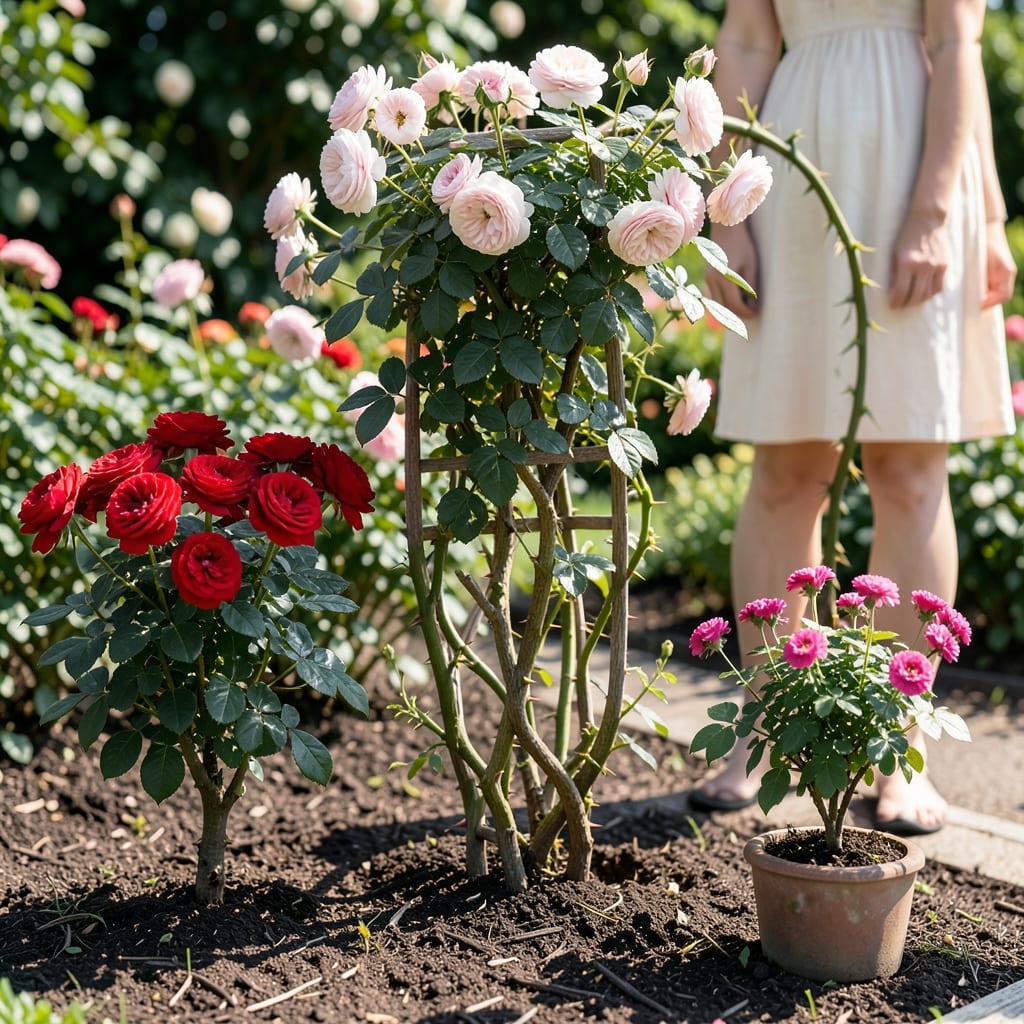
Ever wondered how tall can rose bushes grow before they reach for the sky—or why some stay neatly trimmed while others tower above your fence? The answer isn’t just about luck—it’s all in the variety and how you care for them. Whether you’re dreaming of a lush floral archway or prefer compact blooms by your patio, understanding a rose’s growth potential is the first step to shaping your garden’s perfect height.
From the 3-foot Knock Out roses that thrive in small spaces to the 10-foot climbers that can scale a trellis, each type has its own natural range. But here’s the game-changer: pruning techniques and growing conditions can push those limits—whether you want to keep a bush manageable or encourage it to soar. Let’s break down what determines a rose’s height and how you can guide its growth to match your vision.
You don’t need a green thumb to control your roses’ stature—just the right knowledge. Whether you’re dealing with a shrub rose that stays under 5 feet or a climbing variety that could top 15 feet, we’ll cover the secrets to pruning, staking, and training. Ready to turn your garden into a custom masterpiece? Let’s get started.
The best part? You’ll learn how to work with your roses’ natural tendencies while keeping them healthy and blooming beautifully. No more guessing—just confident gardening that delivers the perfect height for your space. Let’s dive into the details!

Rose bush height by variety: from dwarf to climbing giants
When planning your garden, knowing how tall can rose bushes grow helps you choose the perfect variety for your space. Roses aren’t one-size-fits-all—they range from dwarf varieties under 2 feet to climbing giants reaching 20 feet or more. The key to managing their height lies in understanding their natural growth habits and how they respond to pruning and care.
For example, Knock Out roses stay compact at 3-4 feet, making them ideal for small gardens or containers. On the other end of the spectrum, climbing roses like 'New Dawn' can soar to 12-15 feet if given proper support. Even within the same category—like shrub roses—heights vary dramatically, from 3-foot 'Playboy' to 6-foot 'Double Delight'.
| Variety Type | Height Range | Examples | Best For |
|---|---|---|---|
| Miniature Roses | 1-2 ft | 'Tom Thumb', 'Fairy' | Containers, rock gardens |
| Dwarf Shrub Roses | 2-3 ft | 'Knock Out', 'Playboy' | Borders, small spaces |
| Semi-Dwarf Shrub Roses | 3-5 ft | 'Double Delight', 'The Fairy' | Foundation plantings |
| Standard Roses (Bush on Stem) | 5-10 ft | 'Queen Elizabeth', 'Bonica' | Focal points, entryways |
| Climbing Roses | 10-20+ ft | 'New Dawn', 'Blaze', 'Zephirine Drouhin' | Trellises, arches, fences |
Hybrid teas and floribundas—popular for their showy blooms—typically reach 3-6 feet at maturity, making them versatile for both garden beds and cutting gardens. Meanwhile, climbing roses like 'Blaze' can grow 10-15 feet but need sturdy support to reach their full potential. Even within these categories, sunlight exposure and soil quality play huge roles in how tall a rose will grow.
For instance, full sun (6+ hours daily) encourages taller growth in climbers, while partial shade might keep shrubs slightly shorter. Poor soil drainage can stunt growth entirely, so always amend your soil with compost and organic matter before planting. The right conditions can push a rose to its maximum height—or keep it neatly contained, depending on your goals.
If you’re working with limited space, dwarf varieties or miniature roses are your best bet. They thrive in containers or small garden beds without needing pruning to control height. But even these can grow taller if given ideal conditions, so always check the mature height listed on seed packets or nursery tags.
One common misconception is that all roses need to be pruned heavily to stay small. In reality, some varieties naturally stay compact with minimal intervention. For example, 'Knock Out' roses are bred to be low-maintenance and rarely exceed 4 feet without aggressive pruning. Understanding these natural tendencies saves time and stress in the long run.
For those who love a challenge, climbing roses offer the ultimate height potential. With proper training on a trellis or arbor, varieties like 'Zephirine Drouhin' can reach 20 feet or more, creating stunning vertical displays. Just remember: the taller the rose, the more support and pruning it will need to stay healthy and productive.
Whether you’re aiming for a neat 3-foot hedge or a dramatic 15-foot archway, choosing the right variety is the first step. Pair that with smart pruning and care, and you’ll have roses that grow exactly as tall as you want—no guesswork required.
Pruning secrets to control rose bush height without sacrificing blooms
Pruning isn’t just about keeping your roses looking neat—it’s the secret weapon for controlling height while ensuring abundant blooms. The right cuts at the right time can shape your roses to fit your space, whether you want a compact bush or a tall, dramatic climber. But timing and technique matter: prune too much or at the wrong time, and you’ll stunt growth or reduce flowers. Let’s break down the proven methods for each rose type.
For shrub roses like the popular Knock Out roses (3-4 ft tall), aim to prune one-third of the plant in late winter or early spring. This encourages new, bushy growth and prevents legginess. Use clean, sharp pruners to cut just above an outward-facing bud, about 1/4 inch above it. Avoid cutting into old wood, as it won’t regrow. For climbing roses, like New Dawn (12-15 ft), prune selectively to train their height—remove only dead or crossing branches and shorten the longest canes by about 1/3 to maintain structure.
Here’s where many gardeners go wrong: pruning in fall or winter when roses are dormant. This can invite disease or leave your plant vulnerable to frost damage. Instead, late winter (just before buds swell) is ideal for most roses. For summer-blooming varieties, like floribundas, a light trim after the first flush of blooms can encourage a second round of flowers without sacrificing height. Always sterilize your tools with rubbing alcohol to prevent spreading fungal spores.
⚠️ Pruning Pitfalls to Avoid
Over-pruning: Cutting back more than 1/3 of the plant can stunt growth and reduce blooms. Stick to selective cuts based on the rose’s natural shape.
Wrong timing: Pruning in fall or winter can weaken the plant and invite disease. Late winter (just before buds swell) is best for most varieties.
Ignoring bud direction: Always cut above an outward-facing bud to encourage bushy, open growth. Cutting into old wood or inward-facing buds leads to crowded, weak stems.
Using dull tools: Dirty or dull pruners can crush stems and spread disease. Sterilize tools between cuts and use sharp, clean blades.
For standard roses (grafted onto tall stems), prune the top growth lightly to maintain their tree-like shape. Focus on removing suckers (shoots growing below the graft) to keep the plant true to its variety. If you’re growing roses in containers, prune more aggressively to control root growth and encourage compact blooms. Just remember: less is often more—even with container roses.
Don’t forget to feed your roses after pruning! A balanced 10-10-10 fertilizer applied in early spring and after blooming will support new growth and vibrant flowers. Water deeply before and after pruning to help the plant recover. With the right approach, you can shape your roses to fit your garden perfectly—tall, short, or anywhere in between—without sacrificing those stunning blooms.
Now that you’ve mastered the art of pruning, you’re ready to tackle another challenge: training tall roses in small spaces. Whether you’re working with a balcony garden or a fence-lined yard, the next section will show you how to harness vertical space like a pro. Let’s get growing!