
Flowers
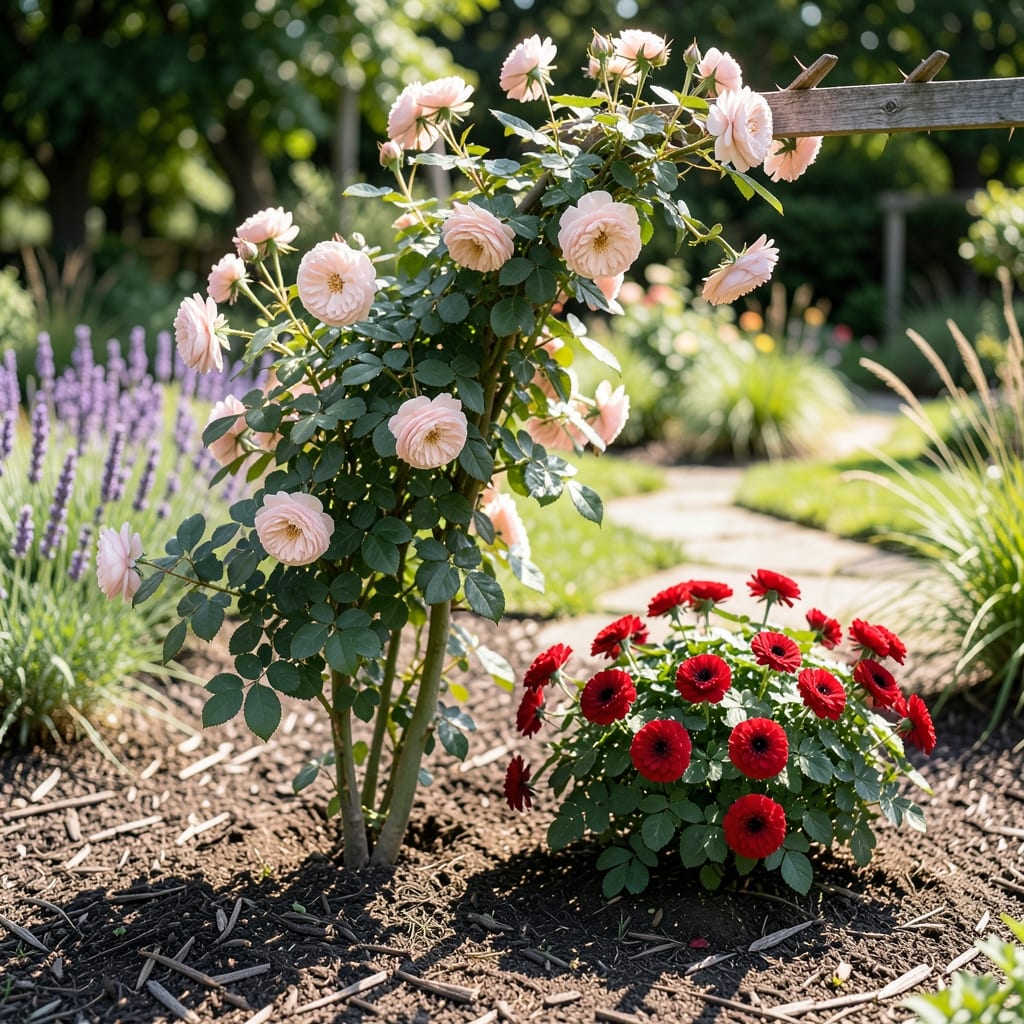
If you’ve ever dreamed of a backyard bursting with roses but wondered how tall can roses grow, you’re not alone. The answer depends entirely on the variety you choose—some stay compact enough for containers, while others climb higher than a two-story fence! Knowing these differences is the key to picking the perfect rose for your garden.
From delicate miniatures that top out at just 1-2 feet to dramatic climbers stretching over 12 feet, roses offer a stunning range of heights. Whether you’re working with a cozy patio or a sprawling yard, selecting the right type ensures your blooms thrive without overpowering your space. Let’s explore how to match rose varieties to your garden’s layout.
Pruning plays a surprisingly big role in controlling height, too. With the right techniques, you can keep even the tallest roses in check—or encourage them to reach their full potential. I’ll share simple strategies to manage growth naturally, so your roses stay healthy and your garden stays balanced.
Ready to transform your outdoor space? By the end, you’ll know exactly which roses fit your vision—whether you want a low border, a climbing trellis, or something in between. Let’s get started!

Rose height by variety: from dwarf to climbing giants
Roses aren’t one-size-fits-all when it comes to height. The variety you choose determines whether your roses will stay as short as a patio table (1-2 ft) or soar like a two-story trellis (12+ ft). Understanding these differences helps you plan your garden layout and avoid overcrowding or wasted space. Let’s break down the most popular rose types and their mature heights.
For example, miniature roses top out at just 1-2 feet, making them perfect for containers or window boxes. Meanwhile, climbing roses like 'New Dawn' can reach 12-15 feet, ideal for covering arbors or fences. Even within categories, heights vary—like the 3-5 ft Knock Out roses versus the 6-10 ft Floribunda hybrids.
Choosing the right variety isn’t just about aesthetics—it’s also about maintenance and space. Tall roses need sturdy supports, while dwarf varieties thrive in tight corners. Below, I’ve organized the most popular rose types by height so you can pick the perfect fit for your garden.
| Variety | Mature Height | Best For |
|---|---|---|
| Miniature Roses | 1-2 ft | Containers, window boxes, fairy gardens |
| Dwarf Shrub Roses | 2-3 ft | Borders, small gardens, low hedges |
| Semi-Dwarf Roses | 3-5 ft | Foundation plantings, mid-border height |
| Hybrid Tea Roses | 4-6 ft | Cut flowers, garden focal points |
| Floribunda Roses | 3-5 ft | Mass planting, borders, containers |
| Climbing Roses | 8-15+ ft | Arbors, trellises, fences, pergolas |
| Knock Out Roses | 3-4 ft | Low-maintenance borders, hedges, wildlife gardens |
If you’re working with limited space, miniature and dwarf roses are game-changers. They bloom profusely without taking over, and many varieties like 'Fairy' or 'Tom Thumb' stay under 2 feet tall. These are ideal for urban gardens, balconies, or even as houseplants in bright windows.
For larger gardens, climbing roses add drama and vertical interest. Varieties like 'Blaze' or 'Zephirine Drouhin' can climb 10-15 feet, creating a stunning canopy when trained on a trellis or fence. Just remember—these need strong supports and regular pruning to manage their vigor.
Hybrid teas and floribundas strike a balance, typically reaching 4-6 feet. They’re versatile for cutting gardens, mixed borders, or as standalone specimens. My personal favorite, 'Double Delight,' stays around 4 feet and blooms nonstop with minimal fuss.
Pro tip: Always check the mature height on seed packets or nursery tags. What looks small in a pot can double in size once planted! Also, consider soil quality and sunlight—roses in rich, well-draining soil with full sun will grow taller and healthier than those in poor conditions.
Now that you know the height ranges, the next step is managing growth. In the following section, I’ll share pruning secrets to control height naturally, so your roses stay the size you want—without sacrificing blooms or health. 🌹
How pruning affects rose growth: secrets to control height naturally
Pruning isn’t just about shaping your roses—it’s the secret weapon for controlling their height. Whether you want to keep a climbing rose from reaching the roof or encourage a shrub rose to grow bushier, timing and technique matter. The best time to prune is late winter or early spring, just before new growth begins. This gives you a clean slate to shape the plant while it’s still dormant.
For tall-growing varieties like 'New Dawn' climbers, prune back by one-third to one-half of their height each year. This prevents them from becoming unmanageable while maintaining their vigor. Use sharp, clean pruners to make cuts at a 45-degree angle just above an outward-facing bud. This encourages growth in the direction you want.
🌹
Step-by-Step Pruning Guide for Height Control
- Step 1: Remove dead or diseased wood first. Look for blackened or mushy stems—these won’t regrow and can spread illness.
- Step 2: Cut back last year’s growth to just above a strong bud. Aim for the outer third of the plant to encourage an open shape.
- Step 3: Thin out crowded canes to improve airflow. This reduces fungal diseases like black spot and keeps the plant healthy.
- Step 4: For climbers, prune side shoots to 3-5 leaves to focus energy on upward growth. This prevents them from becoming too bushy.
- Step 5: Apply pruning sealant (optional) to cuts wider than a pencil to prevent moisture loss.
Pruning in summer or fall can stunt growth, so avoid heavy cuts during these seasons. Instead, do light maintenance pruning to remove spent blooms and encourage more flowers. This is called deadheading, and it keeps your roses looking tidy while promoting continuous blooming.
One common mistake is pruning too late in the season, which can leave your roses vulnerable to winter damage. Always finish pruning at least 4-6 weeks before the first frost. This gives the plant time to heal and harden off before cold weather hits.
If you’re growing roses in containers, pruning is even more critical. Root-bound plants grow slowly, so regular pruning helps maintain their compact size. Use a smaller pot (12-18 inches wide) to naturally limit growth, and prune back by 20-30% each year to keep them manageable.
With the right pruning habits, you can train your roses to stay at your desired height—whether that’s a neat 3-foot bush or a 10-foot trellis masterpiece. Start with these techniques, and you’ll see a difference in just one growing season! ✂️