
How To
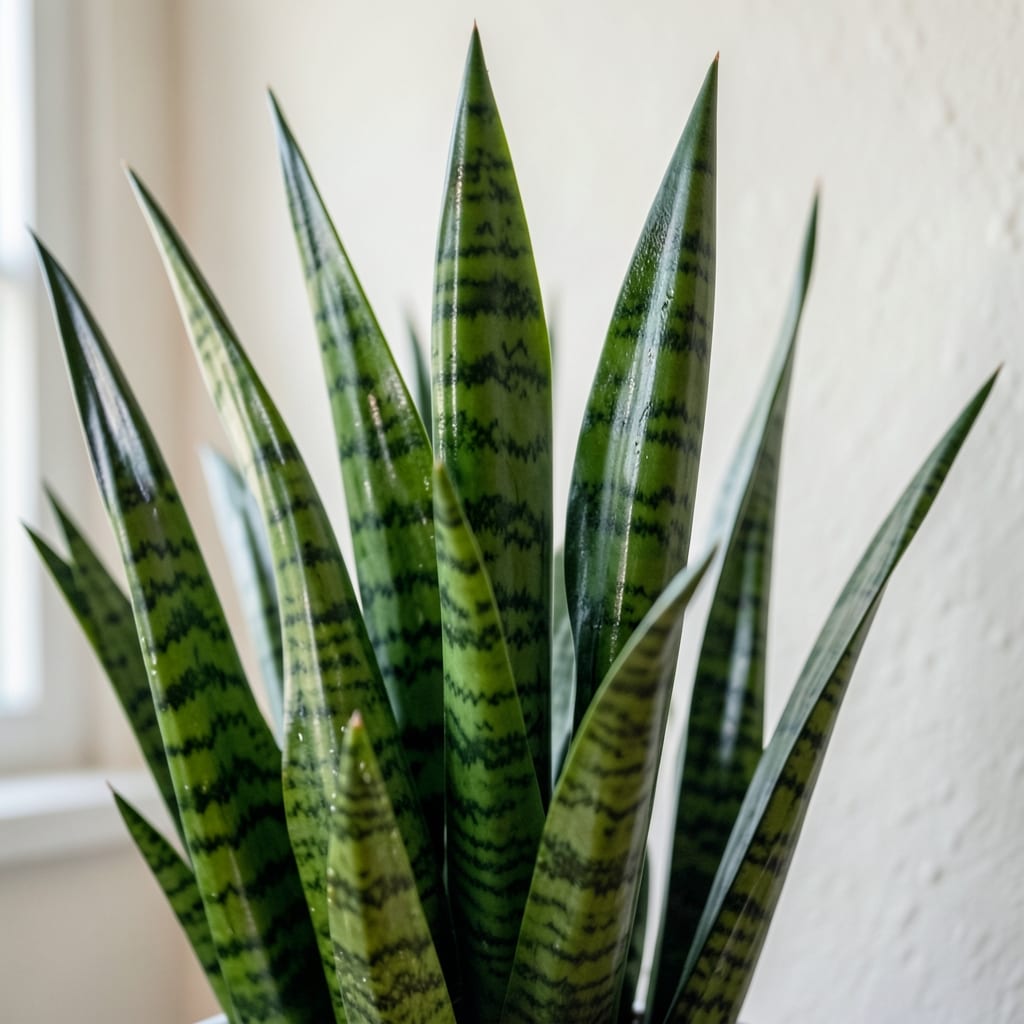
If you're curious about how tall can snake plant grow, you might be surprised to learn these plants can reach drastically different heights depending on their environment. Whether you're growing your 🌱 snake plant indoors or outdoors, understanding its growth potential helps you plan your space and care routine.
Indoor snake plants typically stay between 1 to 3 feet tall, making them perfect for apartments and small spaces. However, when given ideal outdoor conditions—like plenty of sunlight and room to spread—they can soar to 6 feet or more. This flexibility means your plant's height depends more on where you place it than on any special care tricks.
Many people assume snake plants grow slowly, but that's not always true. With the right conditions, they can grow 6 to 12 inches per year, especially in warmer climates. Whether you want a compact tabletop plant or a tall statement piece, there are simple ways to influence its growth—like choosing the right pot size or adjusting light exposure.
Let’s break down the factors that determine your snake plant’s height, from indoor limitations to outdoor possibilities. You’ll also discover how to control its growth if it’s getting too tall for your space. Ready to learn how to shape your plant’s future?


Snake plant height limits: indoor growth potential explained
When growing a snake plant indoors, its height is largely influenced by three key factors: light exposure, pot size, and pruning habits. Unlike their outdoor counterparts, indoor snake plants rarely exceed 3 feet unless given exceptional care. Most varieties—like the popular Sansevieria trifasciata—typically reach 1 to 2 feet in standard apartment conditions.
The light level in your home plays the biggest role. If your snake plant sits in a low-light corner, expect slower growth and shorter heights—often just 12 to 18 inches. However, placing it near an east-facing window (where it gets 4-6 hours of indirect light daily) can encourage growth up to 2 to 3 feet in 2-3 years.
Pot size matters too. Snake plants in small pots (under 6 inches in diameter) will grow more slowly and stay compact. But if you repot into a larger container (8+ inches), you’ll likely see faster vertical growth—sometimes 6 to 12 inches per year—as the roots spread and the plant competes for space upward.
Many gardeners assume snake plants grow slowly, but that’s a common misconception. With ideal indoor conditions—bright indirect light, well-draining soil, and occasional fertilizer—they can grow surprisingly fast. For example, a 2-foot-tall plant in a sunny spot might reach 3 feet in just 18 months.
Pruning also affects height. If you trim the leaves regularly (every 6-12 months), your plant will stay bushier and shorter. But if you leave it unpruned, it may develop longer, straighter leaves, reaching closer to that 3-foot limit. Some gardeners even propagate the cuttings to create new plants!
Here’s a quick comparison of what to expect based on your setup:
If you’re worried about your snake plant outgrowing its space, don’t fret—there are simple ways to control its height. For instance, rotating the pot quarter-turns every few months ensures even growth, preventing lopsided or overly tall leaves. You can also top-dress the soil with fresh potting mix annually to limit root expansion and slow vertical growth.
One pro tip for indoor gardeners: If your snake plant starts leaning toward a light source, it’s a sign it needs more brightness. Move it closer to a window or consider a grow light for 12–14 hours daily to encourage balanced, upright growth. This adjustment can keep your plant at an ideal 2-foot height while maintaining its health.
Remember, snake plants are low-maintenance champions, but they do reward attentive care. Whether you want a compact tabletop plant or a taller statement piece, understanding these indoor growth factors gives you full control over its size. Next, let’s explore how outdoor conditions can push snake plants to 6 feet or taller—and what that means for your garden! 🌱
Outdoor snake plants: how climate and conditions affect maximum height
When you move your snake plant outdoors, its growth potential transforms dramatically. Unlike indoor conditions, outdoor snake plants can reach 6 feet or taller—especially in tropical or subtropical climates where they thrive year-round. The key difference? Unrestricted space, full sunlight exposure, and richer soil all contribute to faster, taller growth.
In warm climates (USDA Zones 9–11), snake plants grow aggressively, often reaching 4 to 6 feet in just 3–5 years. For example, in Florida or Hawaii, mature snake plants can even exceed 10 feet in ideal conditions, forming dense clumps that spread horizontally while shooting upward. These plants become architectural features in landscapes, rivaling small shrubs.
But outdoor growth isn’t just about height—it’s also about leaf width and density. In bright, direct sunlight, leaves grow thicker and straighter, while partial shade produces broader, more horizontal growth. The Sansevieria trifasciata 'Futura Superba', for instance, can develop 3-foot-long leaves when planted in full sun, compared to its indoor counterparts.
Here’s how different outdoor conditions compare for snake plant height:
Soil type also plays a crucial role. Snake plants in well-draining, sandy loam grow faster and taller than those in clay-heavy or waterlogged soil. In wild settings, like the Sahara Desert or South African savannas (their native habitat), snake plants can reach up to 12 feet in ideal conditions, forming dense colonies.
If you’re planting outdoors, avoid overwatering—even in warm climates. Snake plants in containers dry out faster than in-ground plants, so water only when the top 2 inches of soil are dry. For ground-planted snake plants, reduce watering to every 3–4 weeks in summer and monthly in winter to prevent root rot, which can stunt growth.
One common mistake is assuming snake plants need constant moisture. In reality, they thrive on neglect—especially outdoors. Overwatering leads to yellowing leaves and stunted growth, while proper drainage encourages taller, healthier plants. For maximum height, pair your snake plant with compost-amended soil and mulch to retain moisture without suffocating roots.
Outdoor snake plants also benefit from seasonal pruning. Trimming yellow or damaged leaves in early spring encourages new, vigorous growth. If your plant becomes too tall for your space, you can cut the leaves at the base and propagate them—this keeps the parent plant bushier and shorter while giving you free new plants! 🌿