
Succulent
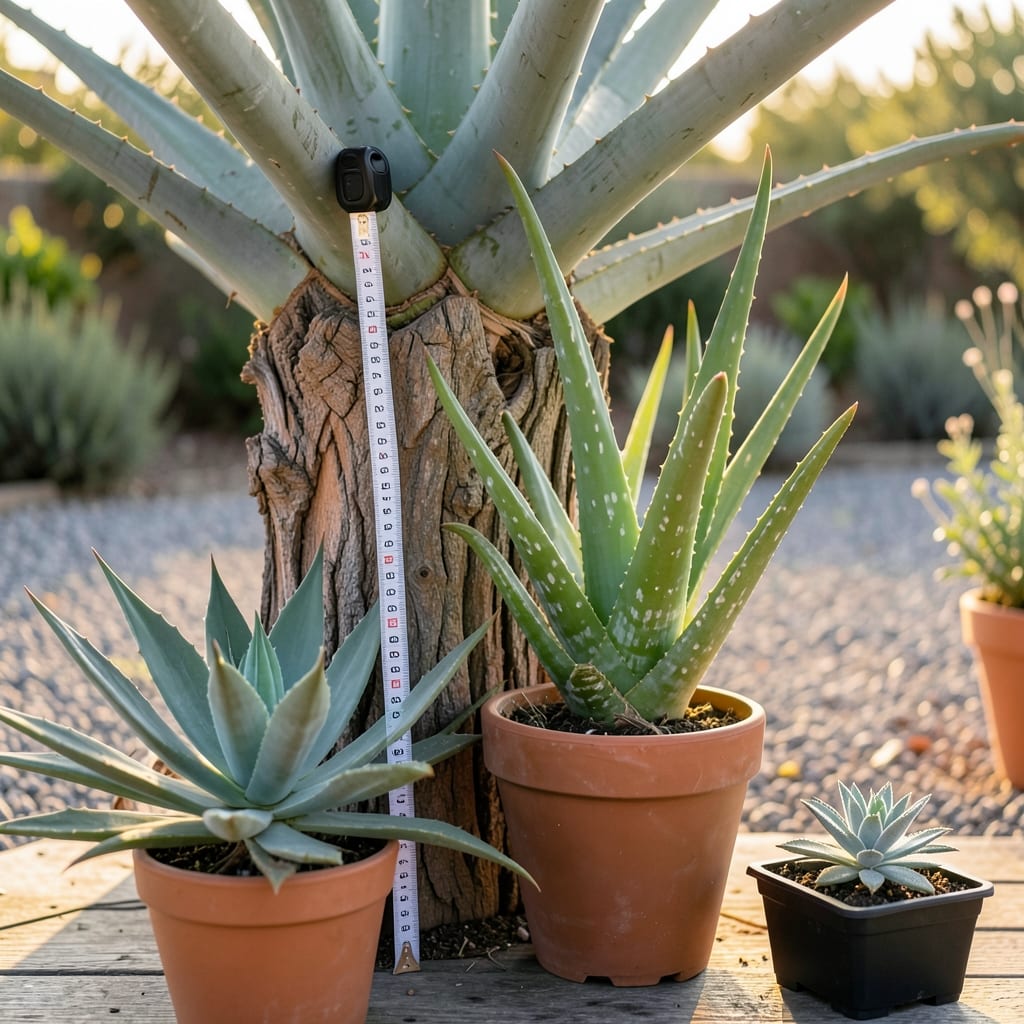
If you’ve ever wondered "how tall can succulents grow", the answer might surprise you—these desert-dwelling plants range from tiny 1-inch wonders to towering 30-foot giants that outgrow your living room! Whether you’re dreaming of a windowsill garden or a dramatic backyard statement plant, understanding their growth potential is the key to choosing the perfect 🌵 for your space.
Most succulents stay compact, making them ideal for small apartments or sunny shelves, but some varieties stretch toward the sky with the right care. The difference often comes down to species—like the stubby Echeveria (just 3 inches tall) versus the Agave, which can reach 10 feet or more in ideal conditions. Light, soil, and container size play huge roles in how much they’ll grow, so let’s break down what you need to know to encourage—or rein in—their height.
If you’re working with limited space, don’t worry—there are plenty of ways to enjoy taller succulents without sacrificing your square footage. From dwarf varieties that thrive in tiny pots to creative vertical gardening hacks, we’ll cover how to make any succulent fit your lifestyle. Ready to discover which 🌵 will work best for you?
In this guide, you’ll learn how to spot fast-growing varieties, manage their height with simple pruning tricks, and even grow tree-sized succulents indoors. Whether you’re a beginner or a seasoned gardener, these tips will help you create a stunning, space-efficient collection that grows exactly how you want it to.


Succulent height ranges: from tiny dwarfs to giant trees (with space requirements)
Succulents are famous for their compact, easy-care nature—but their height can vary dramatically depending on the species. Some stay small enough to fit on a windowsill, while others grow tall enough to shade your backyard. Understanding these ranges helps you choose the perfect 🌵 for your space, whether you’re working with a tiny apartment or a sunny garden plot.
The smallest succulents, like Lithops (also called "living stones"), top out at just 1 inch tall, making them ideal for terrariums or desk gardens. On the other end of the spectrum, Agave americana can reach 30+ feet in the wild—taller than most people! Most home gardeners will encounter succulents in the 1–10 foot range, but even within that, their space needs differ wildly.
Here’s how succulents break down by size category, along with their ideal growing conditions and space requirements:
If you’re growing succulents in containers, their height is often limited by the pot size. For example, a 6-inch pot will keep most succulents under 2 feet, while a 20-gallon container can support varieties like Agave reaching 6–8 feet. Always choose pots with drainage holes to prevent root rot, which can stunt growth or kill your plant.
For outdoor planting, soil type and sunlight play critical roles. Well-draining, sandy soil encourages faster growth, while heavy clay can slow it down. In full sun (6+ hours daily), succulents like Yucca or Beaucarnea grow taller and fuller, but they may stretch toward light if deprived—leading to leggy, weak stems. Rotate pots occasionally to keep them balanced.
One common misconception is that all succulents stay small. In reality, 20% of varieties can grow taller than 5 feet with proper care. If you love the look of towering succulents but lack outdoor space, consider dwarf varieties or prune aggressive growers like Aloe vera to maintain a manageable height. A simple topping trick—cutting the stem just above a leaf node—can encourage bushier growth while keeping the plant compact.
Whether you’re after a windowsill garden or a backyard centerpiece, choosing the right succulent for your space is all about matching its mature height to your environment. Next, we’ll dive into the 5 fastest-growing succulents and how to manage their impressive height without sacrificing their health.
5 Fastest-growing succulents that surpass expectations (and how to manage them)
If you love succulents but thought they all stayed small, think again—some varieties grow surprisingly fast, reaching towering heights in just a few years. While most succulents grow at a steady, slow pace, these five aggressive growers can shoot up 1–2 feet per year under ideal conditions. The key to managing their height lies in understanding their growth habits and adjusting care accordingly.
Take Aloe vera, for example. In perfect conditions, this popular succulent can grow 3–4 feet tall and spread 3 feet wide—making it a statement plant in sunny gardens. But left unchecked, it can become unwieldy in containers. Similarly, Beaucarnea recurvata (elephant bush) grows 10+ feet tall in the wild, with its iconic swollen trunk storing water like a living battery. These fast growers aren’t just for desert landscapes—they can thrive in containers too, with the right pruning and sunlight strategies.
-
1
Aloe vera (3–4 ft tall)
Grows 1 foot per year in full sun. Prune flowering stalks to redirect energy into foliage growth.
-
2
Beaucarnea recurvata (10+ ft tall)
Needs bright light to avoid leggy growth. Repot every 2–3 years to prevent root-bound stunting.
-
3
Agave parryi (2–3 ft tall)
Forms pups rapidly. Remove offsets to control spread and encourage a fuller rosette.
-
4
Yucca elephantipes (6–10 ft tall)
Grows 2 feet per year in warm climates. Prune dead leaves at the base to maintain a clean, upright form.
-
5
Dracaena marginata (15–20 ft tall)
Slow-growing but long-lived. Use topping to encourage bushier growth in containers.
Pruning is your best friend when managing fast-growing succulents. For Aloe vera or Yucca, simply snip off overgrown leaves at the base with sterilized scissors. The plant will redirect energy to new growth, keeping it compact and healthy. For Beaucarnea, prune long, leggy stems to encourage a fuller trunk. Always use clean tools to avoid bacterial infections, which can weaken your plant.
Light is another critical factor. Most fast-growing succulents need 6+ hours of direct sunlight daily to reach their full potential. Without enough light, they’ll stretch toward windows or grow weak, pale stems. If your space lacks natural light, supplement with a grow light for 12–14 hours per day. Rotate pots occasionally to ensure even growth and prevent lopsided development.
Container size matters too. A 6-inch pot will keep most succulents under 2 feet tall, while a 20-gallon container can support varieties like Agave reaching 6–8 feet. Always choose pots with drainage holes and use a fast-draining cactus mix to prevent root rot, which can stunt growth or kill your plant. Repot every 2–3 years to give roots room to expand.
With these tips, you can enjoy the dramatic heights of fast-growing succulents without sacrificing your space. Next, we’ll explore how to grow towering succulents indoors—even in tiny apartments—using creative workarounds like vertical gardens and dwarf varieties.