
Flowers
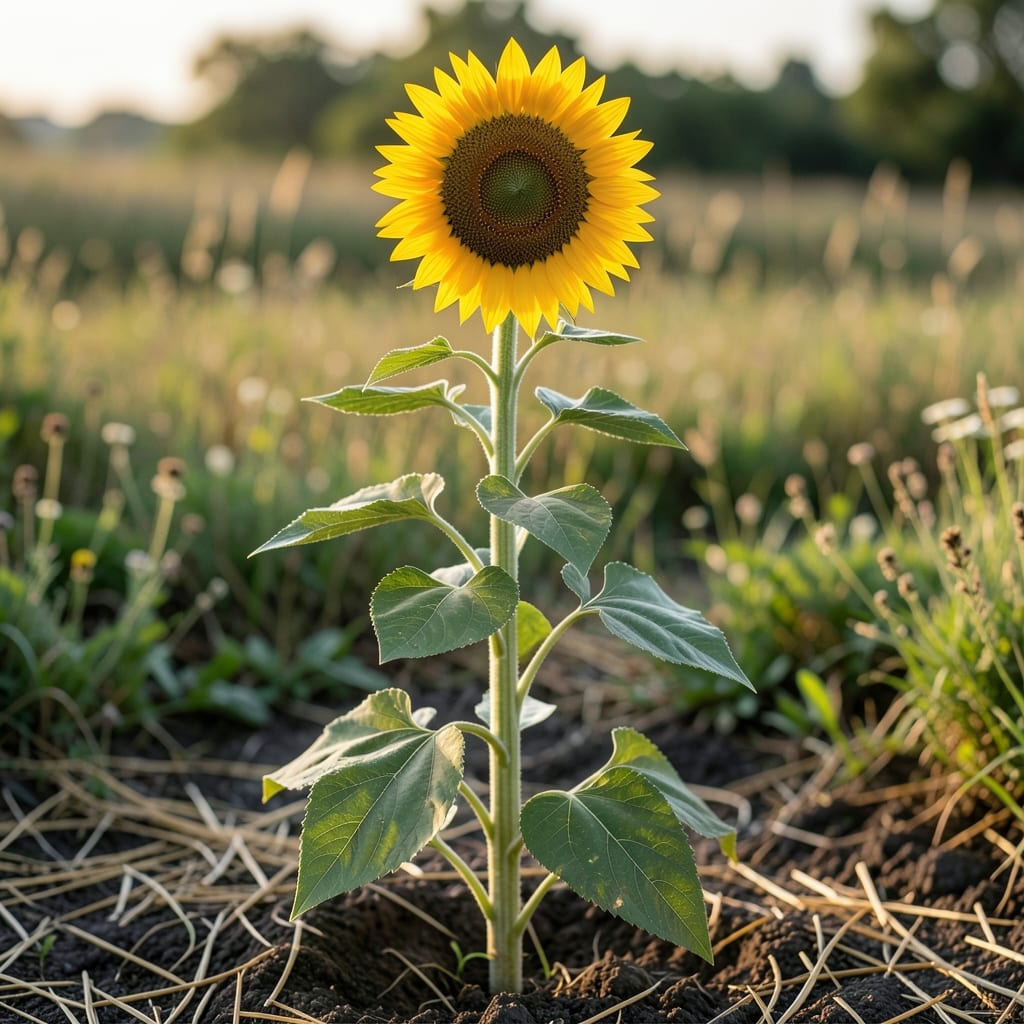
Ever stared at a sunflower 🌻 and wondered how tall can sunflowers grow up to? The answer might surprise you—some varieties stretch up to 14 feet, reaching heights that rival two-story buildings! Whether you're dreaming of a backyard centerpiece or curious about the science behind their growth, understanding sunflower height is the first step to cultivating a showstopper.
Not all sunflowers are created equal—dwarf varieties stay compact at just 1-3 feet, while powerhouses like 'Russian Giant' and 'Mammoth' can soar to 10-16 feet with the right care. The secret lies in sunlight, soil quality, and even your watering habits. With the perfect conditions, you could grow a sunflower taller than your neighbor’s fence!
But here’s the catch: reaching those record-breaking heights takes more than just luck. It’s about choosing the right variety, giving your plants the support they need, and avoiding common mistakes that stunt growth. In this guide, I’ll break down everything you need to know—from the tallest sunflower varieties to pro tips for coaxing your plants to new heights.
Ready to grow a sunflower that turns heads? Let’s dive into how to turn your garden into a sunflower wonderland, no matter your space or experience level. The sky’s the limit—literally!


Sunflower height records: how tall can they really grow?
If you’ve ever planted sunflowers 🌻, you’ve probably noticed they come in all shapes and sizes—but did you know the tallest varieties can reach 14 to 16 feet? That’s taller than most basketball hoops and nearly the height of a two-story building! The world record for the tallest sunflower stands at an astonishing 16 feet, achieved with careful cultivation and ideal growing conditions.
Sunflower height varies dramatically depending on the variety, genetics, and environmental factors. Dwarf varieties like 'Teddy Bear' stay under 3 feet, while giants like 'Russian Giant' or 'Mammoth' can tower over 12 feet. Even standard varieties typically reach 8 to 10 feet with proper care. The key to unlocking their full potential lies in understanding how sunlight, water, and soil quality interact to fuel their growth.
Sunlight is the most critical factor—sunflowers need 6 to 8 hours of direct sunlight daily to reach their maximum height. Without enough light, they’ll grow leggy and weak, struggling to support their own weight. Soil quality also plays a role: well-draining, nutrient-rich soil packed with organic matter helps roots establish deeply, providing stability for those towering stems.
Watering habits can make or break your sunflower’s height. Consistent moisture during the growing season encourages strong stem development, but overwatering or poor drainage can lead to weak, spindly plants. Aim for 1 to 2 gallons of water per plant every 3 to 5 days, adjusting for your climate. In hot, dry conditions, you may need to water more frequently to prevent stress.
Temperature also influences height. Sunflowers thrive in warm climates (USDA Zones 2-11), but they need a long, frost-free growing season to reach their full potential. Planting after the last frost—typically in late April or May—gives them enough time to mature before cooler weather sets in. In cooler regions, opt for faster-maturing varieties to avoid stunted growth.
Now, let’s talk genetics. Some sunflower varieties are bred specifically for height, while others prioritize disease resistance or early blooming. For example, the 'Russian Giant' variety is famous for its 12 to 16-foot stems, while 'Autumn Beauty' grows to 5 to 6 feet but boasts stunning bicolor blooms. Choosing the right variety for your space and goals is the first step to growing a sunflower that turns heads.
Here’s a quick comparison to put it all into perspective:
With the right variety and conditions, your sunflower could easily surpass 10 feet, making it a stunning focal point in your garden. But remember, taller sunflowers need extra support—we’ll dive into staking and other pro tips in the next section to ensure your giant grows strong and steady.
Ready to pick your perfect sunflower? The next step is choosing the right variety for your space and goals—let’s explore the top 5 tallest sunflower varieties that’ll give you that wow factor! 🌻
Sunflower height records: how tall can they really grow?
Sunflowers 🌻 are nature’s skyscrapers, and their height potential is nothing short of astonishing. While most varieties top out at 3-6 feet, the real giants—like the legendary 'Russian Giant'—can reach a staggering 14-16 feet under ideal conditions. That’s taller than a basketball hoop and nearly as tall as a two-story building!
The key to unlocking this growth lies in three factors: genetics, sunlight exposure, and soil quality. Sunflowers are heliotropic, meaning they follow the sun’s path, which fuels rapid vertical growth. But without proper nutrients and space, even the tallest varieties will struggle to reach their full height.
Here’s the science: sunflowers grow fastest during their first 8-10 weeks, adding 1-2 feet per week if conditions are perfect. After flowering, growth slows, but the stem continues to thicken. The tallest varieties often need staking or trellising to prevent toppling in wind or rain.
| Variety | Height Range | Growth Tip |
|---|---|---|
| Dwarf (e.g., 'Teddy Bear') | 1–3 ft | Compact, great for containers |
| Standard (e.g., 'Autumn Beauty') | 6–10 ft | Balanced height for gardens |
| Giant (e.g., 'Russian Giant') | 10–16 ft | Needs staking; full sun |
Sunlight is non-negotiable—sunflowers need at least 6-8 hours of direct sun daily to maximize height. In shady spots, growth stalls, and stems become weak. Pair this with well-draining, nutrient-rich soil (amend with compost before planting), and you’re halfway to a sunflower skyscraper.
Watering plays a crucial role too. While sunflowers are drought-tolerant once established, deep watering 2-3 times per week during their rapid growth phase ensures strong stems. Overwatering, however, can lead to fungal issues like powdery mildew, which weakens plants and limits height potential.
Fun fact: the tallest sunflower ever recorded, grown in Germany in 2021, hit 15.2 feet! With the right variety, care, and a little patience, you could break local records in your own backyard. The secret? Start with high-quality seeds, give them space, and let the sun do the rest. 🌱