
Size
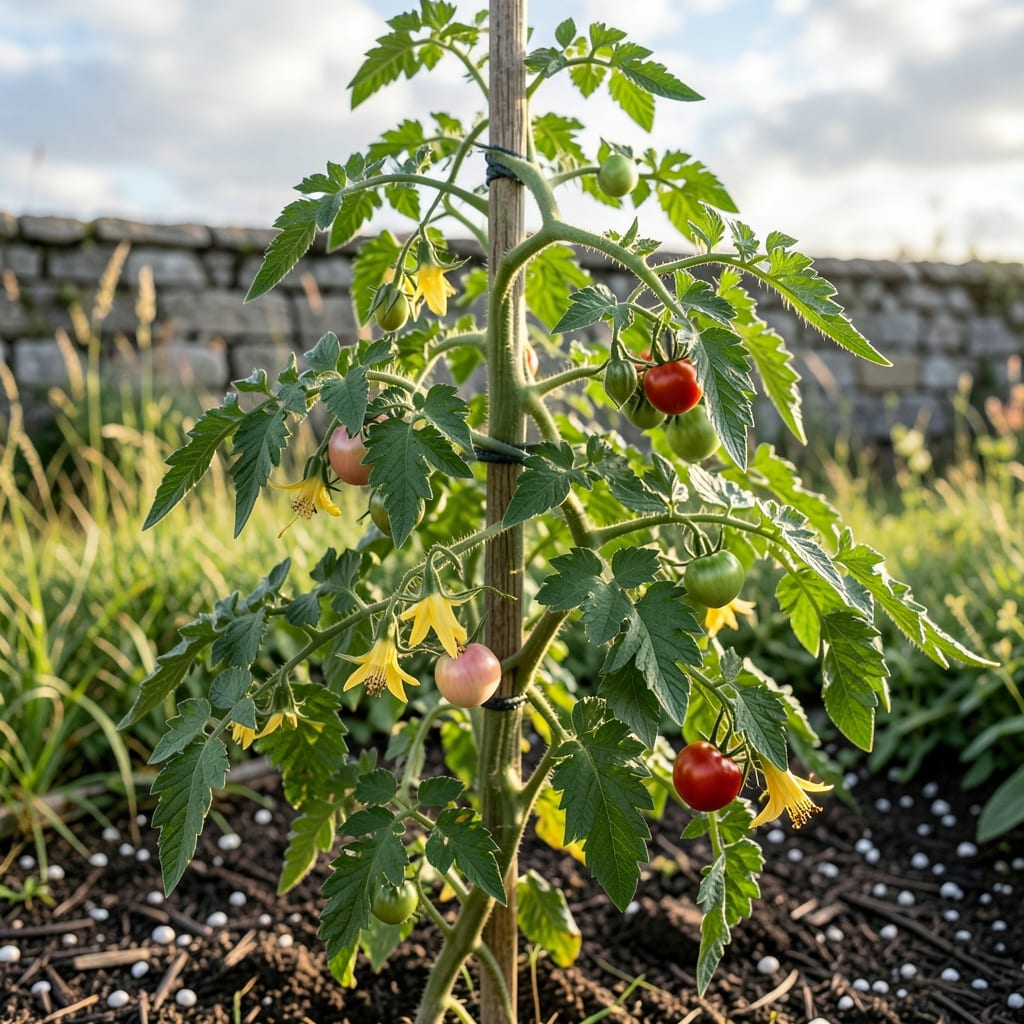
If you’ve ever wondered how tall tomatoes can grow in your garden and watched them shoot up like sky-scrapers or stay stubbornly small, you’re not alone. The height of your tomatoes isn’t just luck—it’s all about their genetic type, and knowing the difference can mean the difference between a bountiful harvest and a few sad fruits hidden among the leaves.
Determinate tomatoes, the compact cousins of the garden, top out around 3-5 feet, making them perfect for containers or small spaces. But indeterminate varieties? Those are the jungle gym champions, stretching up to 12 feet or more with the right care. Whether you’re dealing with a bushy dwarf or a towering vine, understanding their growth habits is the key to managing (or maximizing) their height.
In this guide, I’ll break down the height limits for both types, share tips for controlling overgrowth, and help you decide which varieties suit your space best. No more guessing—just science-backed strategies to turn your garden into a tomato powerhouse.
Ready to stop wondering and start growing them to their full potential? Let’s get started.


Indeterminate tomato growth limits: why some plants reach 10+ feet
If you’ve ever seen a tomato plant stretch toward your porch roof like a jungle vine, you’ve met an indeterminate variety. These giants don’t stop growing—at least not until frost hits. Unlike their determinate cousins, indeterminate tomatoes keep producing new leaves, stems, and flowers all season long, which means their height can skyrocket to 10 feet or more with proper care. The record? Some varieties have been known to reach 15 feet in ideal conditions!
But why do they grow so tall? Indeterminate tomatoes have an open, vining growth habit that encourages vertical expansion. Their main stem continues to grow as long as conditions are right, and they produce unlimited fruit clusters along the way. This makes them perfect for gardeners with space to spare or those who want a continuous harvest. However, their height comes with challenges—like needing strong support and regular pruning to manage their size and improve airflow.
Here’s the kicker: their height isn’t just about space. Taller indeterminate plants often yield more fruit because they have more surface area to capture sunlight and produce flowers. But without proper support, those heavy vines can snap under the weight of ripe tomatoes, leading to broken stems and lost harvests. That’s why understanding their growth limits—and how to support them—is key to maximizing your yield.
🌱 Indeterminate Tomato Growth Summary
| Variety Type | Mature Height | Growth Habit | Fruit Production |
|---|---|---|---|
| Indeterminate | 6–12+ feet | Continuous vining | Unlimited clusters |
| Cherry (e.g., 'Sungold') | 8–10 feet | Fast-growing vine | Prolific small fruit |
| Beefsteak (e.g., 'Brandywine') | 10–12+ feet | Slow but tall | Fewer, larger fruits |
| Heirloom (e.g., 'Black Krim') | 7–10 feet | Moderate vining | Unique flavors |
One of the most exciting things about indeterminate tomatoes is their potential for record-breaking heights. Varieties like 'Sungold' cherry tomatoes or 'Brandywine' beefsteaks can grow 10 feet or taller in a single season if given the right conditions. However, their height isn’t just about breaking records—it’s about optimizing your garden layout. For example, training them vertically on a trellis or cage saves space and makes harvesting easier. Plus, taller plants can produce fruit later in the season, extending your harvest well into fall.
But here’s a common mistake many gardeners make: assuming that taller always means better. While height can increase yield, it also means more pruning and maintenance. Without proper care, indeterminate plants can become unruly, with tangled vines and crowded fruit that’s prone to disease. That’s why I recommend starting with a support system in place—whether it’s a sturdy stake, a tomato cage, or a trellis—right when you transplant your seedlings. This gives the plant something to climb early on and prevents you from playing catch-up later.
Another factor that affects height is your climate and growing conditions. In warmer regions with longer growing seasons, indeterminate tomatoes can grow even taller because they have more time to vine. However, in cooler climates, their growth might slow down, capping their height at 6–8 feet. To encourage maximum growth, ensure your plants get full sun (6–8 hours daily) and consistent moisture. Drought stress or nutrient deficiencies can stunt their growth, so regular watering and a balanced fertilizer (like a 5-10-10 NPK mix) will keep them thriving.
If you’re growing indeterminate tomatoes in containers, be prepared for some trade-offs. While they can still reach 6–8 feet in large pots, their height will be limited by the container’s size. To work around this, choose a deep container (at least 18 inches deep) and use a compact variety like 'Tiny Tim' if space is tight. Even in containers, indeterminate tomatoes will need support, so opt for a sturdy cage or trellis that’s tall enough to accommodate their growth.
Finally, don’t forget that pruning plays a huge role in managing height and improving fruit quality. By removing suckers (side shoots) that grow in the leaf axils, you encourage the plant to focus its energy on producing larger fruit and stronger stems. Pruning also improves airflow, reducing the risk of fungal diseases like blight. For indeterminate tomatoes, I recommend pruning regularly—about once a week during the growing season—to keep the plant in check and ensure a healthier, more productive harvest.
Whether you’re aiming for a 10-foot giant or just want to keep your tomatoes manageable, understanding indeterminate growth habits is your first step. With the right support, care, and a little pruning, you can turn those sky-high vines into a fruit-filled powerhouse that keeps giving all season long.
Determinate tomato height limits: compact varieties explained
If you’ve got limited space or prefer a neat, bushy tomato plant, determinate varieties are your best bet. Unlike their towering indeterminate cousins, these tomatoes grow to a predictable height of 3–5 feet, making them perfect for containers, small gardens, or even windowsills. Their compact growth habit isn’t just about convenience—it’s also tied to their fruit production pattern. Determinate tomatoes produce all their fruit at once, typically within a 2–3 week window, which means you’ll get a bumper crop but need to harvest it quickly to avoid overripening.
Their height is genetically fixed, so you won’t see them stretching toward your roof like indeterminate varieties. Instead, they grow in a bushy, multi-stemmed form with a thick main stem and lateral branches. This structure makes them ideal for cage-free growing—just plant them in a pot or directly in the ground, and they’ll stay contained. Popular determinate varieties like 'Celebrity' or 'Roma' rarely exceed 4 feet, while some dwarf varieties, such as 'Tiny Tim,' top out at just 1–2 feet, making them perfect for patio gardens or hanging baskets.
But here’s the trade-off: while their height is manageable, determinate tomatoes often produce fewer fruit clusters compared to indeterminate types. Their energy is focused on a single flush of fruit, which means you’ll need to plan for a shorter harvest window. To maximize your yield, choose a variety that matches your climate. In cooler regions, determinate tomatoes might not reach their full height potential, while in warmer areas, they can grow slightly taller but still stay within that 3–5 foot range.
🌱 Determinate vs. Indeterminate Tomato Height Comparison
| Variety Type | Mature Height | Growth Habit | Harvest Window | Best For |
|---|---|---|---|---|
| Determinate | 3–5 feet | Bushy, multi-stemmed | 2–3 weeks | Containers, small gardens |
| Cherry (e.g., 'Sweet 100') | 3–4 feet | Compact bush | 2 weeks | Snacking, salads |
| Paste (e.g., 'Roma') | 3–5 feet | Upright bush | 3 weeks | Sauces, canning |
| Dwarf (e.g., 'Tiny Tim') | 1–2 feet | Miniature bush | 1–2 weeks | Patio pots, balconies |
| Indeterminate (for contrast) | 6–12+ feet | Vining, continuous | All season | Large gardens, trellises |
One of the biggest advantages of determinate tomatoes is their low-maintenance nature. Since they don’t require pruning or staking like indeterminate varieties, they’re ideal for beginners or gardeners short on time. However, their compact size doesn’t mean they’re low-yield. In fact, many determinate varieties produce heavy fruit loads on their sturdy branches. For example, 'Roma' tomatoes are famous for their meaty, paste-like fruit, perfect for sauces and canning, while 'Celebrity' is a reliable all-purpose variety that thrives in containers.
If you’re growing determinate tomatoes in containers, choose a 5-gallon pot or larger to accommodate their root system. Smaller pots can restrict growth and reduce yield, so aim for at least 12–18 inches of depth. When planting, bury the stem up to the first set of leaves to encourage stronger root development. This technique, called stem burial, helps the plant establish itself quickly and supports its bushy structure. For added stability, place a small cage or stake in the pot at planting time—even though determinate tomatoes don’t vine, a little support can prevent them from toppling over under the weight of their fruit.
Another tip for managing determinate tomatoes is to harvest regularly. Since they produce all their fruit at once, overripe tomatoes can attract pests or split, leading to waste. Pick fruit as soon as it reaches mature color and firmness, and consider using net bags or paper bags to ripen tomatoes indoors if your season is short. This not only extends your harvest but also prevents disease spread from overripe