
Trees
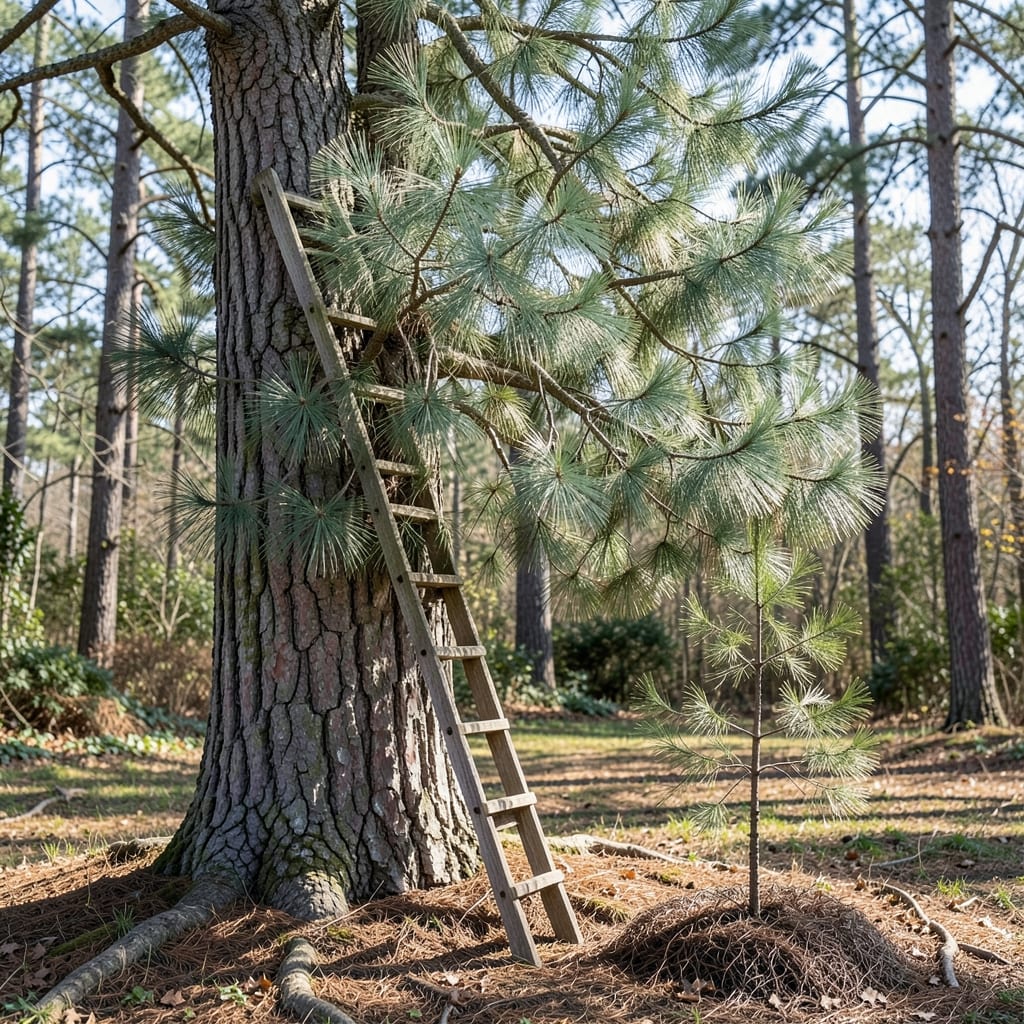
If you're wondering how tall can white pines grow, the answer might surprise you—these majestic 🌲 trees can reach heights of 50 to 100 feet when mature, making them a stunning centerpiece for any landscape. Whether you're planning a backyard retreat or a large property, understanding their growth potential is key to making the right choice.
Not all white pines grow at the same rate, though. Varieties like the Eastern White Pine can shoot up 3 to 5 feet per year in ideal conditions, while others may grow more slowly depending on climate, soil quality, and care. This means your planting decisions today will shape your outdoor space for decades to come.
But what if you love the look of white pines but have limited space? The good news is that with proper spacing and pruning, you can still enjoy their beauty without sacrificing your yard’s functionality. Let’s break down the exact heights by variety, growth rates, and how to keep them thriving in any setting.
Ready to transform your outdoor space with these towering beauties? I’ll walk you through everything you need to know—from selecting the right variety to maximizing their growth potential—so you can plant with confidence.

White Pine height by variety: exact mature heights and growth rates
When planning your landscape, knowing how tall can white pines grow is crucial—especially since some varieties can reach 100 feet or more! The most common types, like the Eastern White Pine (Pinus strobus), are among the fastest-growing conifers, while others like the Western White Pine (Pinus monticola) grow more slowly. Let’s break down the exact heights and growth rates so you can pick the perfect fit for your space.
White pines are iconic for their soft, feathery needles and striking blue-green foliage, but their size varies dramatically. Some varieties thrive in open landscapes, while others adapt better to urban settings. Understanding these differences will help you avoid overcrowding or underutilizing your yard. Ready to dive into the specifics?
🌲 Visual Comparison: Below, you’ll see a side-by-side breakdown of the most popular white pine varieties, including their mature heights, annual growth rates, and ideal growing conditions. This will help you visualize which type fits your property best.
The Eastern White Pine is the star of the group, often reaching 50 to 80 feet with a growth rate of 2 to 3 feet per year in ideal conditions. This makes it one of the fastest-growing 🌲 evergreens you can plant, but it requires plenty of space. If you’re in a cooler climate (like USDA Zones 3–8), this variety will thrive with minimal care.
On the other hand, the Western White Pine is more low-key, typically maxing out at 40 to 70 feet and growing at a slower pace of 1 to 2 feet per year. It’s a great choice if you’re in a drier or mountainous region, as it’s more drought-resistant than its eastern cousin. For smaller spaces, the 'Nana' variety is a game-changer—it stays under 15 feet and grows just 6 to 12 inches per year, making it ideal for containers or tight yards.
If you love the look of white pines but want a dramatic, weeping shape, the 'Pendula' variety is a stunning option. It grows to 20 to 30 feet with a slow, elegant spread, perfect for adding texture to gardens or as a focal point near patios. Just remember, even slower-growing varieties need proper spacing to avoid root competition.
One of the biggest factors affecting how tall can white pines grow is their climate and soil conditions. For example, Eastern White Pines in full sun with well-draining soil will grow taller and faster than those planted in shade or compacted soil. If your yard has poor drainage or heavy clay, consider amending the soil with compost or planting in raised beds to encourage healthier growth.
Pro tip: If you’re planting near power lines or structures, always check local regulations for minimum clearance requirements. Some areas require pruning or specific spacing to prevent future issues. A little planning now can save you headaches (and costly pruning jobs) down the road.
Ready to pick the perfect white pine for your space? Once you’ve chosen your variety, the next step is understanding how to maximize its growth—whether you’re aiming for
White Pine height by variety: exact mature heights and growth rates
If you're planning to plant white pines, knowing their mature heights and growth rates is essential for proper spacing and long-term landscape planning. The most common variety, the Eastern White Pine (Pinus strobus), can reach an impressive 50 to 80 feet tall with a spread of 15 to 25 feet. This makes it a perfect choice for large properties or as a privacy screen.
For those with slightly smaller spaces, the Western White Pine (Pinus monticola) offers a slightly more compact option, typically growing 40 to 70 feet tall but with a narrower spread of 10 to 20 feet. Both varieties are fast growers, especially in ideal conditions, making them a great choice for adding height quickly to your landscape.
| Variety | Mature Height | Annual Growth Rate | Best Climate Zones |
|---|---|---|---|
| Eastern White Pine (Pinus strobus) | 50–80 ft | 3–5 ft/year (young) | Zones 3–8 |
| Western White Pine (Pinus monticola) | 40–70 ft | 2–4 ft/year (young) | Zones 4–7 |
| Dwarf Eastern White Pine (Pinus strobus 'Nana') | 5–10 ft | 1–2 ft/year | Zones 3–8 |
Climate plays a huge role in how tall your white pine will grow. In cooler, wetter climates, like the Pacific Northwest, Western White Pines can thrive and reach their maximum height more quickly. Meanwhile, in warmer, drier regions, like the southeastern U.S., Eastern White Pines may grow slightly slower but still maintain their impressive stature with proper care.
Soil quality also impacts growth. White pines prefer well-draining, slightly acidic soil with a pH between 4.5 and 6.5. If your soil is heavy clay or alkaline, amending it with organic matter like compost can help improve growth rates and overall health. A well-fed white pine will not only grow taller but also develop a fuller, more vibrant canopy.
When planning your landscape, consider the mature spread of these trees alongside their height. For example, an Eastern White Pine with a 25-foot spread will need ample space to avoid overcrowding nearby plants or structures. Always plant at least 20 feet away from buildings or other trees to allow for proper airflow and root development.
For those with limited space, the 'Nana' Eastern White Pine is a fantastic alternative, growing only 5 to 10 feet tall while still offering the classic white pine aesthetic. This variety is perfect for smaller yards, containers, or even as a focal point in a garden bed.