
Shrubs
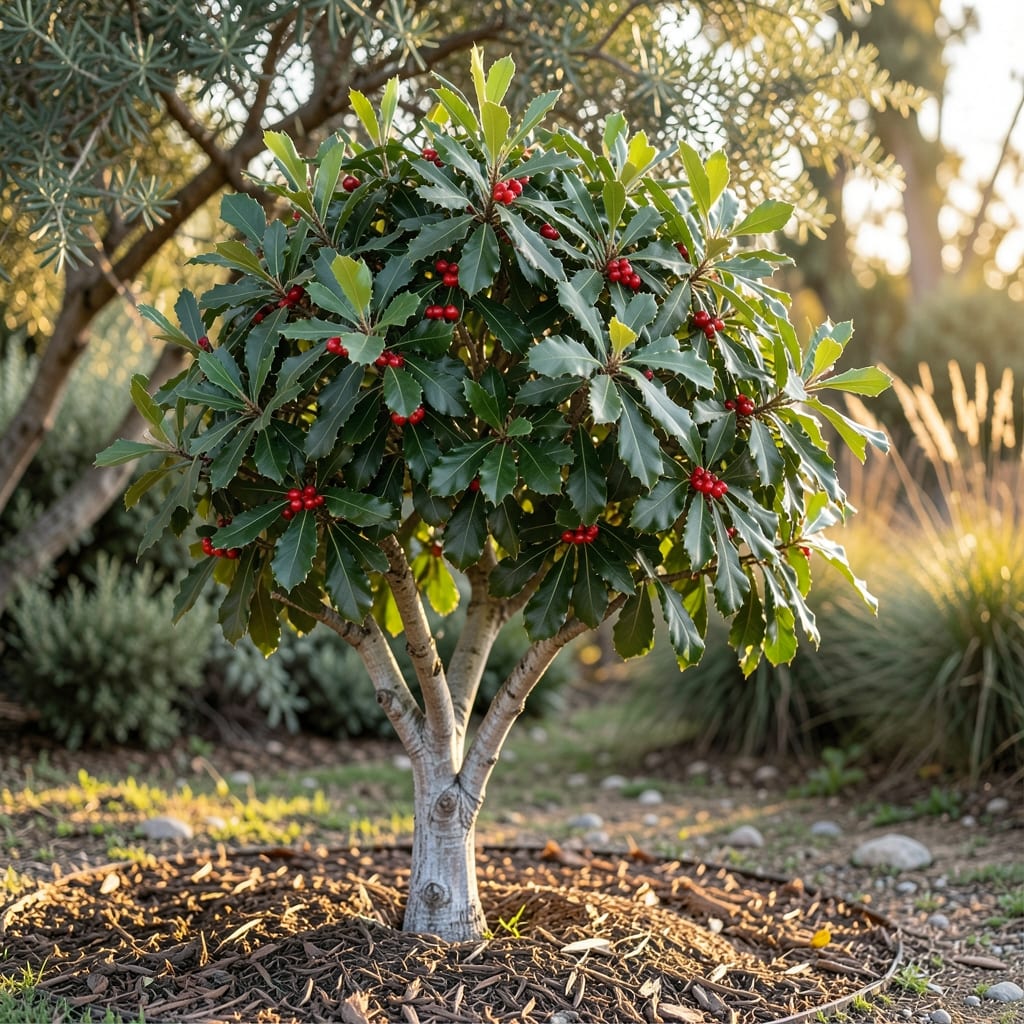
If you're wondering how tall can yaupon grow, the answer might surprise you—this native 🌿 can stretch from a manageable 3-foot hedge to a towering 20-foot tree, depending on where you live and how you care for it. Unlike fussy shrubs, yaupon thrives in tough conditions, making it a favorite for low-maintenance landscapes.
What sets yaupon apart is its adaptability. In coastal regions, it often stays compact, while inland areas can produce taller specimens. The key to controlling its height lies in pruning and planting location—something we’ll break down so you can shape it to fit your space perfectly.
Whether you’re dreaming of a privacy screen or an ornamental focal point, understanding yaupon’s growth habits helps you plan ahead. From drought-resistant roots to vibrant berries, this shrub offers both beauty and practicality—once you know how to guide its growth.
Ready to unlock the full potential of your yaupon? Let’s explore how to nurture it for the perfect height, no matter your yard’s size or climate. Your landscape deserves a plant that grows with you, not against you.


Yaupon height variations by region and growing conditions
Yaupon (Ilex vomitoria) is one of nature’s most adaptable shrubs, and its mature height can vary dramatically based on where you plant it. In coastal regions like Florida or Georgia, yaupon often stays between 6 and 12 feet tall, forming dense, rounded shrubs perfect for hedges. Meanwhile, in drier inland climates such as Texas or Oklahoma, it can reach 15 to 20 feet, sometimes even growing into a small tree with proper care.
The key factor influencing height is water availability. Yaupon thrives in well-drained soil but struggles in waterlogged conditions. In arid landscapes, its growth slows naturally, keeping it shorter, while moist, fertile soil encourages faster, taller growth. Even within the same region, a yaupon planted in a sunny, open area will outpace one growing in partial shade.
Here’s how yaupon’s height compares across different growing conditions:
| Growing Condition | Typical Height Range | Growth Habit | Best For |
|---|---|---|---|
| Coastal Plains (e.g., Florida, Georgia) | 6–12 feet | Multi-stemmed shrub | Hedges, privacy screens |
| Inland Arid Zones (e.g., Texas, Oklahoma) | 10–20 feet | Single-trunk small tree | Ornamental focal points |
| Urban Gardens (containers or small yards) | 3–8 feet | Compact shrub | Borders, small hedges |
| Full Sun, Fertile Soil | Up to 25 feet | Fast-growing shrub/tree | Large landscapes, wildlife habitats |
| Partial Shade, Poor Soil | 3–6 feet | Slow-growing shrub | Understory plants, low-maintenance areas |
Another critical factor is soil pH. Yaupon prefers slightly acidic to neutral soil (pH 5.0–7.0). In alkaline soil, growth slows, and the plant may stay shorter. If your soil tests high, amend it with peat moss or sulfur to encourage healthier, taller growth over time.
For gardeners in USDA Zones 7–10, yaupon’s height potential is highest. In colder zones (Zone 6), growth slows, and the plant may max out around 10–12 feet unless heavily fertilized. The trade-off? Colder climates often produce denser foliage and more vibrant berries, balancing height with ornamental value.
If you’re planting yaupon for wildlife, taller specimens (15+ feet) provide better bird habitat, while shorter varieties (6–10 feet) work well for hedges or foundation plantings. The berries, which ripen in fall and winter, attract birds and other wildlife, adding another layer of ecological benefit to your landscape.
Pro tip: To encourage vertical growth, plant yaupon in well-draining soil and avoid overwatering. For compact growth, prune regularly and plant in partial shade. The flexibility of yaupon makes it a standout for both small urban gardens and large rural properties.
Ready to shape your yaupon’s height? The next step is mastering pruning techniques—we’ll cover how to trim for your desired size without sacrificing health or beauty. 🌿
Yaupon height variations by region and growing conditions
Yaupon (Ilex vomitoria) shows remarkable height variation depending on where you plant it. In the coastal plains of the Southeast, these shrubs often stay between 6 and 12 feet, thriving in humid, sandy soils. Meanwhile, in arid regions like West Texas, they may reach 15 to 20 feet as small trees, stretching toward the sun for survival.
The key factor is water availability. Yaupon grows taller in drier climates because it invests energy in reaching deeper moisture. In wetter areas, it focuses on bushier growth rather than height. This adaptability makes it perfect for both privacy screens and wildlife-friendly landscapes.
Here’s how regional conditions shape yaupon’s mature height:
| Region | Typical Height | Growth Factors |
|---|---|---|
| Coastal Southeast | 6–12 ft | Humid, sandy soil, frequent rainfall |
| Central Texas | 10–15 ft | Moderate rainfall, alkaline soil |
| Arid Southwest | 15–20 ft | Limited water, rocky soil |
| Urban Gardens | 3–8 ft (pruned) | Container limits, regular trimming |
Soil type also plays a role. Yaupon prefers well-draining, slightly acidic soil (pH 5.0–6.0). Compacted or clay-heavy soils can stunt growth, keeping shrubs shorter. If your yard has poor drainage, consider amending with compost or planting in raised beds to encourage taller, healthier growth.
Another surprising factor is competition. Yaupon grows taller when planted alone or with minimal shade. In crowded landscapes, it may stay bushier but shorter. For a taller yaupon, give it space and full sun—it’ll reward you with striking vertical growth.
Pro tip: If you want a hedge-style yaupon, plant multiple shrubs close together. They’ll naturally stay compact, creating a lush, dense barrier. For a specimen plant, space them 10–15 feet apart to encourage upward growth.
🌳