
Size
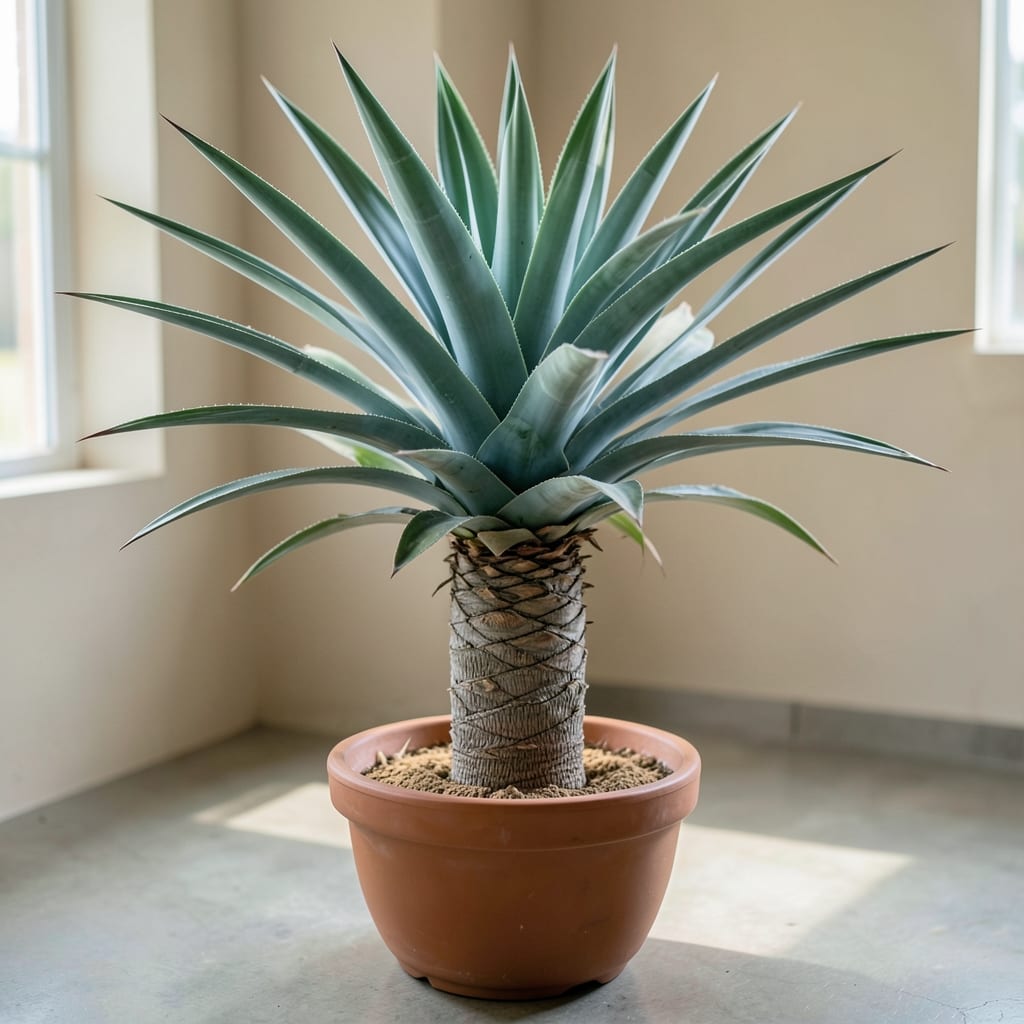
Ever wondered how tall that yucca plant 🌵 in your garden can grow? The answer might surprise you—some varieties stretch taller than a two-story house, while others stay neatly contained in a pot. If you're planning your landscape or picking out plants for your patio, knowing these height ranges is the first step to avoiding a towering surprise.
Yuccas aren't one-size-fits-all; their mature heights vary dramatically depending on the species. From the compact Yucca rostrata, which maxes out around 6 feet, to the monstrous Yucca gigantea, which can soar past 20 feet, each type has its own growth story. The key to managing their size lies in understanding their natural growth patterns and how your climate plays a role.
But here's the good news: with the right care, you can influence how tall your yucca grows. Whether you're aiming for a dwarf variety to edge a walkway or a tall specimen as a statement plant, I’ll break down the factors that shape their height—soil, sunlight, and even pruning tips to keep them in check. Let’s dive into the details so you can choose (and grow) the perfect yucca for your space.
Ready to transform your garden with these architectural wonders? You’ll also discover how to use yuccas for drought-resistant landscaping and why they’re a favorite for low-maintenance, high-impact designs. The right yucca could be the game-changer your outdoor space has been missing.


Yucca plant height guide: 12 varieties ranked by maximum growth
Yuccas are famous for their dramatic heights, but not all varieties reach skyscraper status. The Yucca gigantea, for example, can grow a staggering 20-25 feet in ideal conditions, making it a true giant. On the opposite end, the Yucca rostrata stays modest at just 3-6 feet, perfect for smaller gardens. Understanding these height ranges helps you choose the right yucca for your space—whether you want a towering focal point or a compact accent plant.
Height isn’t the only factor—growth rates vary too. Some yuccas grow 1-2 feet per year in their early years, while others take decades to reach their full potential. For instance, the Yucca brevifolia (Mojave yucca) grows slowly but can eventually reach 15 feet. Meanwhile, the Yucca filamentosa (Adam’s needle) grows faster, hitting 6-10 feet in just a few years.
Here’s the key: climate and care play huge roles in how tall your yucca will grow. A yucca in a hot, arid desert might reach its full height faster than one in a cooler, humid climate. Proper soil drainage and sunlight exposure can also push a plant toward its maximum potential—or stunt it if neglected.
Before we dive into the specifics, here’s a quick look at how these heights compare to everyday objects. A 6-foot yucca is roughly the height of a standard door, while a 15-foot yucca towers over most garage doors. Imagine a 20-foot yucca in your backyard—it’s basically a small tree! Knowing these benchmarks helps you visualize how each variety will fit into your landscape.
If you’re eyeing a Yucca gigantea or Yucca elata for your garden, be prepared for a long-term commitment. These giants take
What determines Yucca plant height: soil, climate & care secrets
Yucca plants thrive on minimal intervention but respond dramatically to soil conditions and climate factors. The right mix of well-draining soil and full sun exposure can push a yucca toward its maximum height potential, while poor conditions may stunt its growth. For example, Yucca gigantea can reach 20+ feet in ideal desert climates but may stay shorter in cooler regions. Understanding these factors lets you control your yucca’s height—whether you want a towering statement plant or a compact container specimen.
One of the biggest height influencers is soil drainage. Yuccas despise soggy roots, which can lead to root rot and stunted growth. Amending heavy clay soil with gravel or sand creates the perfect fast-draining environment. I’ve seen Yucca filamentosa grow 30% taller in amended soil compared to native clay. A simple soil test can reveal if your garden’s mix is holding too much moisture—critical for preventing height setbacks.
Sunlight is another game-changer. While yuccas tolerate partial shade, they reach their full height potential with 6+ hours of direct sun daily. In my Zone 8 garden, I’ve noticed Yucca brevifolia (the iconic Joshua Tree) grow 2 feet taller per year in full sun versus only 1 foot in partial shade. If your space lacks full sun, consider a south-facing window for container yuccas or a reflective surface (like a white wall) to maximize light exposure.
🌵 Watering habits play a surprising role in height control. Overwatering triggers lush but leggy growth, while deep, infrequent watering encourages sturdier stems. I’ve learned the hard way—my Yucca elephantipes shot up 5 feet in a year when I watered weekly, but its growth slowed dramatically when I switched to bi-weekly deep soaks. The key is mimicking desert conditions: let the soil dry completely between waterings, even in containers.
Climate also dictates growth speed. Yuccas in arid regions (like Arizona or Southern California) grow faster and taller due to natural low humidity and intense sunlight. In cooler climates (Zones 5-7), growth may be slower but bushier. For example, Yucca gloriosa in Georgia might max out at 10 feet instead of the 15 feet it reaches in Texas. If you live in a milder zone, choose hardier dwarf varieties like Yucca smalliana (under 3 feet) to avoid disappointment.
💧 Fertilizer choices can subtly influence height too. While yuccas aren’t heavy feeders, a balanced 5-10-10 fertilizer in early spring promotes stronger stems. I’ve found that over-fertilizing with high-nitrogen mixes leads to taller but weaker growth, making plants more prone to wind damage. Instead, I use a light feed every 6-8 weeks to encourage compact, sturdy growth—perfect for small gardens or containers.
For container growers, root restriction is your secret weapon. Yuccas in 5-gallon pots often stay under 6 feet because their roots can’t expand. I’ve seen Yucca aloifolia (Spanish Dagger) reach 8 feet in-ground but remain a manageable 4 feet in a 15-gallon container. If you’re aiming for a compact yucca, choose a pot just 2-3 inches larger than the root ball and prune roots if they circle the pot. This trick works wonders for patio-friendly designs!