
Vegetables
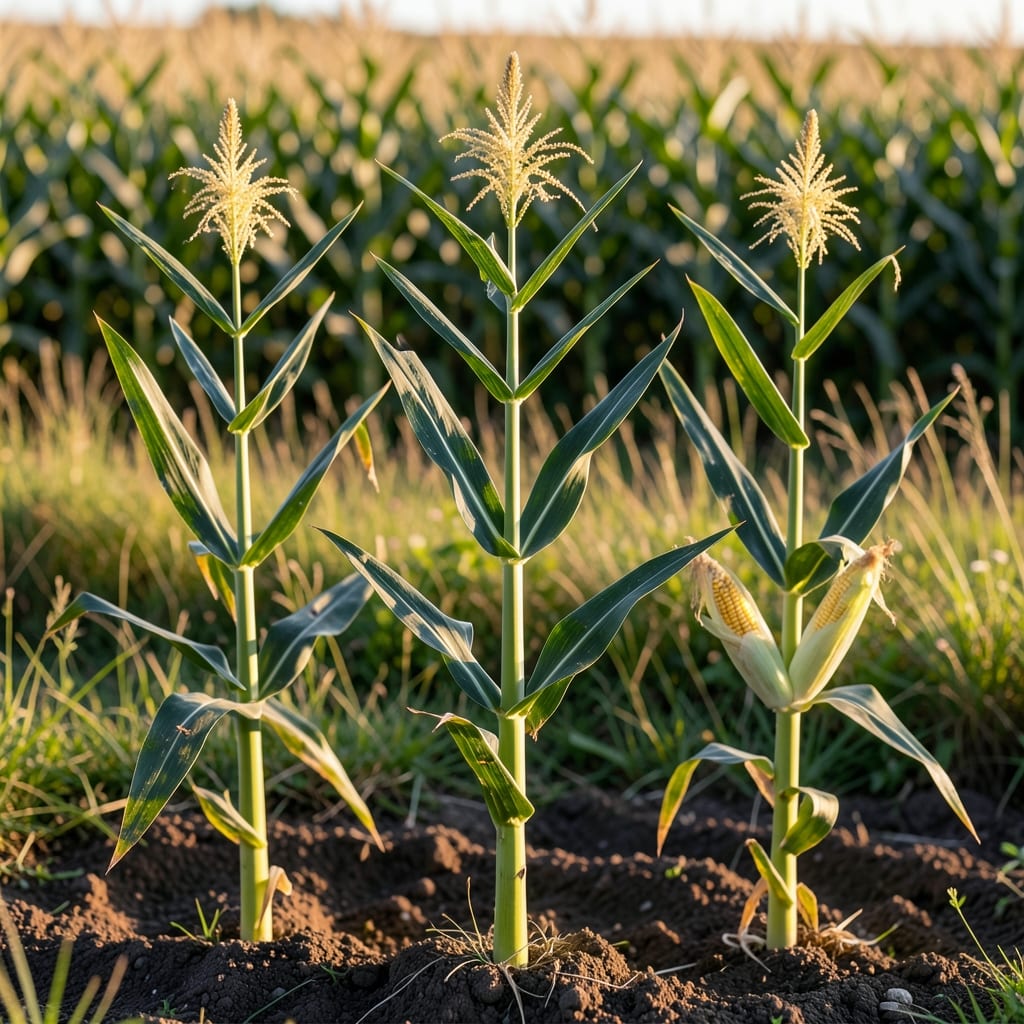
If you've ever stared at your 🌽 plants wondering how tall corn can grow, you're not alone. The height of your corn isn't just a matter of luck—it's a science tied to the variety you choose, the care you provide, and even the weather patterns in your 6a zone.
From the 3-foot dwarf varieties perfect for small gardens to towering 10-foot stalks that need extra support, corn comes in more sizes than you might think. I'll break down the key factors that determine how tall your corn grows, so you can pick the right type for your space and maximize your harvest.
Whether you're a first-time gardener or a seasoned pro, understanding these growth patterns is the key to avoiding common mistakes. Let's explore how sunlight, soil, and even planting timing can turn your corn into a lush, productive crop—or leave you scratching your head over stunted plants.
Ready to discover the secrets behind healthy, tall corn? By the end of this guide, you'll know exactly what to do to grow corn that reaches its full potential—and maybe even impress your neighbors with your green thumb.

Corn height by variety: dwarf, medium, and giant types compared
When planning your corn garden, choosing the right variety is the first step to controlling height. Some corn types stay compact at 3 feet, while others shoot up to 10 feet or more. The difference comes down to genetics, growing conditions, and your garden's space constraints. I've grown everything from dwarf varieties perfect for containers to giant stalks that need trellising support.
For small spaces or container gardening, dwarf corn varieties like 'Baby Blue' and 'Golden Bantam' are ideal. These stay between 3-5 feet tall, making them perfect for patios or urban gardens. Meanwhile, standard varieties like 'Country Gentleman' reach 8-10 feet, requiring more room and sturdy support. Let's compare the most popular types to help you pick the perfect fit for your garden.
| Variety | Height Range | Days to Maturity | Best For | Special Notes |
|---|---|---|---|---|
| Baby Blue | 3-4 ft | 60-70 days | Containers, small gardens | Sweet, blue kernels; great for kids |
| Golden Bantam | 5-6 ft | 70-80 days | Heirloom gardens, fresh eating | Classic sweet corn flavor; needs staking |
| Silver Queen | 6-8 ft | 85-95 days | Standard gardens, fresh markets | Classic sweet corn; needs consistent water |
| Country Gentleman | 8-10 ft | 90-100 days | Large gardens, homesteads | Extra-large ears; needs strong support |
| Peaches and Cream | 7-9 ft | 80-90 days | Fresh eating, canning | Bicolor kernels; disease-resistant |
If you're growing corn in containers or small spaces, stick with dwarf varieties like 'Baby Blue' or 'Golden Bantam'. These stay under 6 feet tall and produce plump ears despite their compact size. I once grew 'Baby Blue' in a 15-gallon pot and still got 6-inch ears—proof that height doesn't always equal yield!
For standard garden beds, varieties like 'Silver Queen' and 'Peaches and Cream' offer the perfect balance. They reach 7-9 feet tall, which is tall enough to maximize ear production but not so tall that they require special trellising. These are my go-to choices for fresh eating because they consistently produce large, sweet ears.
If you're aiming for maximum height and dramatic visuals, 'Country Gentleman' is the variety to plant. This giant corn can reach 10 feet or more, making it a stunning centerpiece for large gardens. However, it requires extra space and support—I've seen stalks snap under heavy ears if not properly staked. For this variety, plant seeds 12-18 inches apart and use strong bamboo stakes for support.
Remember, soil quality and sunlight play huge roles in final height. Even dwarf varieties may grow taller if given rich, well-drained soil and full sun exposure. I always test my soil's pH before planting—corn thrives in slightly acidic soil (6.0-6.8). If your soil is too alkaline, the plants may struggle to reach their full potential height.
One common mistake I see is overcrowding plants, which stunts growth. Corn needs adequate spacing to develop strong stalks. For dwarf varieties, space plants 6-8 inches apart, while tall varieties need 12-18 inches between each plant. Proper spacing ensures better airflow, reducing the risk of fungal diseases that can weaken stalks.
For visual comparison, imagine 'Baby Blue' reaching just above your waist, while 'Country Gentleman' could tower over your head.
Corn growth stages: when and how fast your plants reach full height
Corn doesn’t grow overnight—it follows a precise 12-stage development that determines how tall and productive your stalks become. Each stage brings new height milestones, from the first sprout to the final ear. Understanding these stages helps you predict growth speed and spot problems early.
Most corn varieties reach their maximum height between stages V6 and VT, where the plant shifts from rapid leaf growth to tasseling. This is when your corn’s final stature becomes clear, influenced by genetics, sunlight, and soil quality. Let’s break down each stage and how it affects height.
| Stage | Height Milestone | Days to Reach | Key Growth Task |
|---|---|---|---|
| VE (Emergence) | 0–2 inches | 5–14 days | Ensure soil moisture |
| V3–V6 | 1–3 feet | 20–40 days | Thin seedlings |
| VT (Tasseling) | 4–6 feet | 50–70 days | Monitor pollen transfer |
| R1–R3 (Ear Development) | 6–10 feet | 70–90 days | Water deeply |
| R6 (Physiological Maturity) | Full height | 90–120 days | Harvest readiness |
During stages V3–V6, corn grows fastest—adding up to 2 inches per day under ideal conditions. This rapid growth phase is critical for establishing a strong stalk. If your plants slow down here, check for nutrient deficiencies or poor drainage, which can stunt height permanently.
By stage VT (tasseling), your corn’s height becomes a reliable predictor of its final size. Tall varieties like 'Country Gentleman' will reach 8–10 feet, while dwarf types like 'Golden Bantam' max out at 5–6 feet. This is also when you’ll notice the biggest differences between well-cared-for plants and those struggling with inadequate sunlight or compaction.
In the final stages (R1–R6), growth slows as energy shifts to ear development. However, overwatering or excessive nitrogen can cause weak stalks that topple before harvest. Balance is key—especially in 6a zones where weather can be unpredictable.
Tracking these stages helps you adjust care in real time. For example, if your V6 plants are lagging, side-dress with compost or adjust watering. By understanding these milestones, you’ll grow corn that reaches its genetic potential—and maybe even surpass it.