
Size
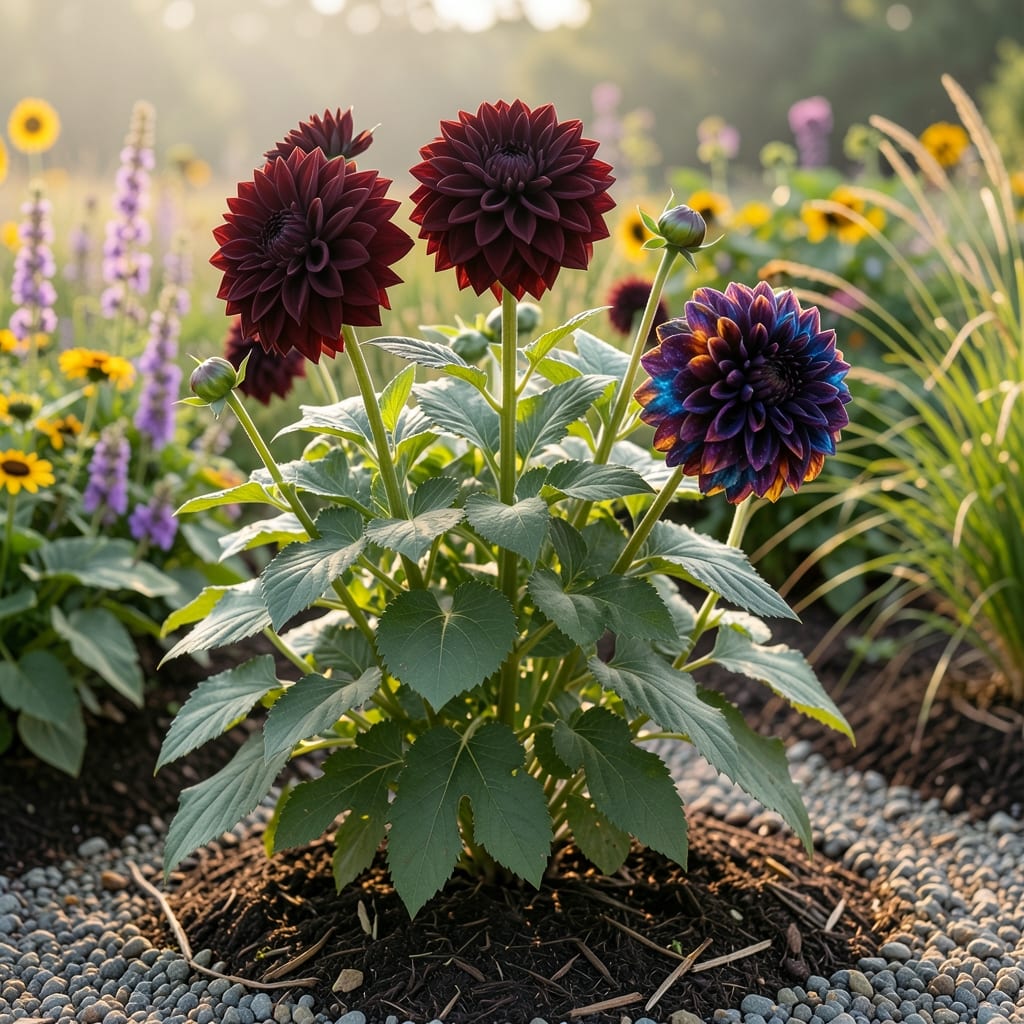
If you’ve ever planted dahlias only to be surprised by how tall they grow—or wondered why some varieties barely reach your knees while others shoot up like tree trunks—you’re not alone. The truth is, their height depends on more than just luck; it’s a mix of genetics, care, and seasonal conditions. Whether you’re dreaming of a dramatic garden backdrop or cozying up a compact variety for containers, understanding these factors is the key to getting the blooms you want.
Dahlia varieties span a stunning range, from dwarf beauties under 18 inches to giant cultivars that top 7 feet—that’s taller than most doorframes! But here’s the secret: their height isn’t set in stone. With the right soil, sunlight, and pruning, you can nudge your dahlias toward your ideal size. Think of it like training a plant athlete—give them the right conditions, and they’ll perform their best.
In this guide, I’ll break down the exact height ranges for popular varieties, share the most effective seasonal care tips to control growth, and show you how to support those sky-high stalks without risking damage. Whether you’re a backyard gardener or a container enthusiast, you’ll leave here with a clear plan to grow dahlias that fit your space—and your style.
Ready to turn your garden into a dahlia height showstopper? Let’s dive into the science and strategies that’ll have your dahlias reaching (or staying) at just the right height.


Dahlia height ranges by variety: from dwarf to giant bloomers
Dahlias aren’t one-size-fits-all—some stay compact enough for window boxes while others need the space of a small tree. The height range of dahlias depends entirely on their variety classification, which is why understanding these categories is your first step to planning a show-stopping garden. Whether you’re working with a backyard plot or container gardening, knowing the mature height of your chosen dahlia will save you from last-minute trellis scrambles or stunted blooms.
Most gardeners divide dahlias into five height categories: miniature, small, medium, tall, and giant. Each category not only influences how much space you’ll need but also how you’ll support them. For example, a miniature dahlia might fit perfectly in a hanging basket, while a giant variety could need a sturdy trellis or cage to prevent flopping—especially in windy conditions. Let’s break down what to expect from each group, so you can pick the perfect fit for your garden.
| Variety Type | Height Range | Examples | Ideal Use | Support Needs |
|---|---|---|---|---|
| Miniature | 8–18 inches | 'Tom Thumb,' 'Mignon' | Containers, borders, window boxes | None (self-supporting) |
| Small | 18–24 inches | 'Café au Lait,' 'Little Chick' | Front of beds, patio pots | Optional (light stake) |
| Medium | 2–4 feet | 'Bishop,' 'Karma Choc' | Mid-border, mixed beds | Light stake or cage |
| Tall | 4–6 feet | 'Arabian Night,' 'Galaxy' | Back of borders, focal points | Sturdy stake or cage |
| Giant | 6–7+ feet | 'Black Narcissus,' 'Moulin Rouge' | Trellises, large containers, dramatic backdrops | Heavy-duty trellis or cage |
One of the most exciting things about dahlias is how their height can change year to year. In their first year, even giant varieties might only reach 2–4 feet, but with proper care, they’ll often double or triple in height by their second or third year. For example, the 'Black Narcissus' dahlia—famous for its dramatic dark blooms—can start at 4 feet in its first year but easily surpass 6 feet with ideal growing conditions. This is why many gardeners save their favorite tubers year after year; the plants grow taller and more robust with age.
If you’re working with limited space, don’t overlook dwarf and semi-dwarf varieties. These are perfect for container gardening or small urban gardens. Varieties like 'Tom Thumb' stay under 12 inches, making them ideal for hanging baskets or window boxes. Even in containers, they’ll thrive as long as you use a well-draining potting mix and provide 6+ hours of sunlight. Pro tip: Mix in a slow-release fertilizer at planting time to give them a nutrient boost without the risk of overfeeding.
For those of us with bigger spaces—or a love for dramatic garden statements—tall and giant dahlias are where it’s at. These varieties often produce larger, showier blooms, but they require more planning. A 6-foot dahlia needs at least 18 inches of space around it to avoid overcrowding, and its stems can get heavy with blooms. That’s why installing a support system early (like a tomato cage or bamboo stake) is a game-changer. Without support, their stems can flop over, leading to broken branches or missed blooms
Seasonal care tips to maximize (or control) dahlia height growth
Dahlia height isn’t just about genetics—it’s a seasonal dance between sunlight, nutrients, and your hands-on care. In spring, focus on establishing strong roots and stems before flowering begins. I’ve found that light feeding with a balanced fertilizer (like 5-10-10) every 4-6 weeks encourages steady growth without overpowering the plant. Think of it as giving your dahlias a growth jumpstart before they shoot up.
As summer arrives, dahlias enter their rapid growth phase. This is when they’ll either reach their full height potential or struggle if neglected. I always increase watering frequency to every 3 days (or more in extreme heat) to prevent leggy stems. A trick I swear by? Watering deeply in the morning reduces fungal risks while keeping roots hydrated. Too little water here, and your tall varieties might flop like overcooked noodles.
🌱
🌿 Key Takeaways for Height Control
- Spring: Light feed + stake early for tall varieties
- Summer: Deep water + prune leggy stems to encourage bushiness
- Fall: Reduce water + fertilize lightly to prep for dormancy
- Winter: Cut back stems + store tubers in dry, cool conditions
Pruning plays a critical role in managing height. For tall dahlias (5+ feet), I recommend pinching back the main stem when it reaches 12-18 inches to encourage lateral branches. This creates a stronger, bushier plant that’s less likely to flop. For dwarf varieties, avoid heavy pruning—they thrive on minimal intervention. I’ve seen 'Little Gem' dahlias stay compact with just a light trim of dead flowers, while 'Galaxy' giants need regular support to reach their 7-foot potential.
One mistake I see often is over-fertilizing in late summer. Too much nitrogen here will send your dahlias into a leafy growth spree at the expense of blooms. Instead, switch to a phosphorus-rich fertilizer (like 10-20-10) to encourage flowering. I also reduce watering slightly in September to signal the plant it’s time to prepare for dormancy. This subtle shift can prevent sudden height surges and keep your dahlias healthy through winter.
Climate matters too! In hot, dry regions, dahlias may grow taller but leggier due to stress. I’ve had success using mulch to retain moisture and shade cloth during peak afternoon sun. For cooler climates, dahlias might grow more slowly—so I extend the growing season with row covers or choose early-blooming varieties like 'Café au Lait', which matures quickly at 3-4 feet.
Finally, don’t forget that first-year dahlias are often shorter (2-4 feet) than mature plants (4-7 feet). If you’re growing from tubers, I recommend planting them slightly deeper (4-6 inches) to encourage stronger stems. And if you’re container gardening, choose dwarf varieties or use large pots with trellises—your dahlias will thank you with compact, vibrant blooms.
✂️