
How To
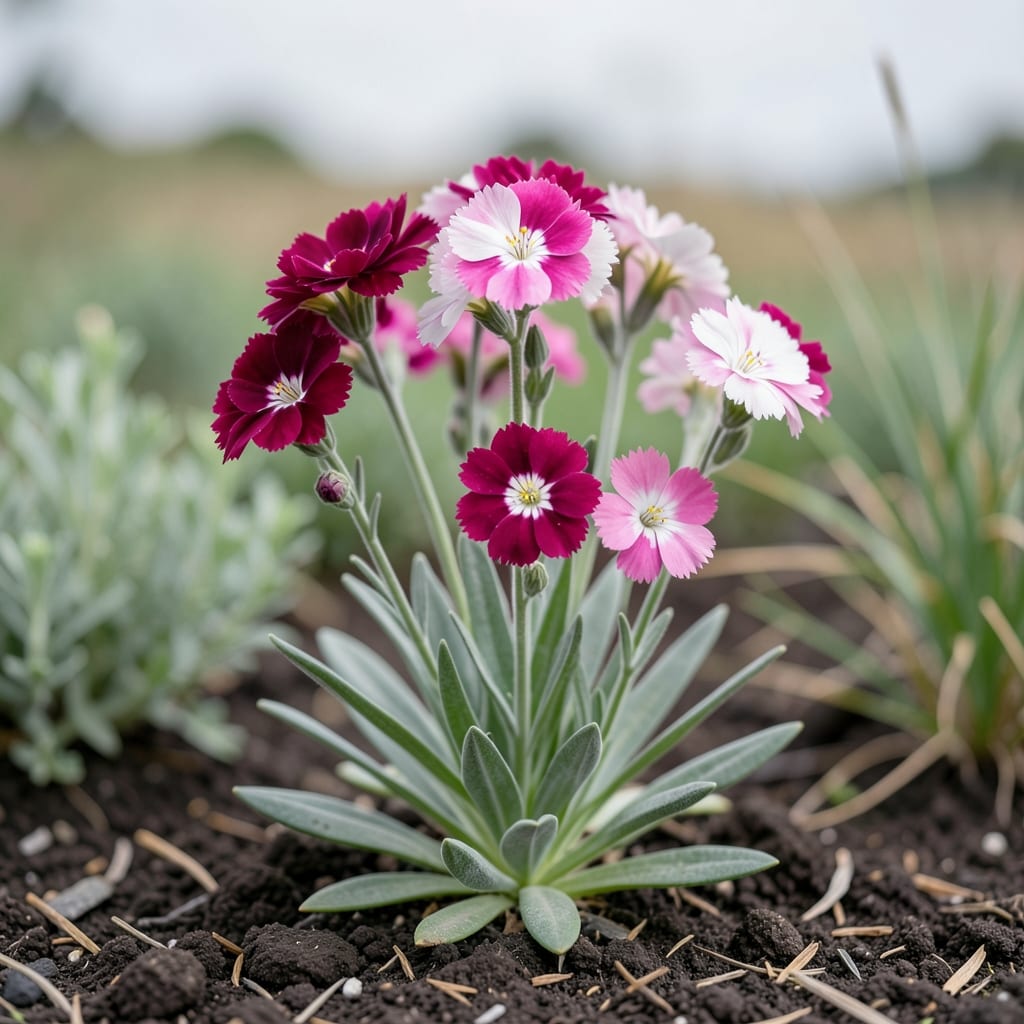
If you're wondering how tall Dianthus grow, you're in for a pleasant surprise—these cheerful 🌸 perennials stay compact while delivering bold color year after year. Unlike towering shrubs, dianthus typically max out at 12-18 inches, making them perfect for borders, containers, or even window boxes where space is limited.
Their height isn’t just about aesthetics—it’s also about adaptability. Whether you’re growing sweet williams or pinks varieties, these plants thrive in USDA Zone 6a with minimal fuss. The key? Plant them in well-draining soil and give them full sun, and they’ll reward you with continuous blooms from spring through summer.
But here’s the best part: you can easily control their height with simple pruning. Deadheading spent blooms keeps them bushier, while a light trim after flowering prevents legginess. This makes dianthus a low-maintenance choice for gardeners who love color without the upkeep.
Ready to add these versatile perennials to your garden? I’ll walk you through everything you need to know to keep them at your ideal height—whether that’s 6 inches for a neat edge or 18 inches for a fuller look. Let’s get started!


Dianthus height variations: species and cultivar breakdown by growth range
When you’re planning your garden, knowing how tall dianthus grow helps you choose the right varieties for your space. Most dianthus stay between 6 and 18 inches tall, but the exact height depends on the species and cultivar. For example, Dianthus barbatus (sweet williams) typically reach 12-18 inches, while Dianthus deltoides (pinks) often max out at 6-12 inches. These differences make them ideal for borders, rock gardens, or containers.
If you love compact blooms, dwarf varieties like 'Firewitch' or 'Matrona' stay under 10 inches. On the other hand, taller cultivars like 'Mystic Tides' can grow up to 18 inches, perfect for adding height to mixed borders. The key is matching the variety to your garden’s layout and your vision for its look.
Here’s a quick comparison to help you visualize the differences:
| Variety | Height Range | Best For | Notes |
|---|---|---|---|
| Dianthus barbatus (Sweet Williams) | 12-18 inches | Borders, cottage gardens | Bushy, fragrant blooms; great for cutting. |
| Dianthus deltoides (Pinks) | 6-12 inches | Rock gardens, containers | Delicate, clustered flowers; drought-tolerant. |
| Dianthus chinensis | 10-14 inches | Mixed borders, pollinator gardens | Heat-tolerant; attracts bees and butterflies. |
| Dwarf varieties (e.g., 'Firewitch') | 6-10 inches | Window boxes, edging | Perfect for small spaces; minimal pruning needed. |
| Standard varieties (e.g., 'Mystic Tides') | 16-18 inches | Back of borders, mass plantings | Taller stems; ideal for adding vertical interest. |
For first-year growth, dianthus usually stay on the shorter side, around 6-12 inches. But by their second year, they’ll reach their mature height of 12-18 inches, depending on the variety. This gradual growth makes them easy to integrate into existing garden designs without overwhelming your space.
If you’re growing dianthus in containers, choose dwarf varieties to keep them manageable. A 10-inch-tall plant fits perfectly in a window box or hanging basket, while taller varieties may need deeper pots to support their stems. Always ensure your container has drainage holes to prevent root rot.
Another tip: if you’re planting dianthus near taller perennials like lavender or salvia, the height difference creates a natural tiered effect. The 6-12 inch range of dianthus acts as a colorful understory, drawing the eye upward while adding texture to your garden.
For year-round interest, pair taller dianthus with evergreen ground covers like creeping thyme or ajuga. This combo keeps your garden vibrant even when dianthus aren’t in bloom. Just be sure to space them 12-18 inches apart to avoid overcrowding as they mature.
Remember, the height of dianthus isn’t set in stone—it’s influenced by care practices like pruning and sunlight. With the right conditions, you can coax even taller blooms from standard varieties or keep dwarf types neatly trimmed. Let’s explore how to control their growth in the next section!
Factors that influence dianthus height: soil, sunlight, and pruning tips
If you’re curious about how tall dianthus grow in your garden, the answer isn’t just about the variety—it’s also about the care you provide. While most dianthus stay between 6 and 18 inches, their final height can shift based on three key factors: soil quality, sunlight exposure, and pruning habits. Let’s break down how each of these influences growth so you can tailor your care for your ideal height.
First, soil fertility plays a huge role. Dianthus thrive in well-draining, slightly alkaline soil with a pH between 6.0 and 7.5. If your soil is too rich, your plants may grow taller but leggier, with fewer blooms. To keep them compact and bushy, amend heavy soil with sand or perlite and avoid over-fertilizing. A light application of balanced fertilizer (5-10-10) in spring is enough—too much nitrogen can send your dianthus shooting up like weeds instead of producing flowers.
Here’s a quick guide to adjusting soil for optimal growth:
Soil Secrets for Compact Dianthus
- Test soil pH: Aim for 6.0-7.5 (use a kit or send a sample to your local extension office).
- Avoid clay soil: Mix in compost and sand to improve drainage.
- Light feeding: Use 5-10-10 fertilizer sparingly—too much causes leggy growth.
- Mulch lightly: Use gravel or straw to retain moisture without suffocating roots.
Next, sunlight exposure directly impacts height. Dianthus are sun-lovers, needing at least 6 hours of direct sun daily to reach their full potential. When grown in partial shade, they’ll stay shorter but may produce fewer blooms. For taller stems, place them in full sun—this encourages upright growth and vibrant flowers. However, if you’re aiming for a bushier, more compact look, a spot with morning sun and afternoon shade can help.
Finally, pruning techniques are your best tool for controlling height. Regular deadheading (removing spent blooms) encourages continuous flowering and prevents legginess. For taller varieties like 'Mystic Tides', a light shear after the first flush of blooms can promote bushier growth. If your dianthus are getting too tall or floppy, trim back one-third of the stems in early summer to encourage a fuller, more compact shape. Just avoid heavy pruning in fall—this can reduce winter hardiness.
For container-grown dianthus, pruning is especially important. Since pots limit root space, your plants may grow taller and thinner without regular maintenance. Pinch back new growth tips when plants are 6 inches tall to encourage branching. This keeps them under 12 inches even in standard varieties, making them perfect for balcony gardens or window boxes.
One common mistake gardeners make is over-pruning in late summer. This can stunt next year’s blooms, so always stop pruning by mid-August to allow new growth to harden off before winter. With the right balance of soil, sun, and pruning, you can easily adjust dianthus height—whether you want a neat 6-inch border or a lush 18-inch display. The key is consistency!