
How To
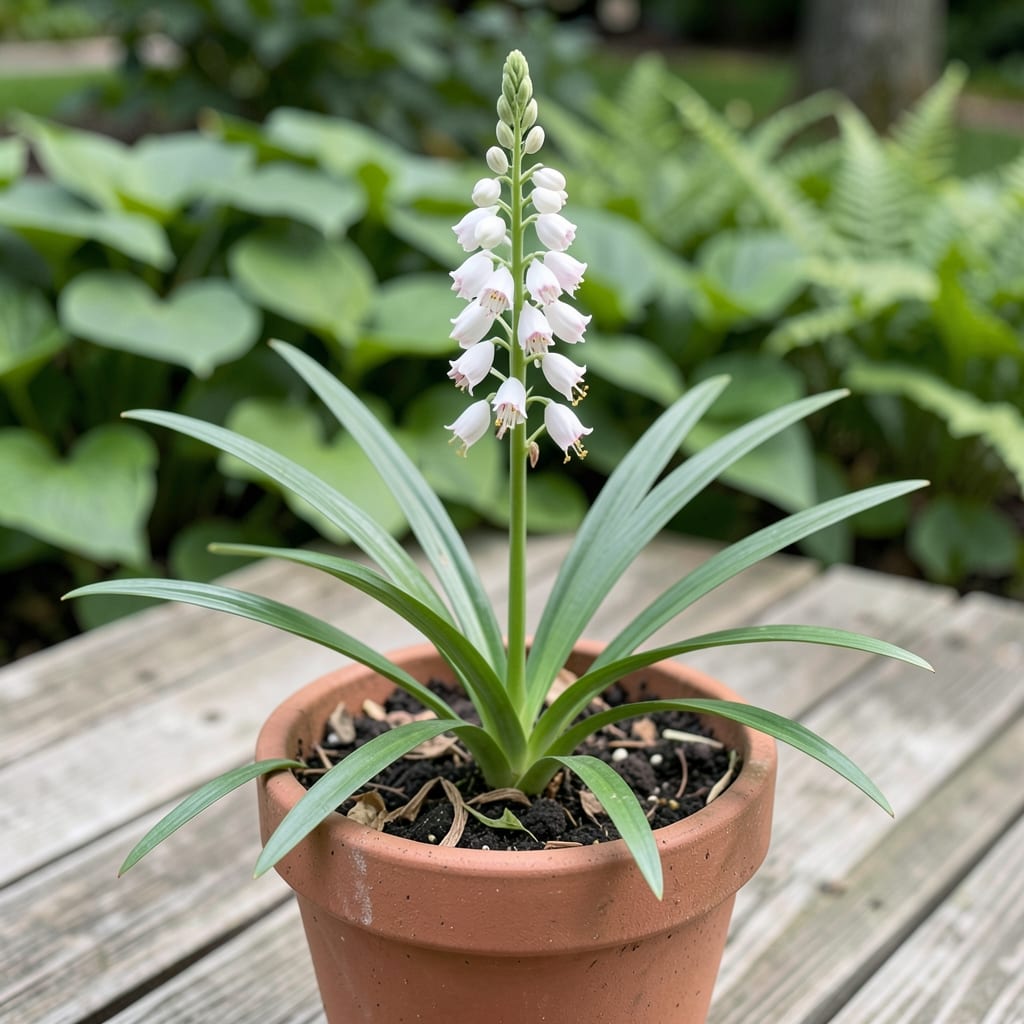
Wondering how tall do Acidanthera grow before they become a space hog in your garden? This stunning 🌸 Acidanthera plant—often called the Coral Lily—typically reaches between 12 to 24 inches at maturity, making it perfect for borders, containers, or even as a striking focal point.
But here’s the thing: its height isn’t set in stone. Varieties like Acidanthera muricata stay compact, while others can stretch taller with the right care. Whether you’re working with USDA Zone 6a conditions or a cozy patio setup, understanding these growth patterns helps you plan your garden layout without surprises.
Sunlight, soil, and pruning play a huge role in whether your Acidanthera stays on the shorter side or leans toward its maximum height. I’ll break down the key factors so you can encourage the size that fits your space—whether you want a neat hedge or a dramatic spring display.
Ready to learn how to nurture this beauty to its ideal height? Let’s dive into the care secrets that’ll keep your Acidanthera thriving year after year.


Acidanthera height ranges by variety: what to expect from dwarf to giant types
When you bring Acidanthera into your garden, its mature height depends heavily on the specific variety you choose. Most gardeners plant this stunning 🌸 Coral Lily for its dramatic foliage and striking blooms, but its size varies dramatically—from compact clumps to taller, more statuesque plants. Understanding these differences helps you pick the perfect variety for your space, whether it’s a container garden or a border planting.
The most popular Acidanthera varieties fall into three general height categories: dwarf (12–18 inches), medium (18–24 inches), and taller types (up to 30 inches). Each thrives in USDA Zone 6a and beyond, making them versatile for many climates. Let’s explore the specifics so you can plan your garden layout with confidence.
| Variety | Mature Height | Notes |
|---|---|---|
| Acidanthera muricata | 12–18 inches | Compact, bushy growth; ideal for containers or borders |
| Acidanthera bicolor | 18–24 inches | Medium height; striking bicolor blooms; thrives in partial shade |
| Acidanthera venusta | 24–30 inches | Taller variety; needs more space; perfect for backdrop planting |
| Acidanthera 'Coral Beauty' | 16–22 inches | Hybrid with vibrant coral blooms; great for small gardens |
If you’re working with limited space, Acidanthera muricata is my top recommendation. This dwarf variety stays under 18 inches tall and wide, making it perfect for patio containers or window boxes. Its bushy habit also makes it a great choice for hedge training, which we’ll cover later in the article.
For a more dramatic look, Acidanthera venusta reaches its full potential at 24–30 inches, making it ideal for backdrop planting or as a focal point in a shaded garden area. This variety loves partial shade and well-draining soil, so if your garden has a woodland feel, it’ll thrive beautifully there.
One question I get often is whether Acidanthera height changes yearly. The answer is yes! In their first year, most varieties grow to about 12–18 inches. By year two, they’ll reach their mature height of 18–24 inches, depending on the variety. Proper pruning and fertilization can encourage fuller growth, but avoid over-fertilizing—this can lead to leggy, weak stems.
Another pro tip: If you’re planting multiple Acidanthera together, space them 12–18 inches apart to allow for airflow and prevent overcrowding. This spacing also makes it easier to prune and maintain their shape over time. For container gardening, a 12-inch pot is perfect for dwarf varieties, while larger pots (up to 18 inches) work well for taller types.
Finally, remember that Acidanthera is a perennial in warmer climates (Zones 8–11), but in Zone 6a, it often dies back in winter and regrows in spring. This means you can replant bulbs yearly for a fresh display each season. The key to consistent height is planting bulbs 6 inches deep and ensuring they get the right amount of sunlight and moisture.
Now that you know the height ranges, let’s talk about how to control Acidanthera growth—whether you want it taller, shorter, or just the right size for your garden. Stay tuned for the next section on sunlight, soil, and pruning tips to fine-tune your plant’s height! 🌿
Factors that influence Acidanthera growth height: sunlight, soil, and pruning tips
Your Acidanthera plant’s height isn’t just about genetics—it’s heavily influenced by the environment and care you provide. Sunlight exposure is the biggest factor: too much direct sun can stretch stems, while too little shade keeps growth compact. Aim for 4-6 hours of morning sun followed by afternoon shade to encourage balanced, sturdy growth.
Soil quality also plays a critical role. Well-draining, slightly acidic soil (pH 6.0-6.5) helps roots absorb nutrients efficiently, supporting healthy growth. Amend heavy clay with compost to prevent root rot, which can stunt height. I’ve found that organic matter-rich soil produces Acidanthera plants that reach their full potential height faster.
🌱 Key Growth Factors for Acidanthera Height
- Sunlight: 4-6 hrs morning sun → 12-24" height
- Soil: Well-draining, acidic → faster growth
- Pruning: Trim after flowering → compact shape
- Water: Deep weekly soaks → stronger stems
Note: Overwatering or poor drainage can reduce height by up to 30%.
Pruning is another game-changer for controlling height. After the flowering season (typically late spring), I recommend light trimming to remove dead blooms and encourage bushier growth. For varieties like Acidanthera bicolor, aggressive pruning can keep them under 18 inches, while minimal pruning lets them reach 24 inches or more.
Humidity levels matter too—higher humidity (like in greenhouses or coastal gardens) can make Acidanthera grow taller and more lush. If you’re in a dry climate, consider mulching around the base to retain moisture and support steady growth. I’ve seen plants in arid zones stay 10-15% shorter without proper moisture retention.
Finally, fertilization timing affects height. Apply a balanced 10-10-10 fertilizer in early spring when shoots emerge, but avoid heavy feeding after midsummer. Over-fertilizing can lead to leggy growth, which reduces overall plant stability and height potential.
By mastering these factors, you’ll ensure your Acidanthera grows to its ideal height—whether you want a neat 12-inch border plant or a showstopping 24-inch specimen. Experiment with these tips and watch your Coral Lily thrive! 🌿