
Flowers
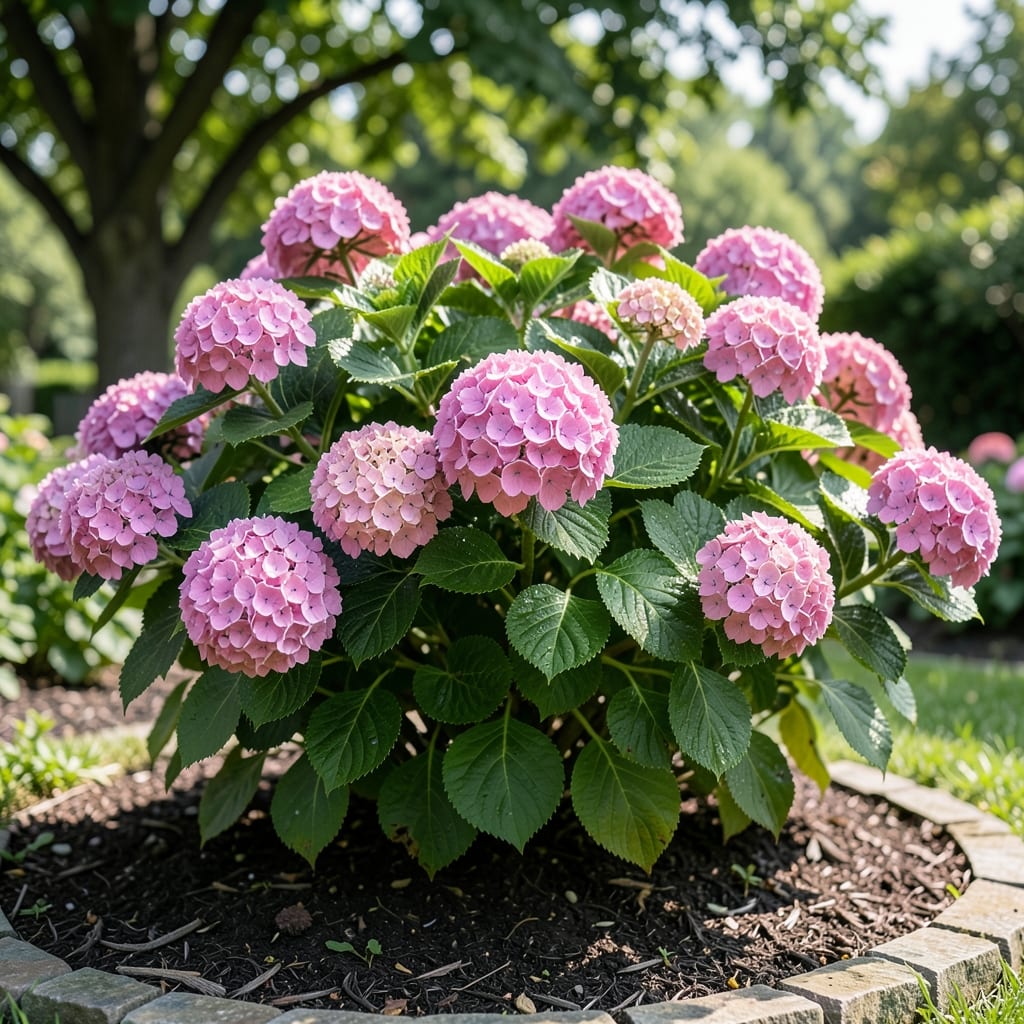
If you're dreaming of a lush garden but wondering "how tall and wide do hydrangeas grow", the answer might surprise you—these 🌸 blooming beauties come in sizes ranging from compact shrubs to towering giants, depending on the variety. Whether you're planning a cozy patio corner or a bold backyard statement, knowing their mature dimensions is key to spacing them just right for stunning results.
Picture this: a mophead hydrangea reaching up to 6 feet tall with a spread of 4-5 feet, while a panicle variety might stretch to 8 feet or more. These differences aren’t just about aesthetics—they directly impact airflow, sunlight exposure, and even how often you’ll need to prune. For smaller spaces, dwarf varieties stay under 3 feet, making them perfect for containers or tight borders.
But here’s the catch: size isn’t set in stone. Soil quality, sunlight, and pruning habits can push a hydrangea to grow bigger—or keep it neatly contained. Too much shade might stunt its height, while rich, well-draining soil could encourage lush, sprawling growth. The right spacing now saves you headaches later when branches start crowding out your favorite walking path.
Ready to turn your garden into a hydrangea haven? I’ll break down the exact dimensions for popular varieties, plus pro tips for managing their growth—whether you’re working with 6a zone conditions or a sunny urban balcony. Let’s get those blooms thriving!


Hydrangea growth sizes by popular variety: height and width guide
Hydrangeas are like the divas of the garden—they command attention, but their mature size can vary wildly depending on the variety. If you’re planning your garden layout, knowing these dimensions is crucial. For example, a mophead hydrangea like 'Endless Summer' typically reaches 4-5 feet tall and spreads 3-4 feet wide, while a panicle hydrangea such as 'Limelight' can soar up to 8 feet tall with a 6-foot spread. These differences aren’t just about aesthetics; they directly impact airflow, sunlight exposure, and even how often you’ll need to prune.
But here’s the twist: size isn’t fixed. Factors like soil quality, sunlight exposure, and pruning habits can push a hydrangea to grow bigger—or keep it neatly contained. Too much shade might stunt its height, while rich, well-draining soil could encourage lush, sprawling growth. The right spacing now saves you headaches later when branches start crowding out your favorite walking path.
To help you visualize, here’s a quick breakdown of 12 popular hydrangea varieties and their mature dimensions. This guide will help you decide whether a variety is perfect for your container garden, border planting, or as a backyard focal point.
| Variety | Type | Mature Height | Mature Width | Pruning Notes |
|---|---|---|---|---|
| Endless Summer | Mophead | 4-5 ft | 3-4 ft | Prune after flowering or in late winter |
| Limelight | Panicle | 6-8 ft | 5-6 ft | Prune in late winter to shape |
| Annabelle | Panicle | 3-5 ft | 3-4 ft | Deadhead spent blooms for continuous flowers |
| Oakleaf | Oakleaf | 6-12 ft | 6-10 ft | Minimal pruning; remove dead wood in late winter |
| Little Lime | Panicle | 2-3 ft | 2-3 ft | Great for containers; prune lightly after flowering |
| Nikko Blue | Lacecap | 4-6 ft | 3-5 ft | Prune in late winter to encourage new growth |
| Vanille Fraise | Panicle | 4-5 ft | 3-4 ft | Prune in late winter for best blooms |
| PeeGee | Panicle | 8-10 ft |
How to choose hydrangea spacing for healthy growth and bloomsSpacing your hydrangeas correctly isn't just about aesthetics—it's about giving them room to thrive. Too close, and you risk crowded growth, poor airflow, and fungal diseases. Too far apart, and your garden might look sparse. For mophead varieties like 'Endless Summer,' aim for 4-5 feet of space between plants. This ensures they have enough room to reach their 3-4 foot width without competing for nutrients. For the panicle types like 'Limelight,' which can stretch up to 8 feet tall and 6 feet wide, give them at least 6-8 feet of clearance. These giants need space to flourish and avoid shading out smaller plants. If you're planting near a fence or wall, leave 3-4 feet of clearance to prevent root competition and allow for proper airflow around the stems. Now, let’s talk dwarf varieties like 'Little Lime,' which max out at 2-3 feet in both height and width. These are perfect for containers or tight borders, but even they need 2-3 feet of space if planted in the ground. Overcrowding can lead to stunted blooms and increased susceptibility to pests. 🌱 Hydrangea Spacing by Variety
Pro tip: If you're planting hydrangeas in rows, space them 2-3 feet apart within the row and 4-6 feet apart between rows. This creates a balanced airflow system that reduces humidity around the foliage, cutting down on powdery mildew risks. For urban gardens with limited space, consider vertical gardening—train climbing varieties like 'Miranda' on trellises or arbors to save ground space while still enjoying their 6-10 foot height. Don’t forget to consider future growth. A hydrangea that’s 3 feet tall now could easily double in size over 3-5 years. Plan accordingly, especially if you’re planting near paths, patios, or other structures. When in doubt, err on the side of more space—your hydrangeas will thank you with bigger, healthier blooms all season long. Finally, think about soil conditions and sunlight exposure. Hydrangeas in partial shade may grow slightly taller but could be more sprawling in width. If your garden gets full sun, expect slightly compact growth but potentially more vibrant blooms. Adjust spacing based on these factors to keep your hydrangeas happy and your garden looking its best. |