
Size
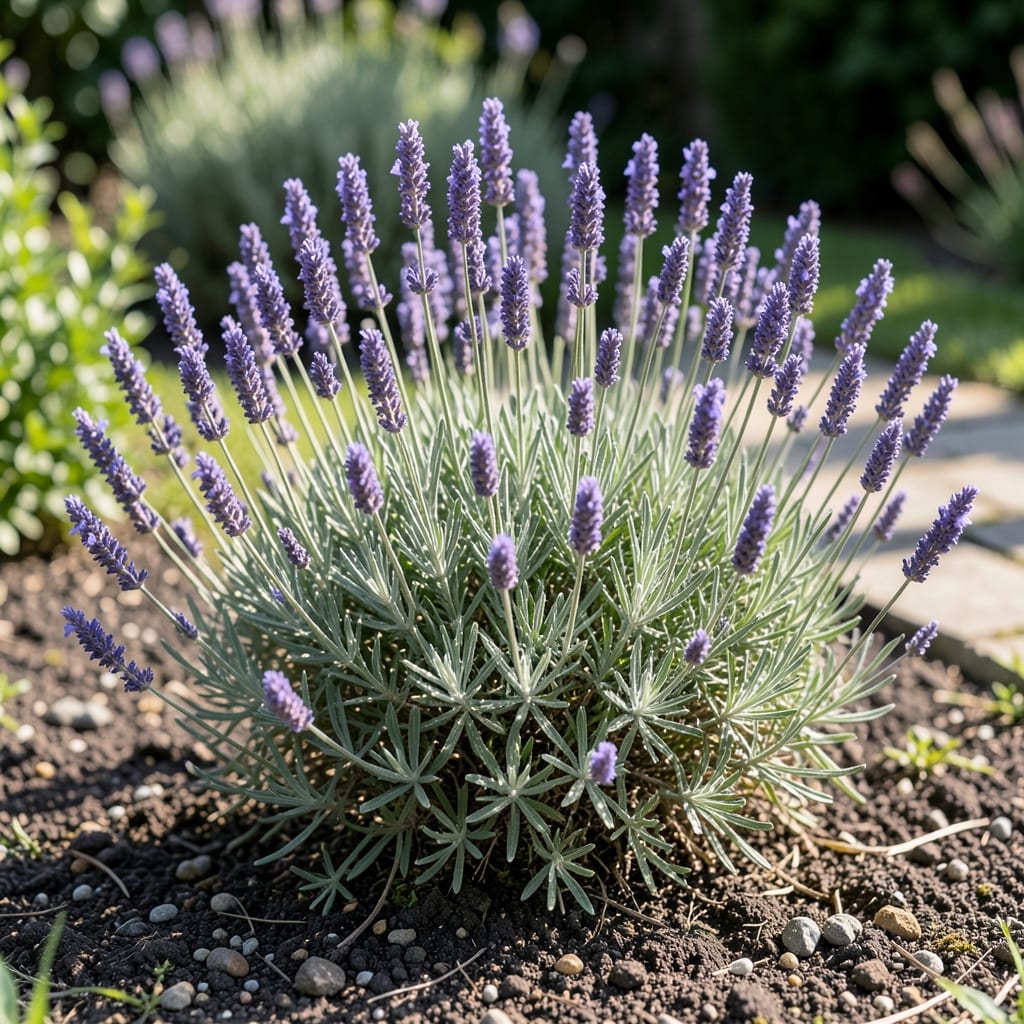
If you're planning your garden and wondering how tall and wide lavender grows, the answer isn't one-size-fits-all—it depends on the variety you choose. Some stay compact enough for window boxes, while others reach nearly waist-high, influencing everything from spacing to pruning strategies.
English lavender, for example, typically matures between 1 to 2 feet tall and spreads about 2 to 3 feet wide, making it ideal for borders or mixed containers. Meanwhile, Spanish lavender can stretch up to 4 feet tall with a 3 to 4-foot spread, demanding more room and regular trimming to keep it tidy.
Understanding these dimensions is the key to avoiding overcrowding and ensuring your lavender thrives. Whether you're designing a fragrant hedge or a small herb garden, spacing plants correctly based on their mature size will save you from future pruning headaches.
Ready to learn how to space your lavender for optimal growth? I’ll break down the best practices for planting, pruning, and maintaining your lavender’s ideal shape—no matter the variety.

Lavender growth dimensions by popular varieties (height & spread guide)
Lavender’s mature size isn’t just about aesthetics—it directly impacts your garden’s layout, airflow, and even pest control. English lavender, the most common type, typically reaches 1 to 2 feet tall with a 2 to 3-foot spread, making it perfect for borders or small hedges. Spanish lavender, on the other hand, can tower up to 4 feet tall with a 3 to 4-foot spread, requiring more space and regular pruning to maintain shape.
Dwarf varieties like 'Hidcote' or 'Munstead' stay under 1 foot tall and spread just 1 to 2 feet wide, ideal for window boxes or container gardening. Meanwhile, French lavender varieties often bridge the gap, growing 2 to 3 feet tall with a 2 to 3-foot spread, offering a balance between height and manageability.
Understanding these dimensions helps you avoid overcrowding, which can lead to poor airflow and increased risk of fungal diseases. For example, planting Spanish lavender too close together will force you to prune aggressively just to keep it from becoming a tangled mess. Conversely, dwarf varieties can be spaced tightly for a dense, fragrant border.
Here’s a quick reference for spacing based on mature size:
| Variety | Mature Height | Mature Spread | Best For |
|---|---|---|---|
| English Lavender (e.g., 'Munstead', 'Hidcote') | 1–2 ft | 2–3 ft | Borders, small hedges, containers |
| Spanish Lavender (e.g., 'Papillon', 'Bandera') | 3–4 ft | 3–4 ft | Back of borders, tall hedges |
| French Lavender (e.g., 'Grosso', 'Provence') | 2–3 ft | 2–3 ft | Mixed borders, pollinator gardens |
| Dwarf Varieties (e.g., 'Loddon Pink', 'Kew Red') | 8–12 in | 1–2 ft | Window boxes, rock gardens, containers |
When planning your garden, consider not just the mature height but also the spread. For instance, Spanish lavender might fit in a narrow bed if planted in a single row, but its wide spread means you’ll need to leave at least 3 feet between plants if growing multiple rows. Always check the specific variety’s tags, as some hybrids exceed these averages.
Another critical factor is pruning habits. Regular pruning after flowering encourages bushier growth, which can slightly increase spread but keeps the plant compact. For example, 'Munstead' lavender left unpruned can spread 4 feet wide, while pruned plants stay closer to 2 feet. Always use clean, sharp shears to avoid damaging stems.
For container gardening, dwarf varieties thrive in 5-gallon pots with 1 to 2 feet of space between plants. Larger varieties like Spanish lavender need at least 15-gallon pots to accommodate their root systems. Ensure pots have drainage holes to prevent root rot, a common issue with overwatered lavender.
Pro tip: If you’re unsure about spacing, err on the side of more space. Lavender hates competition for water and nutrients, so giving it room to breathe will result in healthier, longer-lived plants. And remember—lavender’s fragrance and pollinator appeal make the extra space well worth it!
🌿
Lavender growth dimensions by popular varieties (height & spread guide)
When planning your lavender garden, knowing the mature height and spread of each variety is essential. Lavender ranges from dwarf varieties under a foot tall to tall varieties reaching waist height, and their spread can vary just as dramatically. Proper spacing ensures airflow, prevents disease, and allows each plant to reach its full potential.
The most popular lavender types fall into distinct size categories: dwarf (8-12 inches), semi-dwarf (1-2 feet), and standard (2-4 feet). English lavender, for example, is a semi-dwarf that stays compact, while Spanish lavender can grow tall and bushy. Let’s explore the exact dimensions for each type so you can choose the perfect fit for your garden layout.
🌿 Visual Reference: Imagine a dwarf lavender as the height of a standard coffee mug (10 inches), a semi-dwarf reaching a baseball bat (2 feet), and a standard variety towering like a child’s height (3-4 feet). These comparisons help visualize spacing needs before planting.
| Variety | Mature Height | Mature Spread | Best For | Spacing |
|---|---|---|---|---|
| English Lavender (e.g., 'Munstead') | 18-24 inches | 24-36 inches | Borders, containers, hedges | 18-24 inches apart |
| French Lavender (e.g., 'Grosso') | 24-30 inches | 36-48 inches | Back of borders, mass plantings | 24-30 inches apart |
| Spanish Lavender (e.g., 'Papillon') | 36-48 inches | 36-60 inches | Large gardens, hedges, wildlife areas | 36-48 inches apart |
| Dwarf Lavender (e.g., 'Hidcote') | 8-12 inches | 12-18 inches | Window boxes, rock gardens | 12 inches apart |
| Hybrid Lavender (e.g., 'Provins') | 24-36 inches | 24-36 inches | Mixed borders, pollinator gardens | 20-24 inches apart |
🌱 Pro Tip: Always plant lavender in well-draining soil to prevent root rot, which can stunt growth and reduce spread.
If you’re designing a lavender hedge, opt for French or Spanish varieties for height and density. For containers or small gardens, English or dwarf lavender will fit perfectly without overwhelming the space. Always leave extra room for pruning adjustments, as regular trimming can encourage bushier growth and wider spread over time.
For example, my Spanish lavender in the backyard now spans nearly 4 feet wide after three years, but I pruned it back by one-third last spring to maintain a tidy shape. This variety thrives with extra space and full sun, so don’t skimp on spacing if you choose it for your garden.
Ready to plan your layout? Start by sketching your garden beds and marking the mature spread of each lavender plant. This simple step will save you from overcrowding and ensure your lavender stays healthy and fragrant for years to come. ✂️