
Size
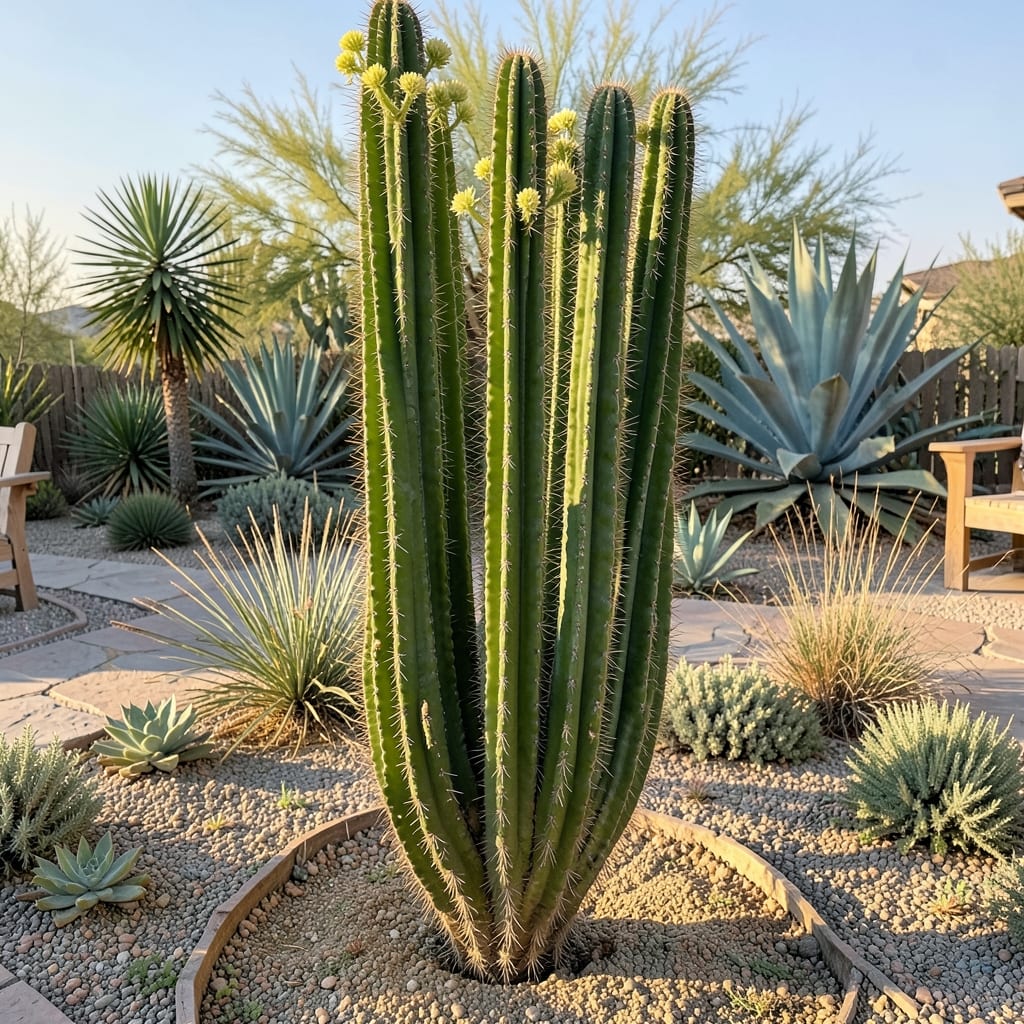
Curious about how tall your African Milk Tree 🌳 could grow? This striking plant can reach impressive heights—up to 30 feet—but indoor growth is a different story. Whether you're dreaming of a towering centerpiece or want to keep it compact, understanding its growth habits is key to success.
Indoors, African Milk Trees typically max out around 12–18 feet if given ideal conditions, but most growers manage them at 6–10 feet with proper care. The difference comes down to sunlight, pruning, and even the pot size you choose. Let me show you how to control its height while keeping it healthy and thriving.
One of the biggest misconceptions is that these plants will inevitably shoot up uncontrollably. In reality, their growth is highly manageable with the right techniques—like strategic pruning and light placement. If you're working with limited space, I’ll share how to keep your African Milk Tree at a more practical height without sacrificing its stunning appearance.
Ready to learn the secrets behind controlling its size? From pruning tips to light requirements, I’ll walk you through everything you need to know to grow a beautiful, well-proportioned African Milk Tree—no matter how tall (or short) you want it to be.


African Milk Tree height limits: indoor growth potential explained
African Milk Trees (Euphorbia trigona) are famous for their dramatic vertical growth, but their final height depends heavily on whether they're grown indoors or outdoors. In their native habitat, these plants can soar up to 30 feet tall, but indoors, they typically reach 12–18 feet with ideal care. The key difference? Sunlight exposure, container size, and pruning habits all play critical roles in controlling their height.
Most growers find their African Milk Trees max out around 6–10 feet indoors, especially in smaller pots. This makes them perfect for creating vertical interest without overwhelming a room. However, if you provide bright indirect light and a large container, you might see them stretch toward 15 feet or more. Understanding these growth patterns helps you set realistic expectations and plan accordingly.
Here’s the science behind their height: African Milk Trees grow fastest during their active growing season (spring and summer). Each year, they can add 2–4 feet in height if conditions are optimal. Without proper care, they’ll stretch tall and leggy, searching for light—a common issue in low-light indoor settings. The good news? With the right techniques, you can control their height while keeping them healthy and full.
Let’s break down the factors that influence their growth. Sunlight is the #1 driver of height—plants in direct sunlight grow taller and stockier, while those in low light become elongated and weak. Temperature also matters: African Milk Trees thrive in 65–80°F conditions. Below 55°F, their growth slows dramatically, which can stunt their height over time.
🌱 African Milk Tree Growth Summary
| Factor | Indoor Height Impact | Outdoor Height Impact |
|---|---|---|
| Sunlight | Limited light = 10–12 ft; full sun = 15–18 ft | Full sun = 20–30 ft (natural habitat) |
| Container Size | Small pot = 6–8 ft; large pot = 12–18 ft | Ground-planted = unlimited height (root spread) |
| Pruning | Regular pruning = compact, bushy growth | Minimal pruning = tall, unchecked growth |
| Temperature | Below 65°F = slower growth | Ideal 70–85°F = rapid growth |
💡 Pro Tip: Use a south-facing window or grow lights to maximize height control indoors.
One common misconception is that African Milk Trees will always grow tall and unmanageable. In reality, their height is highly controllable with the right care. For example, if you prune them regularly—cutting back 1/3 of their height in early spring—you can keep them at a manageable 4–6 feet even in large containers. This technique encourages bushier, denser growth rather than a single tall stem.
Another factor to consider is the root system. African Milk Trees have a deep taproot, which means they need well-draining soil and a pot with drainage holes. If roots become root-bound, the plant will focus energy on growing taller rather than wider. To prevent this, repot every 2–3 years into a container that’s only slightly larger than the previous one.
Let’s talk about real-world examples. I’ve seen African Milk Trees in urban apartments with south-facing windows reach 8–10 feet in just 3 years with minimal pruning. Meanwhile, a friend in a low-light office struggled to keep hers above 5 feet despite regular fertilizing. The difference? Light exposure made all the difference in their growth trajectories.
If you’re working with limited space, aim for a height target and adjust your care routine accordingly. For instance, if you want a 4-foot-tall specimen, place it in a smaller pot, provide bright indirect light, and prune aggressively twice a year. On the other hand, if you’re okay with a taller statement piece, give it more light, a larger pot, and minimal pruning to let it stretch naturally.
Finally, remember that African Milk Trees are succulents, which means they store water in their stems. This trait makes them drought-tolerant but also means they grow slower in dry conditions. Overwatering can actually stunt their height by causing root rot, so always let the soil dry out completely between waterings. A well-balanced care routine—light, water, and pruning—will give you the best control over their growth.
Ready to start managing your African Milk Tree’s height like a pro? The next section will dive into pruning techniques and care secrets to keep it at your desired size—whether you want a compact bush or a towering centerpiece. Let’s get growing! 🌿
African Milk Tree height limits: indoor growth potential explained
African Milk Trees (Euphorbia trigona) can reach 15–30 feet outdoors, but indoors, their growth is far more manageable. The key difference lies in light exposure and container size. With optimal care, indoor specimens typically grow 12–18 feet tall, though most home growers keep them between 6–10 feet using pruning techniques. The plant’s natural growth rate is 1–2 feet per year under ideal conditions, but this slows significantly in low-light environments.
Genetics play a role, but environmental factors like sunlight, temperature, and humidity have the biggest impact. For example, a tree in a sunny south-facing window with consistent warmth will grow taller than one in a dim corner. Even small differences in care—like fertilizer type or watering frequency—can influence whether your plant stretches toward the ceiling or stays compact.
One common misconception is that African Milk Trees will always grow tall if left unchecked. In reality, their height is highly controllable with proper pruning and light management. Many growers use topiary techniques to shape their trees into smaller, bushier forms. If you’re working with limited space, I’ll show you how to keep your tree at a manageable height without sacrificing its striking appearance.
🌱
| Growth Factor | Indoor Height Impact | Optimal Range |
|---|---|---|
| Sunlight | Direct sunlight (6+ hours) promotes faster, taller growth. | South-facing window or grow lights |
| Pruning | Regular pruning (every 6–12 months) keeps height manageable. | 6–10 feet (ideal for indoor spaces) |
| Container Size | Smaller pots restrict root growth, slowing height increase. | 12–18 inches in diameter |
| Temperature | Warmer temps (70–85°F) encourage faster growth. | Consistent warmth year-round |
| Fertilizer | Balanced NPK (10-10-10) supports steady growth. | Every 4–6 weeks in spring/summer |
For instance, a well-pruned African Milk Tree in a 14-inch pot with moderate sunlight might only reach 8 feet in 3 years, while an unpruned tree in full sun could hit 15 feet in the same timeframe. The difference comes down to intentional care. If you’re aiming for a smaller tree, focus on pruning new growth and limiting fertilizer in the later months of the year.
Outdoor specimens, on the other hand, have no height limits—given enough space, they’ll grow 30+ feet tall in ideal conditions. But indoors, the ceiling (or your patience) becomes the real constraint. Many growers use growth regulators or dwarfing techniques to keep their trees at a manageable height, especially in small apartments or offices.
Pro tip: If you’re growing your African Milk Tree as a houseplant, aim for 6–8 feet as a target height. This size is striking enough to make a statement but won’t overwhelm your space. With the right care, you can enjoy its glossy, geometric stems without the hassle of a towering giant.
🌿