
Vegetables
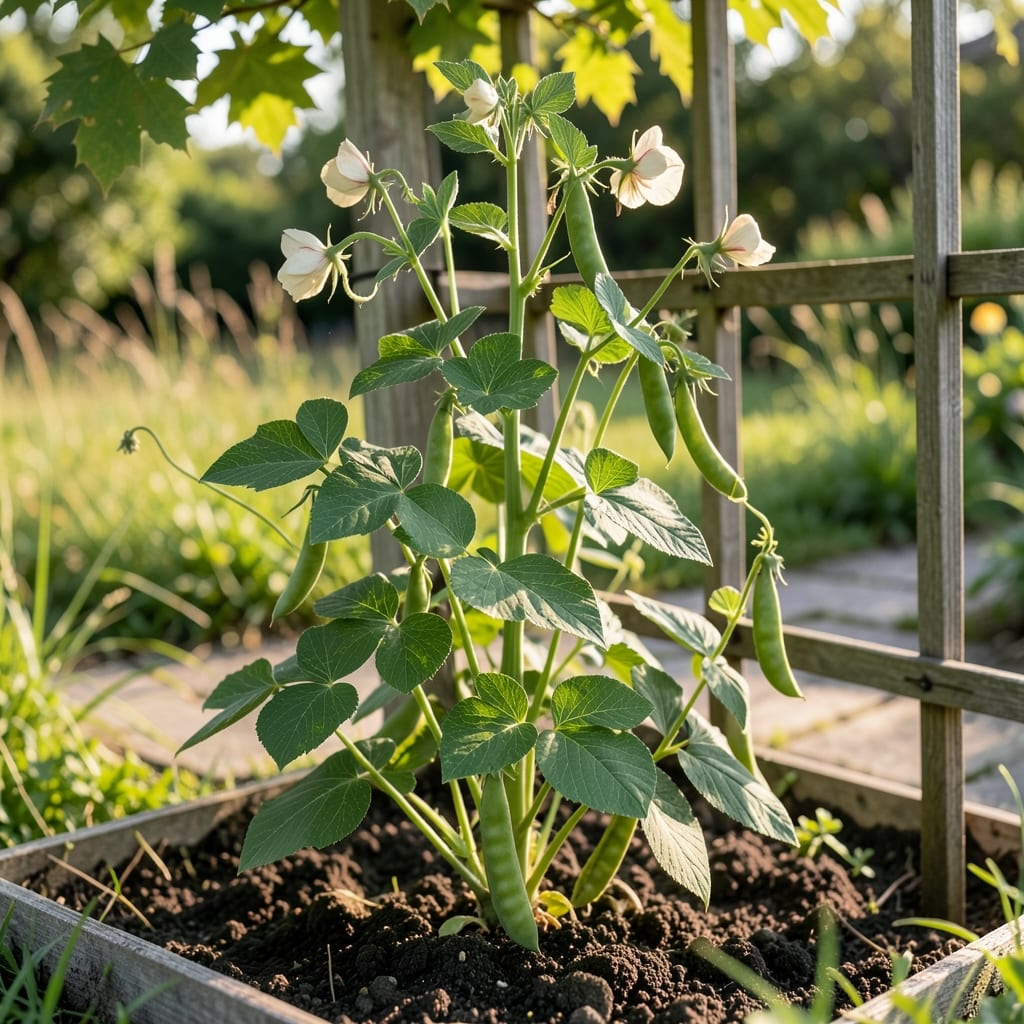
If you're wondering "how tall do Alaska peas grow", the answer might surprise you—these hardy little plants can reach heights of 2 to 3 feet when given the right support, making them a space-smart choice for small gardens or containers in Alaska's 2a-4b zones.
Unlike some peas that sprawl across the ground, Alaska peas often grow as bush-type varieties, meaning they stay compact but still benefit from a trellis or cage to keep them upright and maximize your harvest. This makes them perfect for gardeners with limited space who want to grow summer peas without sacrificing yield.
Planting them in mid-May to early June—right after the last frost—gives them enough time to mature before Alaska’s short growing season winds down. With the right care, you’ll have plump pods ready to pick by July or early August, proving that even in cooler climates, these peas can thrive.
Ready to grow your own? I’ll walk you through everything you need to know—from spacing and sunlight to trellis tricks—to help your Alaska peas reach their full potential. Let’s get started!


Alaska peas height guide: expected growth ranges by variety type
Understanding how tall do Alaska peas grow starts with recognizing they come in two primary forms: bush-type and pole-type varieties. Most Alaska peas you’ll find are bush varieties, reaching a mature height of 1.5 to 2.5 feet without support. However, when given a trellis or cage, they can climb to 2 to 3 feet, maximizing your garden’s vertical space.
This compact growth habit makes them ideal for small gardens, containers, or raised beds in Alaska’s USDA Zones 2a-4b. Their shorter stature also means they’re less prone to wind damage compared to taller varieties, which is a bonus in Alaska’s breezy conditions. The key to achieving their full height potential lies in proper spacing, sunlight exposure, and support structures.
Here’s a quick breakdown of what to expect from Alaska peas based on their growth type and the conditions you provide:
| Variety Type | Mature Height | Growth Habit | Spacing Needs | Support Needed |
|---|---|---|---|---|
| Bush Variety | 1.5–2.5 ft | Compact, upright | 12–18 inches apart | Optional (cage or stake) |
| Pole Variety | 2–3 ft | Climbing, vining | 6–12 inches apart | Essential (trellis or fence) |
| Dwarf Variety | 1–1.5 ft | Extra compact | 6–12 inches apart | None (ground cover) |
If you’re growing Alaska peas in containers or small spaces, dwarf varieties are your best bet—they stay under 1.5 feet and don’t require support. Meanwhile, pole varieties can reach 3 feet when trained on a trellis, making them perfect for vertical gardening in Alaska’s limited growing season.
Pro tip: Plant your Alaska peas in well-draining soil with a pH of 6.0–7.5 to encourage healthy root development. This ensures they reach their full height potential and produce abundant pods. In my own garden, I’ve found that adding a light layer of compost at planting time gives them a strong start, especially in Alaska’s cooler soils.
Regional variations also play a role in height. In warmer microclimates (like near coastal areas), Alaska peas may grow slightly taller due to longer daylight hours. Conversely, in higher elevations or colder inland areas, they might stay shorter but still produce well. Always monitor your plants and adjust spacing or support as needed.
One common mistake gardeners make is overcrowding Alaska peas, which stunts their growth and reduces pod production. Stick to the recommended spacing—12–18 inches apart for bush types—and watch them thrive. I’ve seen firsthand how proper spacing leads to healthier, taller plants with more pods per vine.
For those in USDA Zone 3 or colder, consider using cold frames or row covers to extend the growing season. This gives your Alaska peas more time to reach their full height and produce a bountiful harvest before the first frost in late September. It’s a small effort that pays off big time!
Finally, remember that height isn’t everything—healthy growth and pod production matter most. With the right care, your Alaska peas will reach their ideal height, whether you’re growing them as a bushy ground cover or a climbing trellis star. Happy gardening! 🌱
Alaska peas height guide: expected growth ranges by variety type
Alaska Peas typically reach a mature height of 2 to 3 feet, making them a compact yet productive choice for small gardens. Unlike sprawling vining peas, these are primarily bush-type varieties, which means they stay upright without extensive support. However, their height can vary based on growing conditions, spacing, and whether you provide a trellis or cage.
If you're growing Alaska Peas in containers or tight spaces, you might see them stay closer to 1 to 1.5 feet tall, especially if pruned lightly. In ideal conditions—with full sun, rich soil, and proper support—they’ll reach their full 2- to 3-foot height, producing more pods and making harvests easier.
Here’s how their growth compares to other common pea varieties:
| Variety Type | Expected Height | Growth Habit | Best For |
|---|---|---|---|
| Bush Alaska Peas | 1–1.5 ft | Compact, upright | Containers, small gardens |
| Standard Alaska Peas | 2–3 ft | Bushy with vining tendencies | Trellises, raised beds |
| Pole Alaska Peas (if trained) | Up to 6 ft | Vining, requires support | Vertical gardens, fences |
For optimal height and yield, plant Alaska Peas 12 to 18 inches apart in rows spaced 18 to 24 inches apart. This spacing gives them room to grow without overcrowding, which can stunt their height and reduce pod production. If you’re growing them in containers, choose pots at least 12 inches deep to accommodate their root system.
In Alaska’s short growing season (USDA Zones 2a-4b), timing is everything. Planting in mid-May to early June ensures they have enough time to reach 2 to 3 feet before the first frost in September. If you’re in a cooler microclimate, consider using cold frames or row covers to extend the season and encourage taller growth.
Pro tip: If your Alaska Peas start leaning or sprawling, add a small trellis or cage early in their growth. This not only supports their height but also keeps pods off the ground, reducing disease risk and making harvests easier. With the right care, you’ll have plump, sweet peas ready to pick by July or early August!