
How To
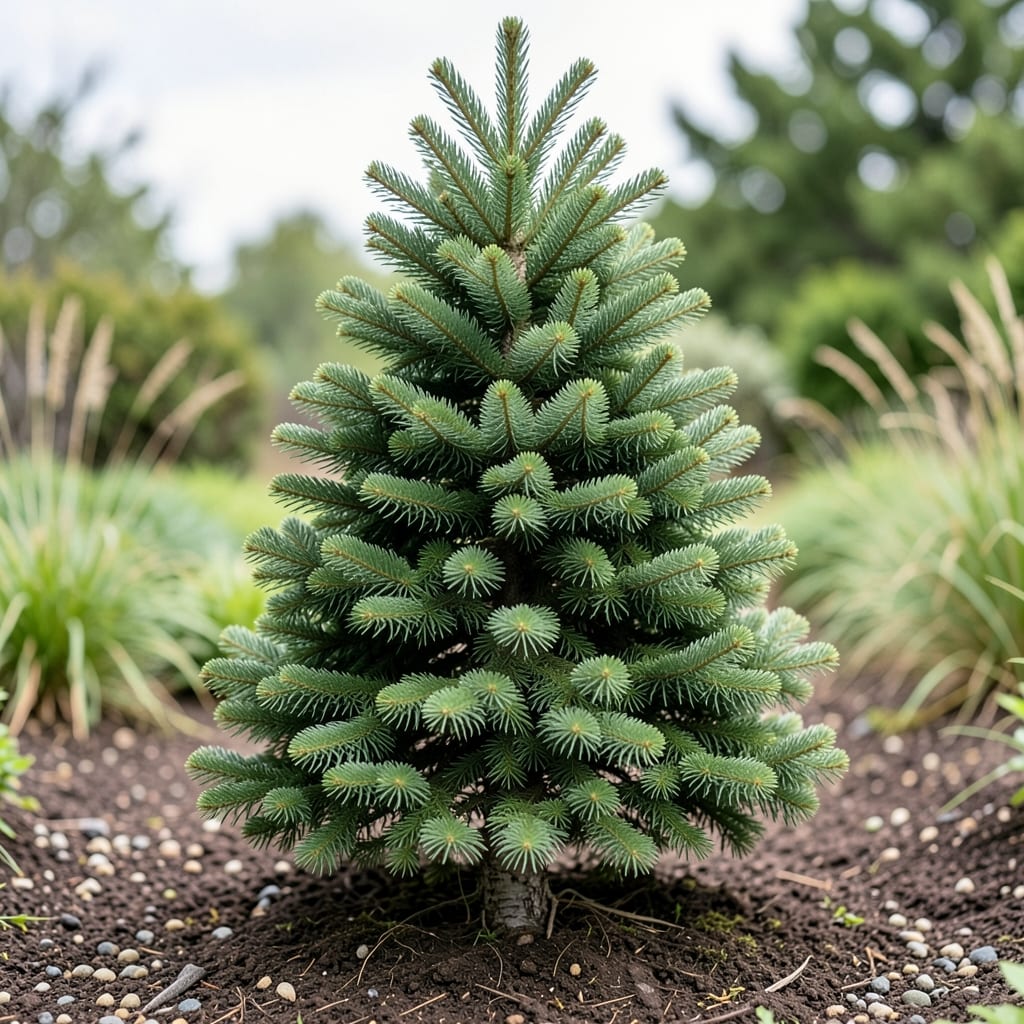
If you're planning to add an Alberta Spruce 🌲 to your landscape, knowing how tall do Alberta spruce grow is the first step to making the right choice for your space. These hardy evergreens can reach impressive heights—some towering over 40 feet at maturity—while others stay compact, making them perfect for both large properties and smaller yards.
But here's the thing: their growth rate and final height depend on more than just genetics. Factors like soil quality, sunlight exposure, and even your local climate play a huge role in how tall your Alberta Spruce will become. Whether you're dreaming of a towering centerpiece or a neatly trimmed hedge, understanding these variables will help you create the perfect backdrop for your outdoor space.
In this guide, I'll break down the mature height ranges for different Alberta Spruce varieties, from the dwarf varieties that stay under 10 feet to the standard types that can reach 40 feet or more. You'll also discover how to optimize growing conditions to encourage—or control—their height, so you can achieve the look you want without any surprises.
Ready to make an informed decision? Let's dive into what you need to know to select, plant, and care for an Alberta Spruce that fits your vision—and your yard—perfectly.


Alberta Spruce mature height by variety: what to expect at full growth
Alberta Spruce trees 🌲 are known for their striking blue-green foliage and impressive stature, but their mature height can vary dramatically depending on the specific variety you choose. The standard Alberta Spruce (Picea glauca 'Conica') can reach heights of 15 to 40 feet at maturity, but some dwarf cultivars stay under 10 feet, making them ideal for smaller landscapes. Understanding these differences is key to selecting the perfect tree for your space.
For example, the Glauca variety is one of the most popular and can grow between 30 to 40 feet tall, while the 'Little Gem' cultivar remains a compact 10 to 15 feet. Even within the same species, growth rates can differ based on genetic traits, so it's important to research the specific cultivar you're interested in before planting.
Here’s a quick comparison of the most common Alberta Spruce varieties and their mature heights to help you visualize what to expect in your landscape:
| Variety | Mature Height (ft) | Width (ft) | Growth Rate | Best For |
|---|---|---|---|---|
| Glauca (Standard) | 30-40 | 10-15 | Moderate | Large landscapes, privacy screens |
| 'Little Gem' | 10-15 | 4-6 | Slow | Small yards, containers, hedges |
| 'Conica' (Dwarf) | 5-10 | 3-5 | Very slow | Bonsai, rock gardens, patios |
| 'Glauca Globosa' | 8-12 | 4-6 | Slow | Foundation planting, small gardens |
| 'Pendula' | 15-20 | 8-12 | Moderate | Weeping effect, focal points |
When planning your landscape, consider not just the mature height but also the spread of the tree. For instance, a 40-foot-tall Alberta Spruce with a 15-foot spread will need ample space to avoid overcrowding nearby plants. Always measure your space and check the growth rate of the variety—some, like 'Conica,' grow only a few inches per year, while others can add 1 to 2 feet annually during their prime growing years.
If you're unsure which variety to choose, start by assessing your available space and your long-term goals for the tree. A dwarf Alberta Spruce like 'Conica' is perfect for adding texture to a small garden or patio, while the standard Glauca variety will create a stunning privacy screen or focal point in a larger yard. Both options offer the same year-round greenery and cold-hardiness, so the choice ultimately comes down to scale and design.
Another factor to consider is how the tree's height will complement your existing landscape. For example, pairing a 10-foot 'Little Gem' with a 20-foot evergreen hedge can create a layered, visually appealing design. On the other hand, a 40-foot Alberta Spruce planted near a two-story home can provide dramatic vertical interest and even act as a windbreak. Think about the visual impact you want to achieve and how the tree's height will contribute to that vision.
For those in urban or suburban settings with limited space, dwarf varieties are an excellent choice. They require minimal maintenance and can be easily incorporated into container gardens or small yards. Even in containers, these trees can thrive for years, offering the same blue-green foliage and resilience as their larger counterparts. Just ensure your container is large enough to accommodate the tree's root system as it grows, typically 12 to 18 inches in diameter for dwarf varieties.
If you're planting an Alberta Spruce for privacy or wind protection, the standard varieties will deliver the best results. A row of 30 to 40-foot trees planted 10 to 15 feet apart can create an effective barrier while adding beauty to your property. Just be prepared for the long-term commitment—these trees can take 10 to 20 years to reach their full height, so patience is key when planning their placement.
Finally, remember that while genetics play a major role in determining height, environmental factors like sunlight, soil quality, and water availability can also influence growth. We'll dive deeper into how to optimize these conditions in the next section to ensure your Alberta Spruce reaches its full potential—or stays compact, depending on your goals. 🌿
How growth conditions affect Alberta Spruce height: sunlight, soil, and climate factors
Alberta Spruce 🌲 is a resilient evergreen, but its final height isn't just about genetics—growth conditions play a massive role. Whether you're planting in a sun-drenched yard or a shadier corner, understanding these factors will help you steer its growth toward your desired outcome. Let's explore how sunlight, soil, and climate influence how tall your Alberta Spruce will become.
First, sunlight exposure is one of the biggest determinants of height. Alberta Spruce thrives in full sun, where it can reach its maximum potential height of 40 feet or more. However, when planted in partial shade, growth slows significantly, often resulting in a shorter, bushier tree that may only reach 20-30 feet at maturity. If you're aiming for a compact look, partial shade can be your secret weapon.
Next, soil drainage is critical. Alberta Spruce hates soggy roots, which can stunt growth or even kill the tree. Well-draining soil ensures steady, healthy growth, while waterlogged conditions can lead to root rot and a stunted, unhealthy tree. Amending clay-heavy soil with organic matter like compost or sand can make all the difference in achieving the height you want.
Here’s how climate and cold hardiness factor in: Alberta Spruce is native to USDA Zones 3-7, where it grows robustly. In colder climates, growth may be slower, but the tree remains hardy. However, in warmer zones (Zone 8+), the tree can grow faster but may become more susceptible to pests or diseases, which can indirectly affect its height by stressing the plant.
🌱 Key Takeaways for Alberta Spruce Height
- Sunlight: Full sun = taller growth (up to 40 ft); partial shade = shorter, bushier (20-30 ft).
- Soil: Well-draining soil = healthy growth; waterlogged soil = stunted or dead tree.
- Climate: Colder zones = slower growth; warmer zones = faster growth but potential pest risks.
- Watering: Deep, infrequent watering encourages strong root systems for optimal height.
Don’t overlook watering practices, either. While Alberta Spruce is drought-tolerant once established, young trees need consistent moisture to grow steadily. Overwatering or underwatering can both lead to slower growth or poor health. Aim for deep watering once a week during dry spells to keep your tree on track for its full potential height.
Finally, pruning habits (which we’ll cover in the next section) can also influence height. Strategic pruning can encourage compact growth or allow the tree to reach its full height. For now, focus on giving your Alberta Spruce the right conditions to grow strong and healthy—whether you're aiming for a towering giant or a neatly trimmed accent.
By paying attention to these factors, you’ll be well on your way to growing an Alberta Spruce that fits perfectly into your landscape vision—no surprises included! 🌳