
Size
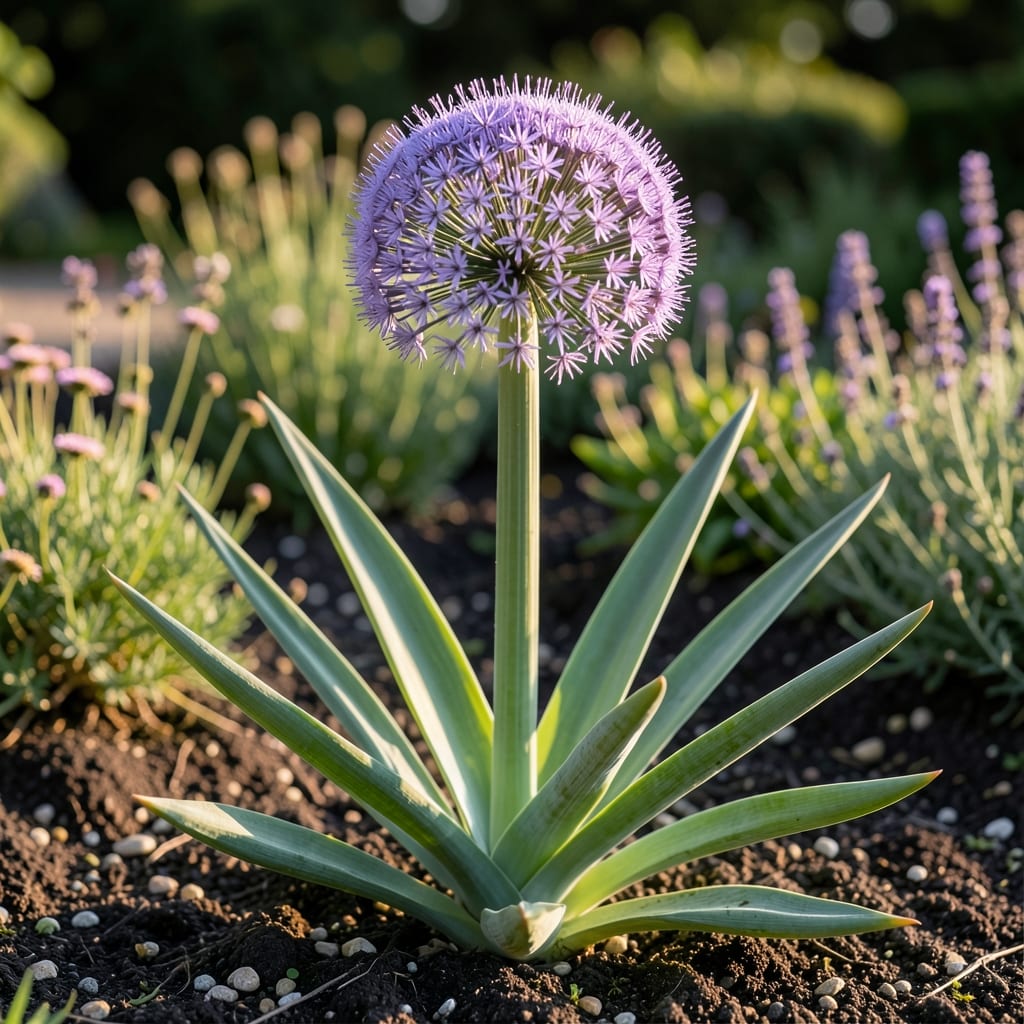
If you’ve ever wondered how tall do allium grow, the answer depends entirely on the variety you’re growing. Some alliums barely reach knee height, while others shoot up to 4 feet or more—making them a dramatic focal point in any garden.
This height variation isn’t just about aesthetics; it directly impacts where you plant them, how you care for them, and even how you use their stunning blooms. Whether you’re designing a cozy border or a bold statement piece, knowing the exact height range of each allium variety helps you make the most of your garden space.
In this guide, I’ll break down the typical heights of popular allium species, from dwarf varieties perfect for containers to towering giants that command attention. You’ll also discover how sunlight, soil, and pruning can influence their growth—so you can tailor their care to get the exact look you want.
Ready to transform your garden with alliums that fit perfectly? Let’s explore the heights, tips, and tricks to help you choose—and grow—the right varieties for your space.


Allium plant height guide: exact heights by popular varieties
When planning your garden, knowing how tall do allium grow helps you visualize their impact. Alliums range from 6-inch dwarfs to 4-foot giants, making them versatile for borders, containers, or bold focal points. The variety you choose determines not just height but also bloom shape, color, and even care requirements.
For example, Allium roseum stays compact at just 6-12 inches, perfect for edging or rock gardens, while Allium giganteum reaches 3-5 feet, creating dramatic vertical interest. Below, I’ve organized the most popular allium varieties by height category—dwarf, medium, and giant—to help you pick the perfect fit for your space.
🌱
| Variety | Height Range | Best For | Spacing |
|---|---|---|---|
| Allium roseum | 6-12" | Rock gardens, borders | 4-6" |
| Allium sphaerocephalon | 12-18" | Containers, cottage gardens | 6-8" |
| Allium cristophii | 18-24" | Cut flowers, borders | 8-10" |
| Allium schubertii | 3-4 ft | Back of borders, cut arrangements | 12-18" |
| Allium giganteum | 3-5 ft | Dramatic focal points | 18-24" |
| Allium moly | 12-18" | Pollinator gardens, borders | 6-8" |
| Allium karataviense | 2-3 ft | Cut flowers, mixed borders | 10-12" |
The dwarf varieties like Allium roseum and Allium sphaerocephalon are ideal for small spaces or containers, while medium-height alliums like Allium cristophii add texture to borders without overwhelming. For a wow factor, giant alliums such as Allium giganteum and Allium schubertii create vertical drama—perfect for the back of beds or as standalone specimens.
Pro tip: Check the spacing recommendations in the table above to avoid overcrowding. Alliums need room to develop their full height and prevent flopping. For example, Allium giganteum needs 18-24 inches of space, while Allium roseum thrives in tight clusters.
🌿
Height isn’t the only factor to consider—bloom time and color also play a role in garden design. For instance, Allium moly blooms early in the season with bright yellow flowers, while Allium karataviense offers deep purple blooms later in summer. Pairing different heights and colors creates layers that extend your garden’s visual interest from spring through fall.
If you’re growing alliums for cut flowers, taller varieties like Allium schubertii and Allium karataviense provide long stems that hold up well in bouquets. Their spherical blooms add texture and contrast to arrangements with delicate flowers like roses or eucalyptus.
If you’ve ever planted alliums and wondered why some varieties grow taller than others, the answer lies in a mix of genetics, growing conditions, and care techniques. While the variety sets the baseline height, factors like sunlight exposure, soil quality, and watering habits can push your alliums to reach their full potential—or stunt their growth entirely. For example, a Allium giganteum, which naturally tops out at 4 feet, might only reach 2 feet if planted in partial shade or poor soil. On the flip side, a dwarf allium like Allium roseum (6-12 inches) could stretch taller if over-fertilized, losing its compact charm. Understanding these variables lets you fine-tune your garden setup for the exact height you want. Here’s how to control allium height—whether you’re aiming for dramatic statement plants or neat, low borders. The key is balancing these four critical factors: One common mistake gardeners make is assuming all alliums need the same care. For instance, Allium sphaerocephalon (18-24 inches) thrives in poor soil and minimal water, while Allium moly (6-12 inches) prefers richer soil and regular moisture. Always match your care routine to the variety’s natural habits to avoid height surprises. Pro tip: If you’re growing alliums for cut flowers, prioritize tall, sturdy varieties like Allium giganteum or Allium cristophii. For container gardens, choose dwarf types like Allium roseum or Allium karataviense to keep them manageable. With the right conditions, you can coax your alliums to grow exactly how you envision—whether it’s a wildflower meadow or a neat, low border.Factors that influence Allium growth height (and how to control them)