
How To
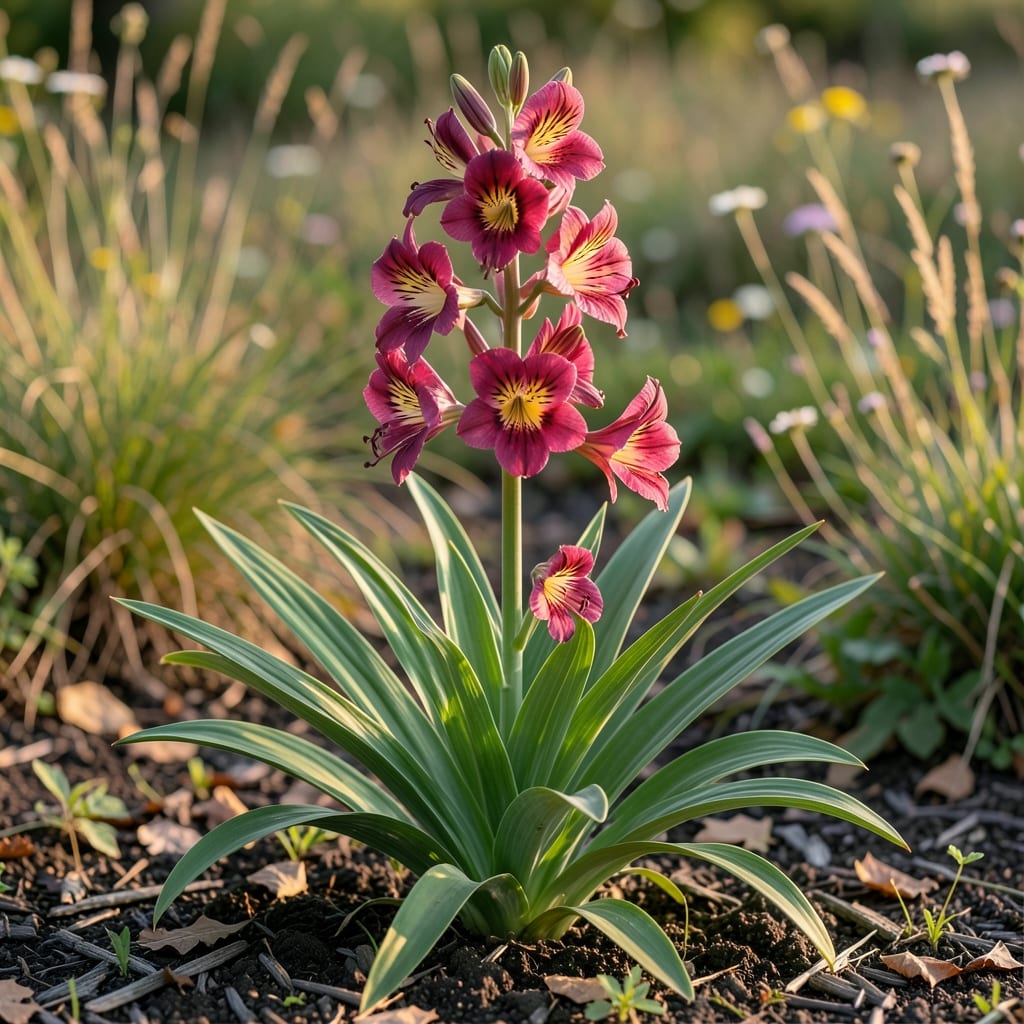
Wondering how tall do alstroemeria grow and whether they’ll fit your garden plans? These vibrant 🌸 flowers can range from petite 12-inch charmers to towering 36-inch showstoppers, depending on the variety and care you provide.
If you're designing a border, container garden, or cutting flower arrangement, knowing the exact height of each type is key. Some varieties stay compact enough for patio pots, while others reach heights perfect for back-of-bed planting. The good news? With the right pruning techniques, you can even control their growth to match your space.
In this guide, I’ll break down the height ranges for popular alstroemeria types, share pruning secrets to keep them at your desired size, and recommend the best varieties for small spaces versus larger gardens. Whether you're a beginner or a seasoned gardener, these insights will help you make the most of your 🌸 alstroemeria.
Let’s dive into how to choose the perfect height for your garden—so you can enjoy these stunning blooms all season long without any surprises! From dwarf varieties that add color to containers to tall types that create dramatic backdrops, there’s an alstroemeria for every space.


Alstroemeria height by variety: dwarf to towering types
Alstroemeria plants offer a stunning range of heights, from delicate 8-inch dwarfs to dramatic 36-inch giants. The variety you choose will determine not just the height but also the spread, bloom size, and even the garden design possibilities. Let’s explore the most popular types and their mature heights to help you pick the perfect fit for your space.
For small spaces like containers or window boxes, dwarf varieties like 'Pink Nymph' or 'Dwarf Rainbow' stay between 12-18 inches tall. These are ideal for adding color to patios or balconies without overwhelming the area. Their compact growth also makes them perfect for cutting gardens where you want frequent blooms without sacrificing space for other plants.
Mid-height varieties, such as 'Regina' or 'White Lady', typically reach 18-24 inches at maturity. These are versatile choices for border plantings or mixed flower beds, where they can be tucked between taller perennials like delphiniums or hollyhocks. Their height also makes them great for bouquet arrangements, as they hold up well in vases.
If you're dreaming of a dramatic backdrop or a cutting garden with towering stems, taller varieties like 'Black Pearl' or 'Enterprise' can reach 30-36 inches. These varieties are perfect for the back of a perennial border or as a focal point in a cottage-style garden. Their height also makes them excellent for long-stemmed bouquets, as they can be harvested repeatedly throughout the season.
| Variety | Height Range | Spread | Best For |
|---|---|---|---|
| 'Pink Nymph' | 12-18 inches | 12-18 inches | Containers, borders |
| 'Dwarf Rainbow' | 12-16 inches | 12 inches | Patios, cutting gardens |
| 'Regina' | 18-24 inches | 18 inches | Borders, bouquets |
| 'White Lady' | 20-24 inches | 18 inches | Cut flowers, mixed beds |
| 'Black Pearl' | 30-36 inches | 24 inches | Backdrop planting, tall bouquets |
| 'Enterprise' | 28-34 inches | 20 inches | Cutting gardens, focal points |
When planning your garden, don’t forget to consider the spread of each variety alongside its height. Some alstroemeria, like 'Pink Nymph', spread wider than they grow tall, while others, like 'Black Pearl', have a more upright growth habit. This can influence how you space them in your flower beds or containers.
For container gardening, choose dwarf varieties and plant 3-5 stems per 12-inch pot to create a full, colorful display. In ground plantings, space taller varieties 12-18 inches apart to allow for their mature spread and ensure good air circulation, which helps prevent fungal diseases like powdery mildew.
One of the best things about alstroemeria is their adaptability. Even if you choose a taller variety, you can control its height with pruning techniques like pinching back new growth or cutting back spent blooms. This flexibility means you can grow almost any variety in almost any space—just adjust your care routine to match your goals.
Now that you know the height ranges, you can confidently select alstroemeria varieties that fit your garden vision. Whether you're aiming for a whimsical cottage garden or a structured cutting garden, there’s a perfect alstroemeria height for you! 🌸
How pruning affects alstroemeria height: techniques for controlling growth
Pruning is one of the easiest ways to control alstroemeria height and shape your plants for your garden design. When done correctly, it encourages bushier growth in dwarf varieties and prevents leggy stems in taller types. The key is timing—cutting at the wrong time can stunt blooms or invite pests.
For spring pruning, focus on removing dead or damaged foliage in early spring (after the last frost). This clears space for new growth and prevents disease. In late summer, you can trim back up to one-third of the plant's height to encourage a second flush of blooms and keep stems compact.
Never prune alstroemeria in fall—this can weaken the plant before winter dormancy. Instead, wait until early spring to assess growth and remove any winter-damaged stems. Always use clean, sharp pruners to avoid tearing stems or spreading disease.
⚠️ Pruning Mistakes to Avoid
Over-pruning: Cutting too aggressively can reduce next year's blooms. Stick to removing only dead or overgrown stems—never more than 1/3 of the plant at once.
Pruning at the wrong time: Avoid trimming in late summer or fall, as this can delay dormancy or harm winter hardiness.
Using dirty tools: Always sterilize pruners with rubbing alcohol between cuts to prevent fungal spread.
If you're growing tall alstroemeria varieties (like 'Black Pearl'), prune selectively to maintain an open center. For dwarf types (like 'Regina'), a light trim after blooming encourages a fuller, bushier habit. Always leave at least 2-3 leaves on each stem to support photosynthesis.
For container-grown alstroemeria, prune more frequently to control height and encourage branching. Pinch back the top growth when plants are 6-8 inches tall to promote a denser, more compact shape. This works especially well for patio varieties where space is limited.
Remember, pruning doesn't permanently change a variety's mature height—it simply manages growth during the season. With consistent care, you can keep your alstroemeria at your desired height while enjoying abundant blooms all summer long. 🌿