
Size
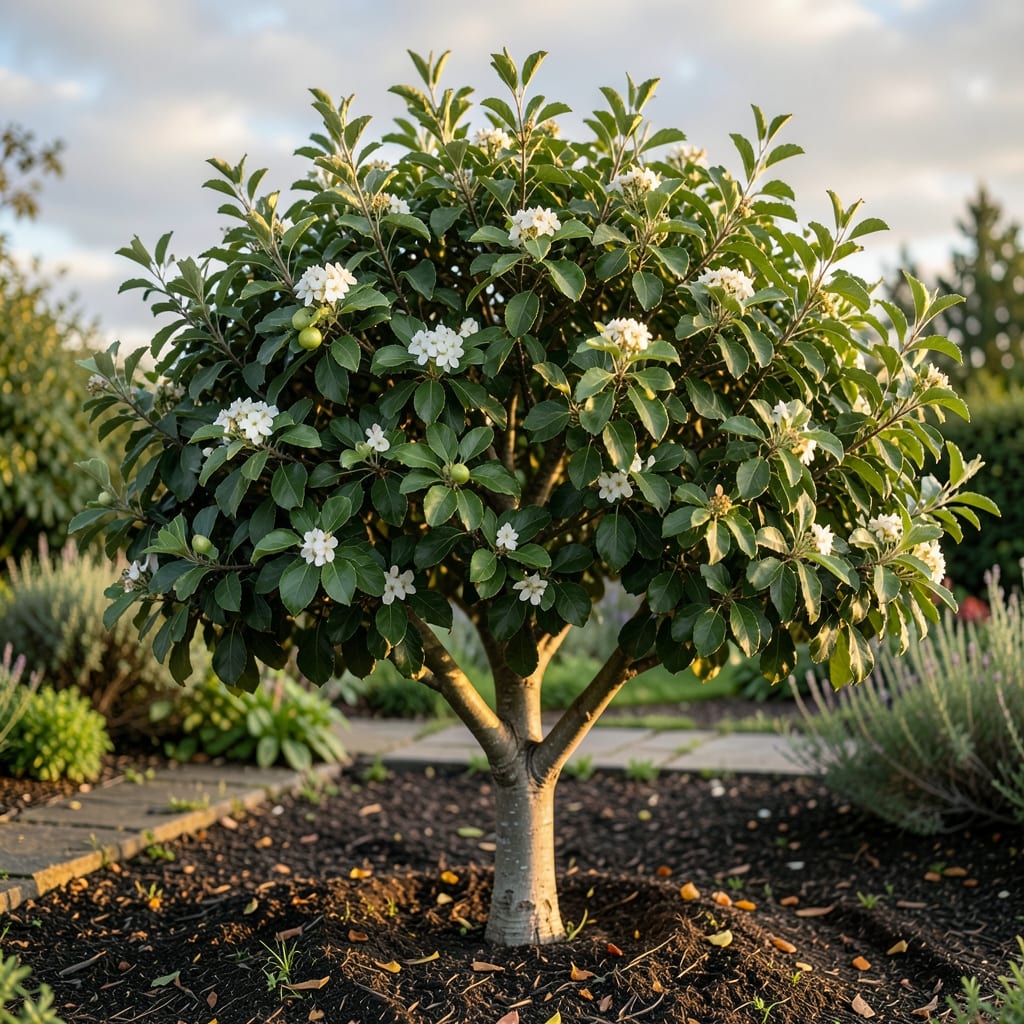
Wondering how tall do Asian pear trees grow before they tower over your backyard? The answer might surprise you—some varieties reach heights of 40 feet, while others stay compact enough for small gardens. If you're planning your orchard or urban garden, knowing these differences is key to choosing the right 🍐 variety for your space.
Asian pear trees come in three main size categories: dwarf (12-18 feet), semi-dwarf (18-25 feet), and standard (25-40 feet). The variety you pick will determine whether you need a sprawling yard or can tuck one into a container. For example, 'Hosui' stays under 12 feet, while 'Niitaka' can easily hit 30 feet if left unchecked.
But here’s the game-changer: pruning can dramatically alter a tree’s height and shape. With the right techniques, you can keep even a standard variety manageable—ideal for homeowners who want fruit without sacrificing yard space. Whether you’re a beginner or a seasoned gardener, understanding these growth habits will help you plan for success.
Ready to pick the perfect Asian pear for your garden? Discover our variety guide to find the best fit for your space and climate—no guesswork required!


Asian pear tree height by variety: dwarf to standard growth ranges
If you're planning your orchard, the first question is almost always: how tall do Asian pear trees grow? The answer depends entirely on the variety you choose, as heights range from 12 feet for dwarf types to a towering 40 feet for standard varieties. This variation means you can grow Asian pears in everything from a container on a balcony to a full backyard orchard.
For gardeners with limited space, dwarf varieties like 'Hosui' and 'Chojuro' are game-changers. These stay under 12 feet at maturity, making them perfect for small yards or even large containers. Meanwhile, semi-dwarf varieties like 'Niitaka' reach 18-25 feet, offering a balance between manageable size and abundant fruit production.
Standard varieties, such as 'Korean Giant' and 'Shinseiki', can grow 30-40 feet tall, requiring ample yard space and regular pruning to maintain. These giants are ideal for large properties where you want a shade-providing centerpiece with a bountiful harvest.
🍐 Asian Pear Tree Height Comparison
| Variety | Mature Height | Growth Rate | Best For |
|---|---|---|---|
| Hosui | 10-12 ft | Moderate | Containers, small yards |
| Chojuro | 12-15 ft | Slow to moderate | Urban gardens, patios |
| Niitaka | 18-25 ft | Moderate to fast | Medium yards, shade trees |
| Korean Giant | 30-40 ft | Fast | Large properties, orchards |
| Shinseiki | 25-35 ft | Moderate | Backyard orchards |
💡 Pro Tip: Always check the specific variety's growth rate when selecting a tree, as some dwarf varieties may still need pruning to stay compact.
When selecting a variety, consider not just height but also canopy spread. Many Asian pear trees develop a wide, rounded shape, which means they’ll need 10-15 feet of clearance on all sides to avoid overcrowding. For example, a 25-foot-tall 'Shinseiki' tree might spread 15-20 feet wide, requiring careful planning if you're planting multiple trees.
Another key factor is growth rate. Faster-growing varieties like 'Korean Giant' can add 3-5 feet per year in ideal conditions, while slower growers like 'Chojuro' may take 5-7 years to reach maturity. If you're impatient for fruit, faster-growing varieties are a better choice, but they’ll need more frequent pruning to control their size.
For urban gardeners or those with limited space, container-growing is an option for dwarf varieties. Use a 20-gallon container with drainage holes and a high-quality potting mix. Remember, even dwarf trees need full sun exposure and regular pruning to encourage bushier growth and better fruit production.
If you're unsure which variety to choose, start with a semi-dwarf variety like 'Niitaka'. It offers a good balance between manageable size and high fruit yield, making it a popular choice for home gardeners. Plus, its moderate growth rate means you won’t have to wait decades for your first harvest.
No matter which variety you pick, proper spacing and pruning are essential for healthy growth. Plant trees at least 15-20 feet apart to allow for airflow and prevent disease. And don’t forget to prune regularly to shape the tree and encourage fruit production—more on that in our next section!
Pruning Asian pear trees for height control: techniques & timing
Once you’ve chosen your Asian pear tree variety, the next step is managing its height through pruning. This is especially important for standard varieties like 'Korean Giant' that can reach 40 feet if left unchecked. Pruning not only controls height but also improves airflow, reduces disease risk, and boosts fruit production by directing energy to the tree’s center.
Timing is everything when pruning Asian pear trees. The best time to prune is during late winter or early spring, just before buds swell but before new growth begins. This dormant-season pruning helps shape the tree while minimizing stress. Avoid heavy pruning in fall, as new growth may not harden off before winter, leaving branches vulnerable to frost damage.
🪴 Step-by-Step Pruning Guide for Asian Pear Trees
- Step 1: Remove dead or diseased branches first using sterilized pruners to prevent spreading pathogens.
- Step 2: Thin out crossing or rubbing branches to improve airflow and reduce disease risk.
- Step 3: Cut back suckers (shoots growing from the base) to redirect energy to the main canopy.
- Step 4: Shorten water sprouts (vertical shoots) to encourage a bushier shape and better fruiting.
- Step 5: Prune last year’s growth by 25-30% to promote new, fruitful branches.
✂️ Tool Tip: Use bypass pruners for small branches and a pruning saw for thicker limbs.
For height control, focus on pruning the upper branches of the tree. If you want to keep a standard variety under 15 feet, aim to remove 1-2 feet of growth annually from the top. This encourages the tree to grow wider rather than taller, creating a more manageable shape. Just be patient—it may take 3-5 years of consistent pruning to see significant height reduction.
Summer pruning is also useful for light shaping and removing fruit spurs (small branches with fruit clusters). However, avoid heavy pruning in summer, as it can stimulate vulnerable new growth that may not harden off before winter. Instead, limit summer cuts to 10-15% of the tree’s canopy to maintain its health.
One common mistake is over-pruning, which can stress the tree and reduce fruit production. Asian pear trees are moderately sensitive to pruning, so never remove more than 25-30% of the canopy in a single session. If you’re unsure, start conservatively and adjust in subsequent years based on the tree’s response.
For container-grown dwarf varieties like 'Hosui', pruning is even more critical. Since these trees are already compact, focus on removing inward-growing branches and thinning the center to prevent overcrowding. This ensures the tree remains bushy and productive even in limited space. Regular pruning also helps maintain the tree’s balanced shape in containers, where root restrictions can affect growth patterns.
Need help getting started? Watch a pruning tutorial or consult a local orchardist for variety-specific advice. With the right techniques, you can enjoy a well-shaped, fruit-bearing Asian pear tree—no matter how tall it’s destined to grow!