
Trees
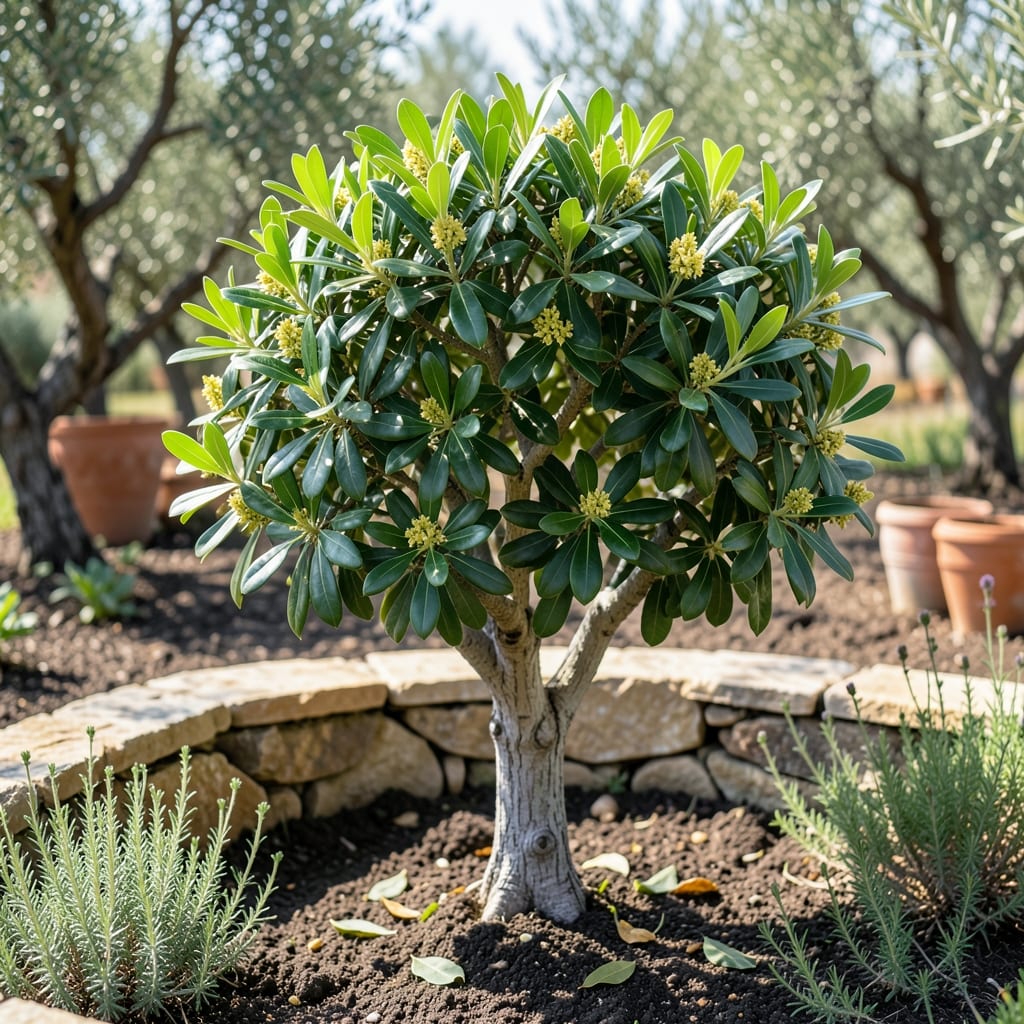
If you're wondering "how tall do bay trees grow", the answer might surprise you—these aromatic evergreens can range from compact 8-foot dwarfs to towering 40-foot giants, depending on the variety and where you live. Whether you're dreaming of a fragrant hedge or a statement tree for your yard, understanding their growth potential is key to planning your garden layout.
The most common type, the sweet bay tree (Laurus nobilis), typically reaches 15-25 feet at maturity, making it perfect for larger gardens or as a standalone focal point. But if space is limited, dwarf varieties like 'Angustifolia' stay under 10 feet—ideal for containers or small urban yards. The right choice depends on your climate, soil, and how much pruning you're willing to do.
What really controls their height? Sunlight, pruning habits, and even your USDA zone play a huge role. In warmer climates like Zone 6a, bay trees grow faster and taller, while cooler regions may see slower growth. Pruning regularly can keep them manageable, but if left unchecked, some varieties will stretch toward the sky—literally transforming your outdoor space over time.
Ready to add a bay tree to your landscape? I’ll break down the exact height ranges by variety, how to control growth, and even when you can start harvesting those fragrant leaves. Let’s get started!


Bay tree height ranges by variety: from dwarf to giant
Bay trees aren’t one-size-fits-all—their mature heights can vary dramatically depending on the variety. The most common type, sweet bay (Laurus nobilis), typically reaches 15-25 feet at maturity, making it ideal for larger gardens or as a standalone specimen. However, some varieties like 'Angustifolia' stay compact at just 8-12 feet, perfect for containers or small urban spaces.
If you're wondering "how tall do bay trees grow?", the answer hinges on the variety. For example, the California bay tree (Umbellularia californica) can soar to 40-50 feet in ideal conditions, while the Tuscan bay (Laurus nobilis 'Tuscan') maxes out around 20-30 feet. Even within the same species, growth habits can differ based on climate and care.
Here’s a quick comparison to help you visualize the differences:
| Variety | Mature Height | Growth Rate | Best For |
|---|---|---|---|
| Sweet Bay (Laurus nobilis) | 15-25 ft | Moderate (1-2 ft/year) | Large gardens, hedges |
| Dwarf Bay ('Angustifolia') | 8-12 ft | Slow (6-12 in/year) | Containers, small yards |
| California Bay (Umbellularia californica) | 40-50 ft | Fast (2-3 ft/year) | Woodland gardens, large estates |
| Tuscan Bay (Laurus nobilis 'Tuscan') | 20-30 ft | Moderate (1-2 ft/year) | Privacy screens, focal points |
Choosing the right variety isn’t just about height—it’s also about your garden’s layout and your long-term maintenance goals. For example, if you’re growing bay trees for culinary use, dwarf varieties like 'Angustifolia' are easier to harvest from containers, while larger trees provide more leaves but require more space and pruning.
Another key factor is growth rate. Sweet bay trees grow about 1-2 feet per year, while California bay trees can shoot up 2-3 feet annually in ideal conditions. If you’re in a warmer climate (USDA Zone 8+), expect faster growth, while cooler zones may see slower development.
For container gardening, dwarf varieties are your best bet. A 10-gallon pot can comfortably hold a young dwarf bay tree for several years, though you’ll need to prune regularly to encourage bushier growth. Larger varieties will outgrow containers quickly, so plan for ground planting if you want a mature-sized tree.
If you’re aiming for a privacy screen, the Tuscan bay’s 20-30 feet height makes it a great choice—just allow 10-15 feet of space between plants for full coverage. For a culinary garden, smaller varieties let you grow multiple trees in tight spaces while still harvesting fresh leaves.
Pro tip: Always check the nursery label or ask the grower about the expected mature height. Some "dwarf" varieties can still surprise you with unexpected growth spurts, especially if given rich soil and full sun.
Ready to pick the perfect bay tree for your space? Next, I’ll cover how to control height with pruning and sunlight adjustments—because even the tallest trees can be tamed with the right techniques! 🌿
Factors that influence bay tree height: sun, soil, and pruning
Your bay tree’s final height isn’t set in stone—it’s shaped by three key factors: sunlight exposure, soil quality, and pruning habits. Understanding these will help you control whether your tree becomes a towering giant or a compact container plant. For example, a sweet bay tree in full sun might reach 25 feet, while the same variety in partial shade could stay under 15 feet. Let’s break down how each factor plays a role.
First, sunlight is the biggest growth accelerator. Bay trees thrive in 4-6 hours of direct sun daily, but too much scorching afternoon sun can stunt growth. In cooler climates (like USDA Zone 6a), they grow slower due to shorter growing seasons, while warmer zones see 3-5 feet of growth per year. If you’re in a shaded area, expect 20-30% slower growth compared to full-sun conditions.
Next, soil type affects root development, which directly impacts height. Bay trees prefer well-draining, slightly acidic soil (pH 6.0-7.0). Heavy clay or waterlogged soil restricts root growth, leading to shorter, weaker trees. Amend your soil with compost or sand to improve drainage—this can boost height by 10-15% over 3 years. A quick soil test will tell you if your garden is ready for a bay tree’s needs.
Finally, pruning is your secret weapon for controlling height. Regular pruning in late winter or early spring encourages bushier growth and prevents leggy stems. To keep a sweet bay under 10 feet, prune back 1/3 of new growth annually. Avoid heavy pruning in fall, as this stresses the tree and slows growth for the next season. For container-grown dwarfs, prune lightly to maintain shape without stunting growth.
🌞 Key Factors Affecting Bay Tree Height
- 1. Sunlight: Full sun = 25+ ft; partial shade = 15-20 ft.
- 2. Soil: Well-draining soil = 10-15% faster growth; compacted soil = stunted roots.
- 3. Pruning: Annual pruning keeps height manageable; no pruning = uncontrolled growth.
- 4. Climate: Warmer zones = 3-5 ft/year; cooler zones = 1-2 ft/year.
- 5. Container Size: Dwarf varieties in 15-gallon pots stay under 8 ft.
If you’re growing bay trees in containers, root-bound conditions will naturally limit height. Choose pots at least 15 gallons for dwarf varieties and 30+ gallons for standard types. Regularly check for roots circling the pot—repotting every 2-3 years keeps growth steady. For outdoor planting, space your tree 10-15 feet from structures to avoid future pruning headaches.
Pro tip: Monitor your bay tree’s growth rate in its first year. If it’s growing less than 2 feet, it may need more sun or better soil. On the flip side, if it’s shooting up too fast, prune back by 20-30% to encourage width over height. With the right balance, you can shape your bay tree to fit your space—whether that’s a 6-foot hedge or a 20-foot statement tree.