
Plants
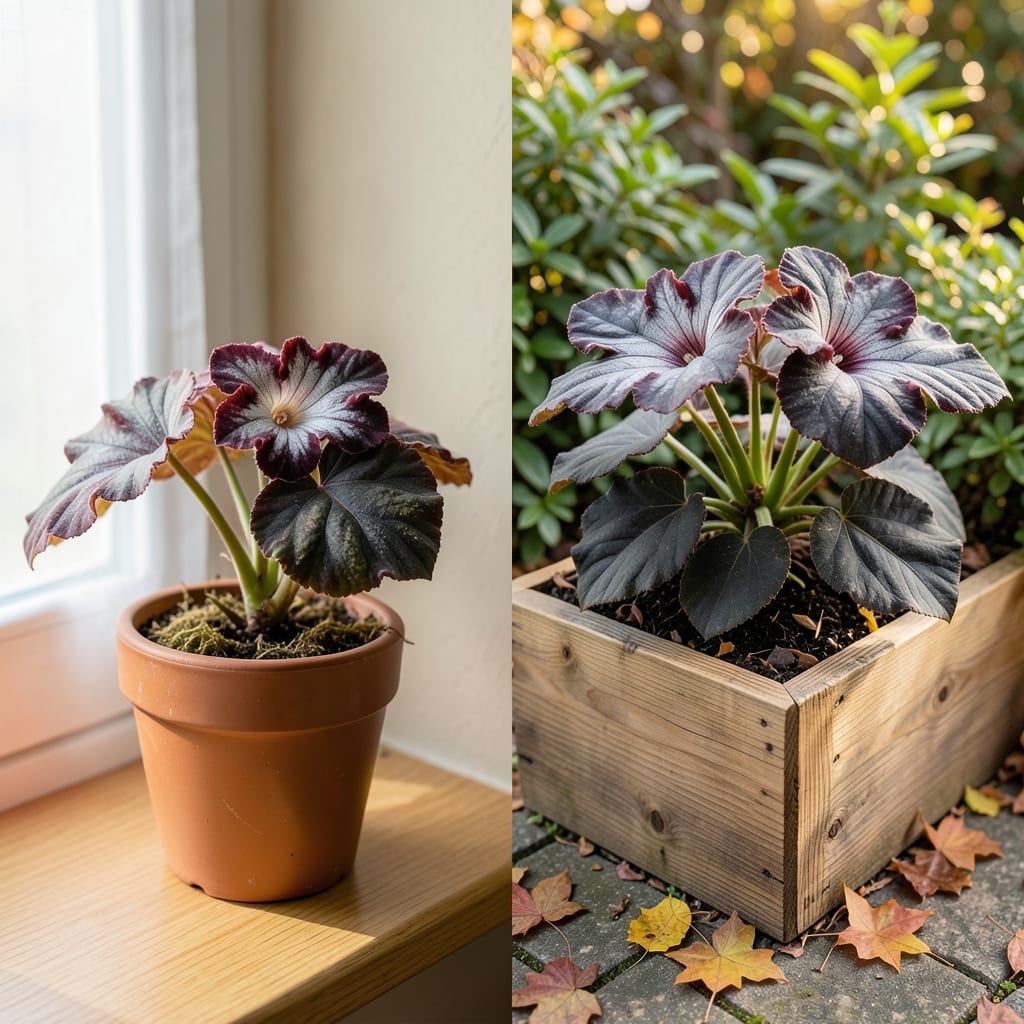
If you're dreaming of adding a splash of color to your space but worry about towering plants taking over, how tall do begonia plants grow is the first question you need answered. These stunning 🌸 beauties come in a surprising range of sizes, from tiny tabletop charmers to varieties that can reach nearly waist-high in ideal conditions.
Most begonia varieties stay compact, perfect for windowsills or small shelves, while others can climb or spread more aggressively. The key difference lies in their type - tuberous begonias often stay under 12 inches, while wax or cane varieties can stretch toward 3 feet with proper care.
Whether you're planning a cozy indoor garden or a vibrant outdoor display, understanding these height variations helps you choose the perfect begonia for your space. I'll show you exactly which varieties fit where and how to keep them thriving at their ideal height.
From dwarf varieties that barely need a pot to towering specimens that need sturdy supports, begonias offer something for every gardener's needs. Let's explore how to select and care for these versatile plants to get the perfect height for your garden vision.


Begonia height variations: from tiny tubers to towering stems
When choosing begonias, size matters more than you might think. The height of begonia plants depends entirely on their type, with some varieties staying under 6 inches while others can reach nearly 3 feet tall. Understanding these differences helps you select plants that fit your space perfectly, whether it's a windowsill garden or a backyard border.
Begonias generally fall into four main categories based on growth habits: tuberous, rex, wax, and cane types. Each has distinct height ranges and growth patterns that determine where they'll thrive best in your home or garden. Let's break down what to expect from each type.
The comparison-table below shows the key differences in mature height, growth rate, and ideal growing conditions for each begonia type. This visual guide will help you quickly identify which varieties suit your space and care preferences.
| Variety Type | Height Range | Growth Rate | Key Features |
|---|---|---|---|
| Tuberous Begonias | 6-12 inches | Moderate (6-8 weeks to bloom) | Compact, showy flowers; ideal for containers |
| Rex Begonias | 12-18 inches | Slow (foliage matures in 3-4 months) | Decorative leaves; thrives in shade |
| Wax Begonias | 12-24 inches | Moderate (continuous blooming) | Glossy leaves; prolific flowering |
| Cane Begonias | 24-36 inches | Fast (can grow 12 inches in one season) | Tall stems; needs support |
Tuberous begonias are the smallest group, typically reaching just 6-12 inches at maturity. These are perfect for windowsill gardens or small hanging baskets because they stay compact while producing abundant showy blooms. Varieties like 'Nonstop' or 'Illumination' rarely exceed 1 foot in height, making them ideal for indoor displays.
Rex begonias focus more on foliage than flowers, with their striking leopard-print leaves being their main attraction. They usually grow to 12-18 inches tall, making them great for tabletop displays or as mid-height accents in mixed containers. Their slow growth means you won't see dramatic height changes, but their leaf patterns develop beautifully over time.
Wax begonias strike a balance between height and flowering, typically reaching 12-24 inches. These versatile plants produce continuous blooms throughout the growing season, making them popular for bedding plants or container gardens. Their slightly taller stature allows them to serve as focal points in garden beds while still fitting well in larger pots.
For gardeners with more space, cane begonias offer the most dramatic height potential, often reaching 24-36 inches or more. Varieties like 'Dragon Wing' or 'Angel Wing' produce long, arching stems that need support but create stunning vertical interest. These are perfect for backyard borders or as trellis climbers in containers.
Remember that these height ranges are averages - your begonias' final size depends on factors like light exposure, container size, and pruning habits. For example, a tuberous begonia in a small pot with limited nutrients may stay shorter than one planted in well-draining garden soil with regular fertilization.
If you're working with limited space, focus on tuberous or rex varieties that naturally stay compact. For vertical gardening, consider cane begonias with their natural climbing tendencies. The right variety can transform even the smallest corner into a lush, colorful display.
Which begonia type matches your gardening goals? Whether you need a tiny tabletop plant or a towering garden statement, there's a begonia perfect for your space. The key is choosing the right variety from the start to avoid outgrowing your intended location.
How to control begonia growth height for small spaces
Even the most compact begonias can outgrow their intended space if not properly managed. The good news? With the right techniques, you can keep your begonias at your desired height while maintaining their health and beauty. For small-space gardeners, controlling height means choosing the right pruning methods, container sizes, and light conditions to encourage controlled growth.
One of the simplest ways to manage begonia height is through container selection. Smaller pots restrict root growth, which naturally limits how tall your plant becomes. For tuberous begonias that typically reach 6-12 inches, a 6-inch diameter pot is ideal. Larger containers encourage taller growth, so if you're working with limited vertical space, opt for smaller pots to keep your begonias in check.
Here's a quick callout-tip for managing height in small spaces:
🌱 Height Control Tips for Begonias
- Prune regularly: Trim back leggy stems to encourage bushier growth
- Use smaller pots: Restrict root growth to limit height
- Pinch new growth: Remove top leaves to prevent vertical stretching
- Provide bright light: Prevents elongated, weak stems
For taller varieties like cane begonias, proper support is essential. Install bamboo stakes or small trellises when plants reach about 6 inches tall. This prevents them from flopping over while allowing you to control their final height through strategic pruning. Always prune just above a leaf node to encourage new growth in the right direction.
Light plays a crucial role in height control. Begonias grown in low-light conditions tend to stretch toward any available light source, creating leggy plants. To maintain compact growth, place your begonias near an east-facing window where they receive bright, indirect light for 4-6 hours daily. Avoid placing them in dark corners, which will encourage rapid vertical growth.
Another effective technique is pinching back new growth when plants are young. Simply remove the top set of leaves with your fingers or clean pruners. This encourages the plant to branch out rather than grow taller. Repeat this process every few weeks during the growing season to maintain your desired height and create a fuller, bushier plant.
Remember that even with these techniques, some begonia varieties will naturally outgrow small spaces. If you love the look of taller begonias but have limited room, consider growing them vertically. Use wall-mounted planters or hanging baskets to take advantage of vertical space while keeping your floors clear. With these strategies, you can enjoy beautiful begonias regardless of your space constraints.