
Size
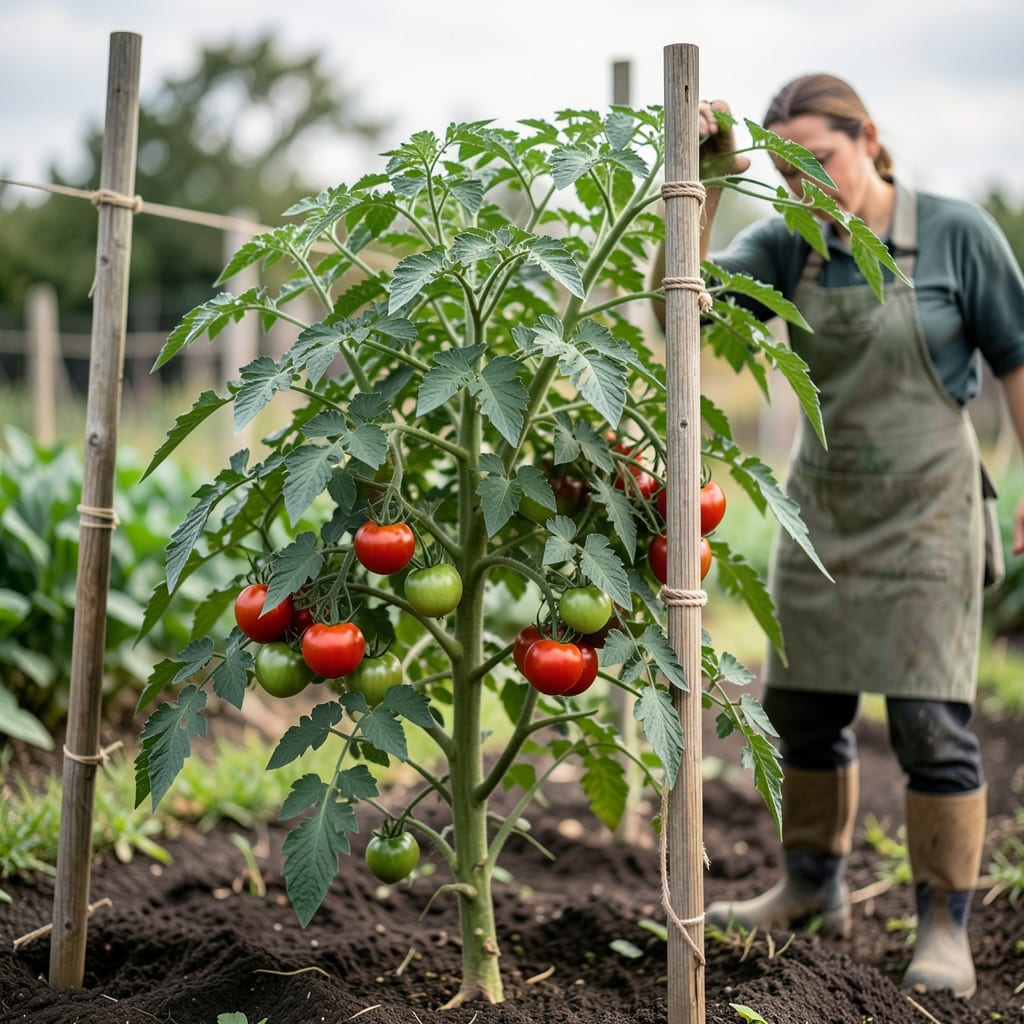
If you’ve ever planted a Big Beef tomato 🍅 and wondered how tall these plants can grow, you’re not alone—these vines can easily reach 4 to 6 feet (or even taller!) if left unchecked. Their towering growth isn’t just a quirk; it’s a clue that proper support and pruning are the key to keeping them productive and your harvests bountiful.
But here’s the catch: without guidance, those sprawling vines can become a garden management nightmare, snapping under the weight of heavy fruit or sprawling everywhere. The good news? With the right techniques, you can control their height while maximizing yield—and I’ll show you exactly how.
Whether you’re a first-time gardener or a seasoned pro, understanding how tall your Big Beef tomato plants can grow—and how to manage that growth—will save you time, space, and frustration. Let’s dive into the secrets of pruning, spacing, and support systems that make all the difference.
From trellises to strategic trimming, I’ll walk you through everything you need to know to keep your tomato plants thriving at the perfect height. Ready to turn those sky-high vines into a high-yielding garden star?

Big Beef tomato plant height by variety: what to expect from indeterminate giants
If you’ve planted Big Beef tomatoes, you’ve likely noticed their impressive vertical growth. Unlike their determinate cousins, these indeterminate varieties don’t stop climbing until frost hits. On average, expect 4 to 6 feet of height, but with proper care—or neglect—they can easily surpass 8 or even 10 feet in ideal conditions. Their sprawling habit is why they need support systems from day one.
The key difference between Big Beef and other tomatoes lies in their growth habit. While determinate varieties grow to a fixed size (usually 3–4 feet) and produce fruit in clusters at the top, Big Beef plants keep growing upward, producing fruit along the entire stem. This makes them perfect for vertical gardening, but also means their height can become unmanageable without intervention.
Let’s break down the height expectations for popular Big Beef varieties. Most commercial hybrids like ‘Big Beef Hybrid’ or ‘Beefsteak’ varieties reach 5–6 feet under normal conditions. However, heirloom varieties or those grown in tropical climates with long growing seasons can exceed 8 feet if left unpruned. The secret to controlling their height lies in pruning and support—more on that later!
Here’s a quick reference for Big Beef tomato height by variety and growth stage:
| Variety | Mature Height (ft) | Growth Habit | Notes |
|---|---|---|---|
| Big Beef Hybrid | 4–6 ft | Indeterminate | Classic beefsteak type; needs pruning for best yield. |
| Beefsteak (Heirloom) | 6–10 ft | Indeterminate | Can grow taller in warm climates; prune aggressively. |
| Brandywine | 5–8 ft | Indeterminate | Slow to mature but produces massive fruit. |
| Cherokee Purple | 5–7 ft | Indeterminate | Disease-resistant; great for containers with support. |
Understanding these height ranges helps you plan your garden layout. For example, if you’re growing Big Beef tomatoes in containers, opt for a 5-gallon pot or larger and use a sturdy trellis. In-ground plants need 18–24 inches of spacing between each plant to prevent overcrowding, which can stunt growth or spread disease.
One common misconception is that taller tomatoes always mean bigger fruit. While Big Beef varieties are known for their large, beefy tomatoes, their height doesn’t guarantee size—it’s all about pruning and nutrition. If your plants are growing tall but producing small fruit, it could signal over-fertilizing with nitrogen or lack of sunlight. Always balance height control with fruit development for the best results.
Another factor influencing height is the growing season length. In short-season climates (like Zone 5 or cooler), Big Beef tomatoes may only reach 4–5 feet before frost. In long, hot summers (Zones 8–10), they can easily hit 8+ feet if unchecked. Adjust your pruning schedule accordingly—more aggressive trimming in warm climates, lighter in cooler ones.
Pro tip: If you’re growing Big Beef tomatoes in small spaces, consider espalier training. This technique involves guiding the vines along a flat surface (like a fence or wall) to save space while still maximizing height. It’s a game-changer for urban gardeners or those with limited square footage!
Finally, remember that height isn’t the only metric for success. A 6-foot Big Beef tomato plant with weak stems or few flowers is less productive than a 4-foot plant with proper care. Focus on balanced growth: tall enough for airflow and fruit production, but not so tall that it becomes unmanageable. With the right approach, your Big Beef tomatoes will thrive at the perfect height—and your harvest will thank you! 🌱
Pruning secrets to control height: when and how to trim for maximum yield
Pruning isn’t just about keeping your Big Beef tomato plants from towering over your garden fence—it’s a game-changer for yield. When done right, strategic trimming can boost fruit production by up to 30% while controlling height. The key? Knowing when and how to prune without stunting growth. Start by removing suckers—those small shoots that grow in the leaf axils—because they compete for energy with your main stem and fruit.
Timing is everything. Begin pruning when your plants are 12–18 inches tall and have at least 3–4 sets of true leaves. This is when they’re strong enough to handle trimming but not yet overloaded with fruit. Use clean, sharp pruners to avoid damaging stems, and always cut just above a leaf node to encourage new growth. For Big Beef varieties, aim to leave 2–3 main stems if you’re growing them as a bush, or train them to a single stem for vertical growth.
Here’s a step-by-step guide to pruning for height control and maximum yield:
- 1 Remove suckers early: Snip off any shoots growing between the main stem and branches when they’re 2–3 inches tall. This redirects energy to fruit production.
- 2 Prune lateral branches: Once the plant reaches 4–5 feet, trim back side shoots to 12–18 inches long. This prevents overcrowding and improves airflow.
- 3 Stop pruning when fruiting: Once you see flower clusters, reduce pruning to avoid stressing the plant. Focus on removing only weak or diseased growth.
- 4 Use support systems: Install trellises, cages, or stakes early to guide growth. For Big Beefs, a 6-foot tall trellis works best—tie stems gently with soft ties to avoid damage.
- 5 Prune for airflow: Thin out leaves near the bottom of the plant to reduce humidity and disease risk. Aim for 12–18 inches of space between leaves for optimal airflow.
One common mistake is over-pruning, which can stress the plant and reduce fruit set. If your Big Beef tomatoes are 6+ feet tall but producing few flowers, you may have gone too far. The goal is to balance height control with fruit production. For example, if you’re growing in a container, prune more aggressively to keep the plant under 5 feet and prevent toppling.
Pro tip: Prune in the morning to allow wounds to heal during the day. Avoid trimming late in the day or during hot afternoons, as this increases the risk of sunburn or disease. And always sterilize your pruners with rubbing alcohol between cuts to prevent spreading pathogens. With the right pruning strategy, your Big Beef tomatoes will stay manageable in height while delivering a bountiful harvest! ✂️
Finally, don’t forget that support systems are just as critical as pruning. Whether you choose a cage, stake, or trellis, ensure it’s sturdy enough to handle the weight of 6–8 pound tomatoes. A flimsy support will snap under pressure, leaving your plants vulnerable. Pair your pruning efforts with the right support, and you’ll have healthy, high-yielding Big Beef tomatoes that stay within your desired height range—without sacrificing productivity.