
Size
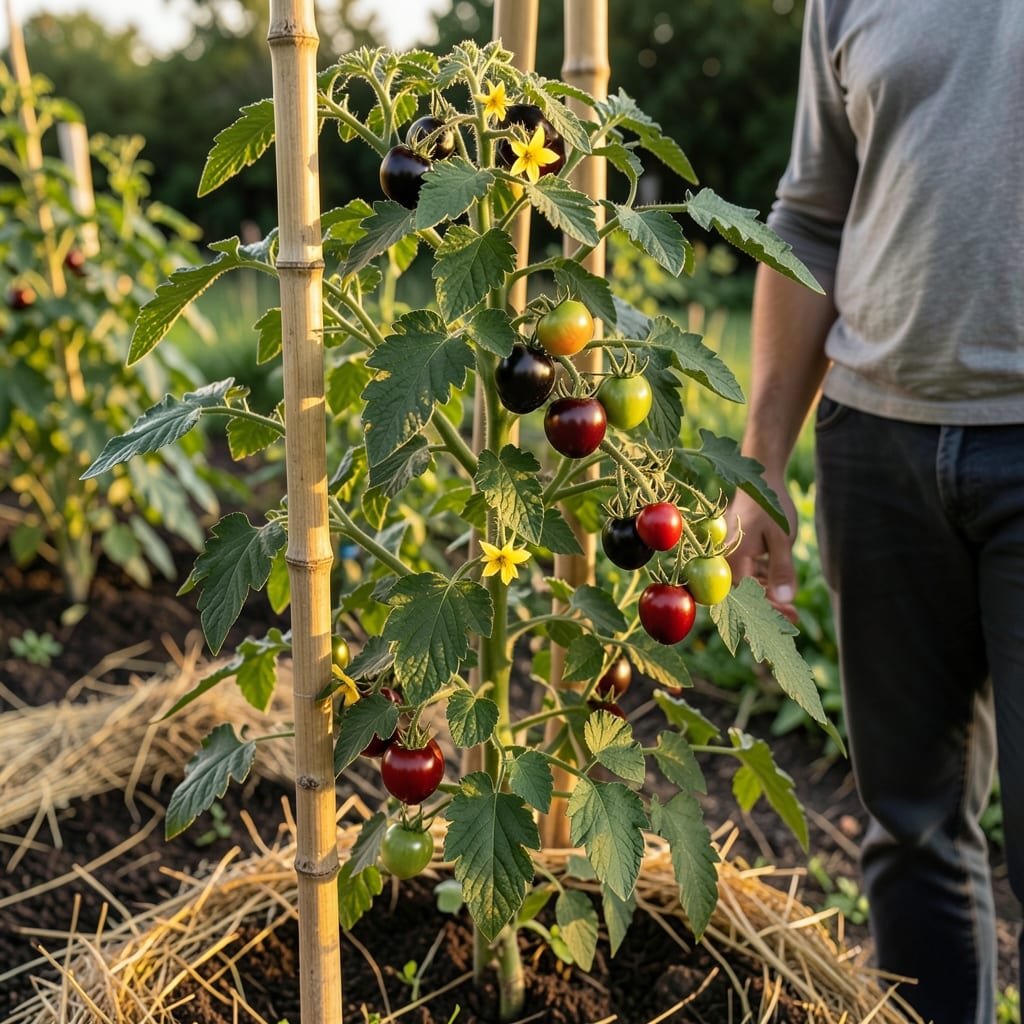
Wondering how tall do Black Cherry tomato plants grow before they take over your garden? These sweet, bite-sized 🍅 varieties can reach 4 to 6 feet if left unchecked—but with the right pruning, you can keep them compact and manageable.
If you're working with limited space, don’t let their natural height scare you off. These plants are surprisingly adaptable, and a little strategic pruning can turn a towering vine into a neatly controlled shrub. I’ll show you exactly how to keep them at a manageable 2 to 3 feet while maximizing your harvest.
Beyond height, there’s more to growing Black Cherry tomatoes than just space management. Whether you’re using containers or garden beds, understanding their growth habits helps you plan for support, pruning, and even companion plants. Let’s dive into the details so you can grow these flavorful gems without the hassle.
The key to success lies in knowing when and how to prune, along with a few simple care tips. With the right approach, you’ll enjoy a bountiful harvest of these juicy, sweet tomatoes—no matter how small your garden is. Ready to get started?


Black Cherry tomato plant height: natural growth vs. pruned size
Black Cherry tomato plants are indeterminate varieties, meaning they grow continuously throughout the season unless pruned. Without intervention, these vines can stretch 4 to 6 feet tall, producing clusters of sweet 1-inch fruits along their length. Their natural growth habit makes them perfect for trellises or cages, but unchecked, they’ll sprawl and take up significant space in your garden.
The key to managing their height lies in understanding their genetic growth patterns. Unlike determinate varieties that grow to a fixed height, Black Cherries keep growing until frost. This means their height can vary based on pruning practices, support structures, and even your local climate. In cooler regions, they might max out at 4 feet, while warmer areas could see them reach 6 feet or more.
If you’re working with limited space, don’t worry—pruning can reduce their height to a more manageable 2 to 3 feet. This doesn’t just save space; it also improves air circulation, reducing the risk of disease and pests. The trade-off? You’ll need to be more hands-on with maintenance, but the reward is a tidier plant with easier access to those juicy, flavorful tomatoes.
Here’s the critical difference: an unpruned Black Cherry will grow tall and sprawling, while a pruned plant stays compact and bushier. The choice depends on your garden layout and how much time you’re willing to invest in upkeep. For container growers, pruning is almost essential to keep plants from becoming top-heavy or overwhelming their pots.
Now, let’s break down the specifics with a handy comparison to help you visualize the differences:
| Factor | Unpruned Black Cherry | Pruned Black Cherry |
|---|---|---|
| Height Range | 4–6 feet | 2–3 feet |
| Growth Habit | Tall, sprawling vine | Compact, bushy plant |
| Space Needs | Requires trellis/cage | Fits in small pots or tight beds |
| Fruit Production | High yield, but may need thinning | Slightly lower yield, but easier access |
| Pruning Effort | Minimal (if using support) | Regular maintenance required |
| Best For | Large gardens, trellises | Containers, small spaces, urban gardens |
As you can see, pruning isn’t just about height control—it’s about optimizing your garden’s layout. A pruned Black Cherry will produce fewer tomatoes overall, but the ones it does bear will be larger and easier to harvest. Plus, the improved airflow reduces the risk of blight and other diseases, which is especially important in humid climates.
If you’re growing in containers or small spaces, pruning is almost a necessity. A 6-foot vine in a 5-gallon pot is a recipe for disaster—it’ll topple over or become root-bound. By keeping your plant at 2 to 3 feet, you’ll also make it easier to harvest and maintain, especially if you’re dealing with limited mobility or a busy schedule.
One common misconception is that pruning reduces yield. While it’s true that you’ll have fewer branches, the plant will focus its energy on fewer, larger fruit clusters. This means you’ll still get a plentiful harvest, just with less maintenance. For example, a pruned plant might produce 20–30 tomatoes over the season, while an unpruned one could yield 50–60—but those extra tomatoes might be harder to reach and more prone to disease.
Ready to take control of your Black Cherry’s height? In the next section, I’ll walk you through a step-by-step pruning guide so you can keep your plants compact, healthy, and productive—no matter how much space you have to work with. Let’s get those shears ready!
Black Cherry tomato plant height: natural growth vs. pruned size
Black Cherry tomato plants are indeterminate varieties, meaning they grow continuously throughout the season if left unchecked. Without pruning, these vines can reach an impressive 4 to 6 feet tall, sometimes even taller in ideal conditions. The natural growth habit makes them perfect for trellises or cages, but it also means they’ll sprawl if not managed properly.
If you’re short on space, the good news is that these plants respond beautifully to pruning. With regular maintenance, you can keep them at a more manageable 2 to 3 feet tall, making them ideal for containers, small gardens, or even balcony setups. The key is understanding their growth patterns and how pruning affects their structure.
Genetics play a huge role in how tall your Black Cherry tomatoes will grow. While they’re not true dwarf varieties, their compact growth habit compared to other indeterminate tomatoes makes them a favorite for urban gardeners. The difference between unpruned and pruned heights isn’t just about aesthetics—it also impacts air circulation, fruit production, and ease of harvesting.
| Growth Factor | Unpruned Height | Pruned Height | Key Considerations |
|---|---|---|---|
| Natural Growth Habit | 4-6 ft | 2-3 ft | Indeterminate growth continues all season |
| Space Needs | Requires trellis/cage | Fits containers or small beds | Pruning saves space for companion plants |
| Fruit Production | Slower maturation | Faster, higher yield | Pruned plants focus energy on fruit |
| Disease Risk | Higher (poor air flow) | Lower (better circulation) | Open structure reduces fungal issues |
| Harvesting Ease | Difficult (top-heavy) | Easy (compact structure) | Lower branches stay accessible |
When deciding whether to prune, consider your garden layout. If you’re using vertical space with a trellis, you might let them grow taller for easier harvesting. But if you’re working with limited horizontal space, pruning to 2-3 feet will keep your garden tidy and productive. I’ve found that pruned plants actually produce fruit faster because they’re not wasting energy on excessive vine growth.
The best time to start pruning is when your plants reach about 12-18 inches tall. This early intervention helps establish a sturdy framework while keeping the plant at a manageable height. Regular pruning also encourages the plant to put more energy into producing those sweet, 1-inch cherry tomatoes instead of long, leggy vines.
Remember, even with pruning, Black Cherry tomatoes will still grow taller over time. The goal isn’t to stunt their growth completely but to maintain a balance between height and productivity. With the right approach, you can enjoy a bountiful harvest without sacrificing garden space. 🌱