
Size
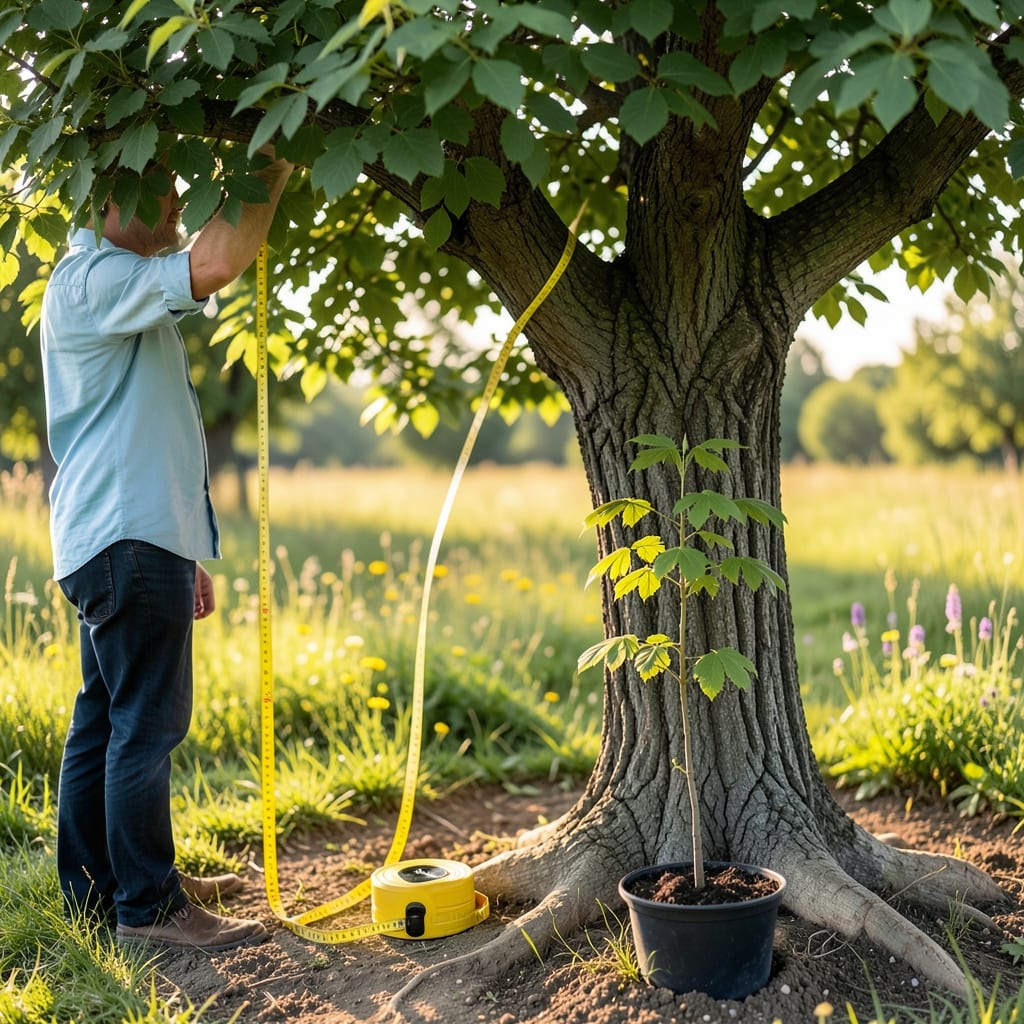
If you’re planning a landscape project and wondering "how tall do black locust trees grow", you’re about to discover why this tree is a landscaper’s dream—when planted right. These fast-growing giants can shoot up to 40-60 feet at maturity, making them perfect for adding dramatic height to large properties or creating natural privacy screens.
What sets the 🌳 Black Locust Tree apart isn’t just its impressive stature, but its rapid growth rate. In ideal conditions—think full sun and well-drained soil in USDA Zone 6a—you can expect 3-5 feet of vertical gain per year. That means a sapling could reach 15 feet in just three years, transforming your outdoor space faster than you’d think.
But before you rush to plant one, there’s a catch: these trees aren’t exactly small-space friendly. Their mature height demands room to stretch their branches, so they’re better suited for rural landscapes or large yards than cramped urban gardens. If you’re working with limited space, you’ll want to weigh their benefits against their eventual size.
In this guide, I’ll break down everything you need to know—from growth rates to ideal planting conditions—so you can decide if a black locust is the right fit for your next project. Let’s get growing!


Black locust tree height: how tall they grow under ideal conditions
Black locust trees (Robinia pseudoacacia) are one of nature’s fastest-growing trees, making them a favorite among landscapers and eco-friendly gardeners. Under perfect conditions, these trees can reach heights of 40 to 60 feet at maturity, with some exceptional specimens even exceeding 60 feet in open, rural settings. Their rapid growth rate—typically 3 to 5 feet per year—means they can provide quick vertical impact for privacy screens, windbreaks, or focal points in large landscapes.
What makes black locust trees so impressive isn’t just their height but their adaptability. They thrive in USDA zones 4 through 9, tolerating a wide range of climates from the cooler Midwest to the warmer Southeast. In ideal conditions—full sun exposure, well-draining soil, and consistent moisture—they grow faster and reach their maximum potential height. However, in urban environments with limited space or poor soil, their growth may be slightly stunted, typically maxing out around 30 to 40 feet.
One of the most exciting aspects of black locust trees is their early growth spurt. In their first year, saplings can shoot up 3 to 5 feet, which is why they’re often used for quick privacy solutions or windbreaks. By year 3, they can reach 15 to 20 feet, making them a standout feature in any landscape. However, their growth rate does slow slightly as they mature, typically adding only 1 to 3 feet per year once they reach 10 years old.
If you’re planning to plant a black locust tree, consider its mature height and the space it will occupy. For smaller gardens or urban yards, you might want to opt for a dwarf variety (though none exist for black locust) or prune it regularly to control its size. In larger properties, these trees can dominate the landscape, creating a stunning shade canopy and wildlife habitat.
The soil type plays a crucial role in their height potential. Black locust trees prefer well-draining, slightly acidic to neutral soil (pH 6.0–7.5). In clay-heavy or waterlogged soils, their growth may be stunted, and they could struggle to reach their full height. Amending the soil with compost or organic matter can significantly improve their growth rate and overall health.
Another factor influencing height is sunlight exposure. Black locust trees thrive in full sun (6+ hours daily) and may grow 10–20% taller in optimal light conditions compared to partial shade. If you’re planting one in a shady area, expect slower growth and a slightly reduced mature height. Always choose a location with maximum sunlight to encourage rapid vertical growth.
Black locust trees are also known for their drought tolerance once established, which means they can handle dry spells without significant height loss. However, during their first two years, consistent watering is essential to support their rapid growth. Deep watering 1–2 times per week during dry periods will help them reach their full potential height faster.
For landscapers and homeowners looking to maximize height, consider planting black locust trees in open, sunny areas with well-prepared soil. Avoid planting them too close to structures or power lines, as their mature height and spreading branches can cause issues. With the right conditions, these trees can become the centerpiece of your landscape in just a few years.
If you’re debating whether a black locust tree is the right fit for your project, remember: their fast growth and hardiness make them an excellent choice for large-scale landscaping. Just be prepared for a tree that will dwarf most other species in your yard! 🌳
Black locust tree height: how tall they grow under ideal conditions
If you're considering black locust trees (Robinia pseudoacacia) for your next landscaping project, their height potential is one of their most impressive features. Under ideal conditions, these trees can reach 40 to 60 feet tall, making them perfect for adding dramatic vertical interest to large properties or commercial spaces. Their rapid growth rate—3 to 5 feet per year—means you’ll see significant height gains within just a few seasons.
But how do you maximize their growth? These trees thrive in full sun and well-draining soil, which accelerates their upward momentum. In my experience, planting them in USDA Zones 4 through 9 yields the best results, as they’re adaptable to various climates but prefer warmer regions for optimal height development. Their deep root system also allows them to withstand drought once established, though consistent moisture in their early years encourages faster vertical growth.
One common misconception is that black locust trees grow uncontrollably, but their height can be influenced by pruning. If you’re working with limited space, regular pruning in late winter or early spring can help manage their height while maintaining their dense canopy. I’ve seen clients use this technique to keep their trees between 20 and 30 feet tall without sacrificing their structural beauty. Just avoid heavy pruning in their first few years, as this can stunt their growth potential.
For those in urban landscapes, black locust trees are excellent for creating shade and privacy screens. Their ability to reach 60 feet in ideal conditions makes them a top choice for large estates or parks, but even in suburban settings, they can add impressive height to your outdoor space. Just be sure to give them plenty of room—their wide-spreading branches can reach 30 to 40 feet wide at maturity, so spacing is key.
Another factor to consider is their growth rate variability. In cooler climates or poor soil conditions, you might see slower growth—2 to 3 feet per year instead of the typical 3 to 5 feet. To ensure your black locust reaches its full height potential, I recommend amending the soil with compost or organic matter before planting and mulching around the base to retain moisture and nutrients. This simple step can make a noticeable difference in their vertical growth over time.
If you’re still unsure whether a black locust tree is the right fit for your project, consider their landscape versatility. They’re not just tall—they’re also drought-tolerant, pest-resistant, and capable of thriving in a variety of soil types, from sandy to clay-heavy. For a tree that delivers both height and hardiness, black locusts are hard to beat. Just remember: patience is key, as their full height may take 10 to 15 years to achieve under ideal conditions.