
Trees
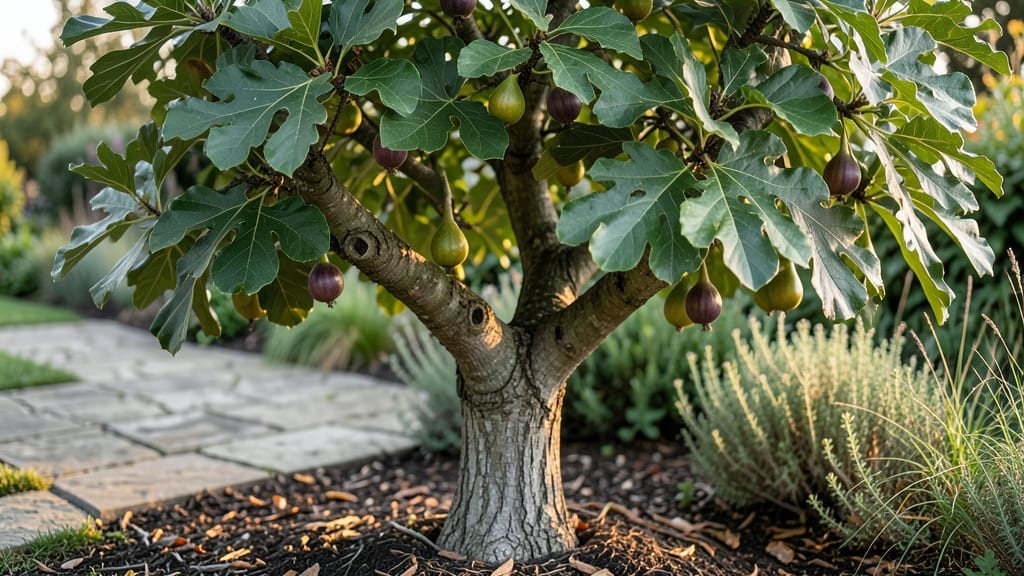
Chicago fig tree height guide: urban-friendly varieties under 15 feet
When choosing a Chicago fig tree for your yard, height is often the first concern—especially in urban spaces. While standard figs can tower over 20 feet, many compact varieties stay well under 15 feet at maturity.
These dwarf and semi-dwarf types are perfect for patios, small yards, or even large containers, making them ideal for city gardeners.
The Chicago Hardy Fig (a cold-hardy cultivar) typically grows between 10-15 feet when grown in optimal conditions. However, its growth rate depends heavily on pruning practices, container size, and soil quality. In containers, you can easily keep it under 8 feet with regular maintenance.
Below is a quick reference for popular Chicago fig varieties and their mature heights, helping you pick the right one for your space.
For first-year growth, expect your Chicago fig tree to reach 2-4 feet if planted in spring. By year two, it can shoot up to 6-10 feet, so plan accordingly if you’re working with limited space.
The key to controlling height lies in pruning and container size, which we’ll cover in the next section.
If you’re planting in USDA Zone 6a or colder, choose cold-hardy varieties like Chicago Hardy, which can tolerate brief drops to -15°F with proper winter care. These varieties are bred to stay compact while still producing abundant fruit, making them a win-win for urban gardeners.
One common misconception is that all fig trees grow tall—this isn’t true! With the right variety and care, you can enjoy a fruit-bearing fig tree that fits perfectly in your balcony garden or small backyard.
Just remember: dwarf varieties require the same sunlight and soil conditions as their taller counterparts.
For container gardening, select a pot at least 24 inches wide and 2 feet deep to accommodate root growth. Larger containers may slow height growth slightly, but they also require more frequent watering and fertilizing to compensate for limited soil volume.
Whether you’re growing a Chicago fig tree for its ornamental leaves, sweet fruit, or both, choosing the right variety ensures it thrives without dominating your outdoor space. Next, we’ll dive into pruning tips to keep your tree at your desired height.
Chicago fig tree height guide: urban-friendly varieties under 15 feet
When choosing a Chicago fig tree for your urban garden, size matters—especially if you're working with limited space. While standard fig trees can reach 20-30 feet, many compact varieties stay well under 15 feet when properly cared for.
These smaller options still produce abundant fruit and stunning foliage, making them perfect for patios, courtyards, or even large containers.
The Chicago Hardy fig (also called Chicago fig) is a cold-hardy cultivar that typically matures between 12-18 feet in ideal conditions. However, its growth rate and final height can vary based on pruning, soil quality, and sunlight exposure.
For true dwarf options, varieties like 'Little Miss Figgy' or 'Celeste' rarely exceed 8-10 feet, even in their mature years.
| Variety | Mature Height | Growth Rate | Best For |
|---|---|---|---|
| Chicago Hardy | 12-18 ft | Moderate (1-2 ft/year) | Yards, large containers |
| Little Miss Figgy | 8-10 ft | Slow (6-12 in/year) | Containers, small spaces |
| Celeste | 10-12 ft | Moderate (1 ft/year) | Balconies, courtyard |
| Brown Turkey | 15-20 ft (pruneable) | Fast (2-3 ft/year) | Large yards, espalier |
If you're planning to grow your Chicago fig tree in a container, expect 20-30% smaller mature heights due to root restriction. For example, a 'Little Miss Figgy' in a 15-gallon pot might only reach 6-8 feet.
Always choose a container with drainage holes and use a well-draining potting mix to prevent root rot, which can stunt growth.
For urban gardeners, spacing is key. Plant your fig tree at least 8-10 feet from structures or other plants to allow for airflow and future growth.
In tight spaces, consider espalier training—this technique keeps the tree flat against a wall or fence, reducing its footprint while maximizing fruit production. Just be sure to prune regularly to maintain the desired shape and size.
Remember that pruning in late winter (just before new growth begins) is the best way to control height. Remove 1/3 of the previous year's growth annually to encourage bushier growth and prevent the tree from becoming too tall.
With consistent care, even standard varieties can be kept under 15 feet in urban settings.
For those with very limited space, consider 'Violette de Bordeaux' or 'Desert King'—both stay under 8 feet and thrive in containers. These varieties offer the same sweet fruit and glossy leaves as their taller counterparts but with far less maintenance.