
Trees
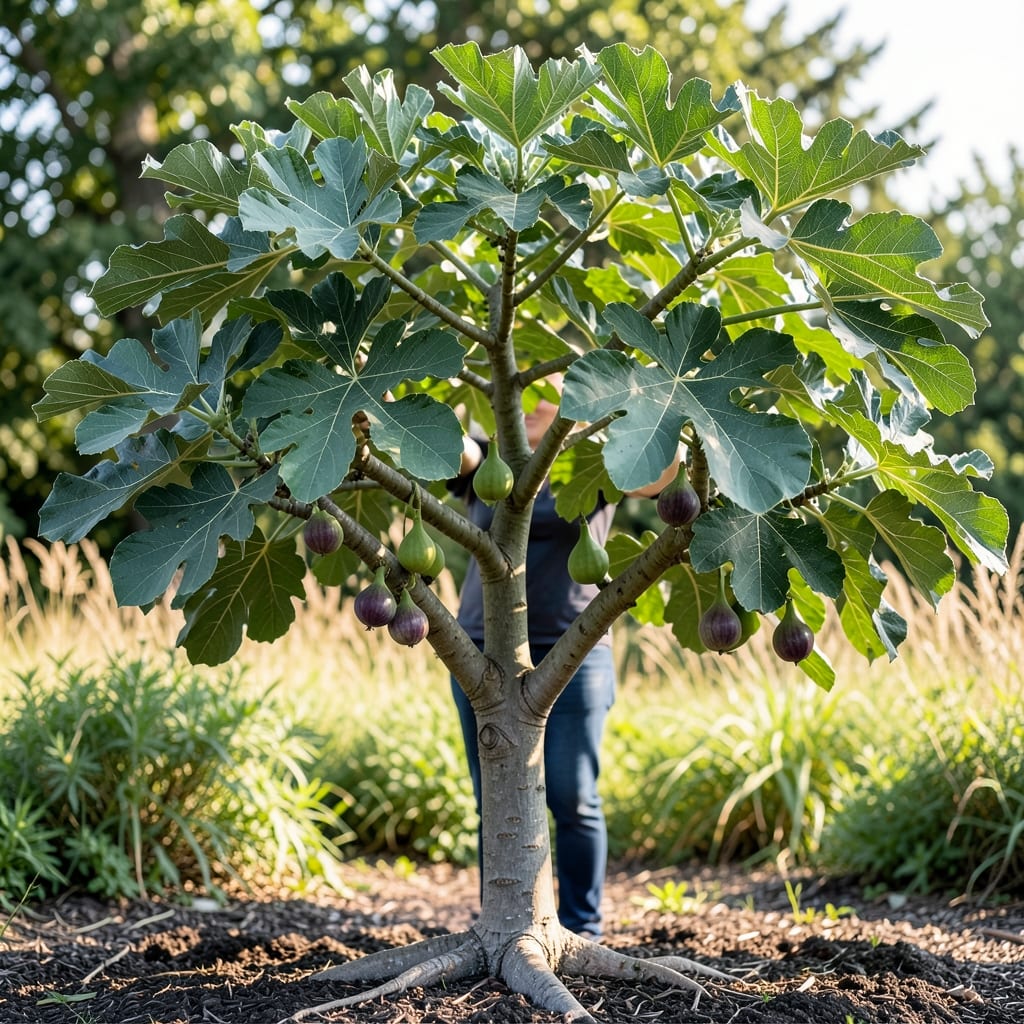
If you're wondering how tall can fig trees grow, the answer might surprise you—these trees can stretch from compact patio-friendly sizes to towering giants that dwarf your backyard! With varieties ranging from under 6 feet to over 30 feet, your space and goals determine which type of 🍈 thrives best in your garden.
The key to managing their height lies in choosing the right variety and understanding their growth habits. Some fig trees grow slowly, making them perfect for containers, while others shoot up quickly if left unchecked. Whether you're working with limited space or dreaming of a shade-providing giant, knowing these differences is the first step to success.
In this guide, I'll break down the height ranges of popular fig tree varieties, from dwarf options for small gardens to towering standards that need room to spread. You'll also discover how pruning, sunlight, and soil can influence their growth—so you can shape your tree to fit your needs.
Ready to pick the perfect fig tree for your space? Let's explore how to select, grow, and maintain these versatile trees so you can enjoy their delicious fruit without the headaches of unmanageable size.


Fig tree height by variety: dwarf to giant growth ranges explained
Fig trees are incredibly versatile, and their mature height can vary dramatically depending on the variety you choose. If you're working with limited space, some dwarf varieties stay under 6 feet tall, making them perfect for containers or small patios. On the other end of the spectrum, standard fig trees can soar to 30 feet or more, providing shade and a dramatic focal point in larger gardens. The key to success is matching the variety to your space and care goals.
Understanding these height differences helps you plan your garden layout and avoid overcrowding. For example, a 10-foot tree fits neatly in a backyard, while a 25-foot giant requires ample room to spread its branches. Below, I’ve categorized fig trees by their typical mature heights, along with care tips to help you achieve the size you want.
🌱 Did You Know? Some fig trees, like the 'Brown Turkey' variety, can grow aggressively if left unpruned, while others, such as 'Little Miss Figgy', are bred to stay compact. Your choice of variety directly impacts how much space your tree will occupy over time.
| Variety | Mature Height | Growth Rate | Best For |
|---|---|---|---|
| Little Miss Figgy | 4-6 ft | Slow | Containers, patios |
| Osborn Prolific | 6-10 ft | Moderate | Small gardens, urban yards |
| Celeste | 10-15 ft | Fast | Backyard shade trees |
| Brown Turkey | 15-25 ft | Very Fast | Large gardens, rural properties |
| Violette de Bordeaux | 20-30 ft | Fast | Shade trees, landscapes |
If you're growing fig trees in containers, dwarf varieties like 'Little Miss Figgy' are ideal because they won’t outgrow their pots. These trees thrive in 15-20 gallon containers and can be moved indoors during winter to protect them from frost. Their slow growth makes them low-maintenance, perfect for beginners or busy gardeners.
For those with more space, medium-height varieties like 'Celeste' or 'Osborn Prolific' strike a balance between manageable size and productive fruit yields. These trees can reach 10-15 feet tall but grow at a controlled pace, making them great for backyard orchards. Pruning in late winter helps maintain their shape and encourages stronger fruit production.
Towering varieties like 'Brown Turkey' or 'Violette de Bordeaux' are best suited for rural properties or large gardens where they can spread their roots and branches freely. These giants can reach 20-30 feet and provide ample shade, but they require regular pruning to keep them from becoming unruly. If you love the idea of a shade-providing fig tree, these varieties are excellent choices—just be prepared for their rapid growth.
One factor that influences height is pruning frequency. Regular pruning in late winter or early spring helps control the tree’s size and shape. For example, if you want to keep a 'Brown Turkey' under 15 feet, prune back 20-30% of its growth each year. This practice also improves air circulation, reducing the risk of fungal diseases.
Another consideration is climate and sunlight. Fig trees grown in full sun (6+ hours daily) tend to grow taller and produce more fruit than those in partial shade. In cooler climates, like USDA Zone 7 or below, fig trees may grow more slowly and stay smaller unless protected from frost. If you live in a colder region, choose a cold-hardy variety like 'Chicago Hardy' or grow your tree in a container for easier winter care.
Finally, soil quality plays a role in how tall your fig tree grows. Well-draining, slightly alkaline soil (pH 6.0-7.5) encourages strong root development, which supports taller growth. Amend heavy or clay soils with compost or sand to improve drainage and prevent root rot, which can stunt growth.
Whether you're dreaming of a patio-sized fig tree or a shade-giving giant, the right variety and care routine will help you achieve your goals. Next, we’ll explore how to control fig tree height using pruning and training techniques—so you can shape your tree to fit your space perfectly.
How to control fig tree height: pruning and training techniques for small spaces
Controlling the height of your fig tree isn’t just about aesthetics—it’s essential for maintaining fruit production, airflow, and ease of care. Whether you’re working with a container-grown dwarf or a backyard standard, pruning and training techniques can shape your tree to fit your space perfectly. The key is understanding when and how to prune, as well as using training methods to guide growth in the right direction.
Pruning fig trees at the right time is crucial. The best time to prune is in late winter or early spring, just before new growth begins. This timing allows you to remove dead or diseased branches while encouraging strong, healthy growth for the season. Avoid pruning in fall or winter, as this can stimulate new growth that won’t survive frost, leaving your tree vulnerable to cold damage.
🌱 Pro Tip: Always use sterilized pruning shears to prevent spreading disease between cuts. Fig trees are prone to fungal infections, so keeping your tools clean is a simple way to protect your tree’s health. Additionally, make cuts just above a bud or branch node to encourage new growth in the right direction.
- 1 Assess the Tree: Inspect your fig tree for dead, crossing, or weak branches. Remove these first to improve airflow and reduce disease risk.
- 2 Shape the Canopy: Prune to create an open center, allowing sunlight to reach the inner branches. This encourages fruit production and reduces the risk of fungal issues.
- 3 Control Height: To keep a fig tree under 10 feet, prune back 20-30% of its height annually. For dwarf varieties, limit pruning to 10-15% of growth to maintain their compact size.
- 4 Train for Structure: Use stakes or a trellis to guide young fig trees into a single-trunk shape. This prevents multiple trunks from forming, which can make the tree look unruly and harder to manage.
- 5 Fertilize After Pruning: Apply a balanced fertilizer (6-6-6) 4-6 weeks after pruning to support new growth. Avoid heavy fertilization in late summer, as this can stimulate tender growth that won’t survive winter.
For container-grown fig trees, pruning is even more critical because space is limited. Dwarf varieties like 'Little Miss Figgy' can be pruned lightly to encourage bushier growth, but avoid over-pruning, as this can reduce fruit production. If your container tree outgrows its space, consider root pruning—gently trimming the roots when repotting to encourage a more compact root system.
Another effective technique for controlling height is heading back, where you cut the tips of branches to promote bushier growth. This method is especially useful for fig trees that grow too tall too quickly, like 'Brown Turkey'. By heading back branches in early spring, you can redirect energy toward lateral growth, keeping the tree shorter and fuller. Just be sure to leave at least 3-4 buds on each cut branch to ensure new growth.
If you’re growing fig trees in small gardens or urban spaces, consider using espalier training. This technique involves training the tree to grow flat against a wall or fence, which not only saves space but also makes harvesting fruit easier. Espaliered fig trees can be pruned into decorative shapes, adding aesthetic value to your garden while keeping their height in check.
Finally, remember that consistency is key. Regular pruning—even just a little each year—will keep your fig tree at a manageable height and improve its overall health. Whether you’re aiming for a patio-sized tree or a shade-providing giant, these techniques will help you achieve the perfect size for your space. Next, we’ll explore the best dwarf fig varieties for containers and small gardens, so you can pick the perfect fit for your needs.