
Plants
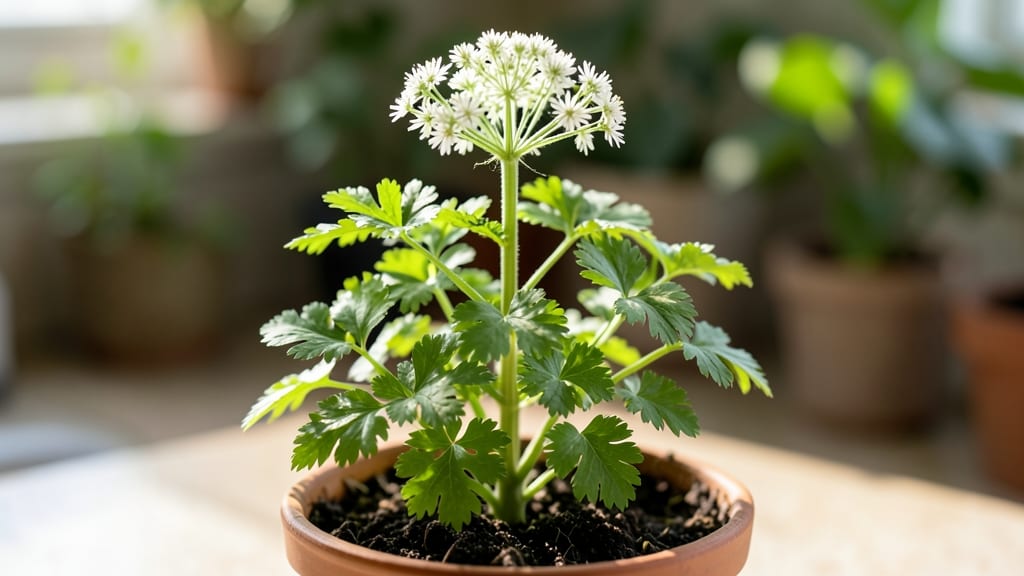
Cilantro plant height by variety: compact vs. tall growth habits
Cilantro plants typically reach heights between 6 and 24 inches at maturity, but their growth patterns vary dramatically by variety. Some stay compact and bushy, while others stretch tall and leggy—understanding these differences helps you choose the right type for your garden space and harvest goals.
If you're growing cilantro in containers, dwarf varieties like 'Calypso' or 'Santo' stay under 12 inches, making them perfect for windowsills or small patios. Meanwhile, standard varieties like 'Slow Bolt' can reach up to 2 feet, requiring more space in your garden layout.
Here’s how cilantro height breaks down by growth habit—plus how each affects your harvest:
| Variety | Mature Height | Growth Habit | Best For |
|---|---|---|---|
| 'Calypso' | 6–12 inches | Compact, bushy | Containers, small spaces |
| 'Santo' | 8–14 inches | Dwarf, slow-bolting | Windowsills, urban gardens |
| 'Slow Bolt' | 12–24 inches | Tall, leggy if overcrowded | In-ground gardens, larger pots |
| 'Leisure' | 10–18 inches | Semi-dwarf, heat-tolerant | Warm climates, balcony gardens |
| 'Saffron' | 18–24 inches | Tall, bolt-resistant | Large gardens, long harvests |
*Height varies with growing conditions—pruning and sunlight play key roles!
For container gardening, stick to varieties under 12 inches to avoid root-bound stress. In ground beds, taller varieties like 'Saffron' thrive but may need staking or trellising if they flop over in wind or rain.
Pro tip: If you’re growing cilantro for long-term harvests, prioritize slow-bolting varieties like 'Slow Bolt' or 'Leisure'. These stay productive longer, even in hot weather, which is when most cilantro bolts prematurely.
Remember, cilantro’s height isn’t just about aesthetics—it directly impacts how easily you can harvest and whether the plant stays productive or bolts. For example, 'Calypso'’s compact form means you’ll harvest more leaves per square inch, while 'Saffron'’s height gives you bigger leaves but requires more space.
If you’re new to growing cilantro, start with a mix of dwarf and standard varieties to test what works best in your climate. For instance, in cool, coastal areas, cilantro may stay shorter and leafier, while in hot, inland zones, it might stretch taller faster.
Lastly, don’t forget that pruning encourages bushier growth. Regularly snipping the outer leaves of taller varieties like 'Slow Bolt' keeps them from becoming leggy or woody, ensuring a steady supply of fresh cilantro for your kitchen.
🌱
Why your cilantro plants grow too tall (and how to control it)
If your cilantro plants are stretching skyward like overgrown weeds, you’re not alone. Excessive height in cilantro often signals stress—whether from heat stress, poor soil, or overcrowding. Understanding the root causes helps you regain control over those leggy stems and restore bushy, harvest-ready growth.
Heat and drought are the #1 culprits for tall, spindly cilantro. When temperatures rise above 75°F (24°C), cilantro bolts (sends up a flower stalk) and grows tall in a desperate attempt to reproduce. Even without bolting, dry soil forces plants to stretch toward any available moisture, creating weak, elongated stems that flop over.
Poor soil quality also plays a role. Cilantro thrives in rich, well-draining soil packed with organic matter. If your soil is nutrient-poor or compacted, roots struggle to anchor the plant, leading to excessive height as the plant searches for stability. Even over-fertilizing with nitrogen can cause rapid but weak growth, making plants more prone to toppling.
Overcrowding is another common trigger. When cilantro seedlings compete for light and nutrients, they grow tall and thin to reach the surface. This is especially true if you’re growing cilantro in containers or dense garden beds without proper spacing (aim for 6–12 inches apart for bushy varieties).
🌡️ Heat & Drought Warning
Cilantro bolts and stretches when temps exceed 75°F (24°C). To prevent this:
- Provide afternoon shade in hot climates (use shade cloth or plant near taller crops).
- Water deeply 1–2 inches per week to encourage deep root growth.
- Avoid mulching with straw—opt for straw mulch alternatives like wood chips to retain moisture.
Fortunately, pruning and companion planting can help you reclaim control. Start by pinching back the tallest stems just above a set of leaves. This encourages bushier growth and redirects energy toward leaf production.
For container-grown cilantro, harvest leaves frequently to prevent legginess—aim to cut no more than 1/3 of the plant at a time.
Companion planting is another game-changer. Pair cilantro with shade-providing plants like lettuce, spinach, or bush beans to naturally reduce heat stress. Alternatively, interplant with fast-growing crops (e.g., radishes) that you harvest before cilantro bolts. This rotational strategy keeps your garden productive while maintaining ideal cilantro height.
For persistent tall growth, consider switching to dwarf varieties like ‘Calypso’ or ‘Santo’, which max out at 12–18 inches tall. These varieties are bred to stay compact, even in warm conditions.
If you’re growing cilantro in containers, choose shallow pots (6–8 inches deep) to discourage deep root growth and legginess.