
Plants
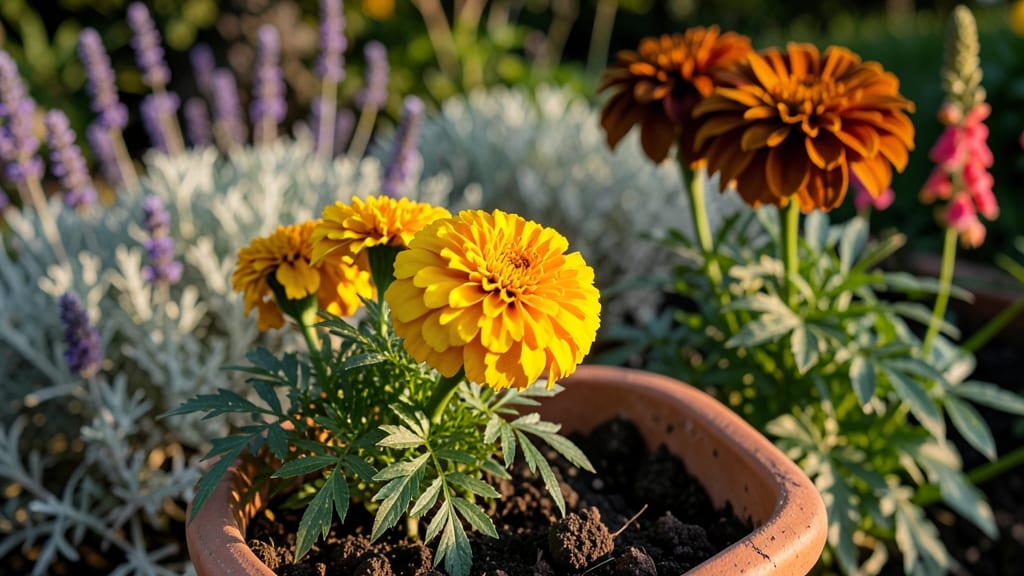
If you're planning your garden layout and wondering "how tall do marigold plants grow", the answer might surprise you—these cheerful 🌼 blooms can range from tiny tabletop companions to towering border stars, depending on the variety you choose.
Dwarf marigolds stay compact at just 6-12 inches, perfect for containers or edging, while standard varieties can reach 2-3 feet, making them ideal for borders or mixed flower beds.
The key to getting the height you want starts with selecting the right type for your space and growing conditions.
Sunlight, soil quality, and proper spacing all play a role in how tall your marigolds will grow. With the right care, you can encourage your plants to reach their full potential—or keep them neatly contained if you prefer a more controlled look.
Whether you're a first-time gardener or a seasoned pro, understanding these growth patterns will help you create a stunning, well-balanced garden that thrives all season long.


Marigold height ranges: dwarf vs standard vs giant varieties
Marigolds are one of the most versatile flowers in your garden, offering everything from sunshine-yellow blooms to deep orange pom-poms. But here’s the thing: their height can swing wildly depending on the variety.
Some stay compact enough for window boxes, while others reach towering garden centerpieces. Knowing these differences helps you plan your garden layout like a pro.
If you’ve ever wondered why your marigold plants seem either too short or too tall for your space, the answer lies in their genetic growth patterns. Dwarf varieties top out at just 6 inches, while giant types can stretch over 3 feet.
This range means marigolds fit everywhere—from balcony pots to backyard borders.
Let’s break down the three main height categories so you can pick the perfect marigold for your garden’s needs. Whether you’re aiming for neat containers or dramatic bedding plants, there’s a marigold variety that’ll hit the mark.
| Category | Height Range | Popular Varieties | Best For |
|---|---|---|---|
| Dwarf | 6–12 inches | 'Tangerine', 'Bonanza', 'Little Devil' | Containers, window boxes, fairy gardens |
| Semi-Dwarf | 12–18 inches | 'French Vanilla', 'Janie', 'Goldie' | Borders, edging, small flower beds |
| Standard | 18–24 inches | 'Petite Golden Gem', 'Crackerjack', 'Indian Prince' | Mixed borders, pollinator gardens |
| Giant | 24–36 inches | 'Monarch', 'Mammoth', 'Jingle Bells' | Backyard focal points, cut flower gardens |
Choosing the right height category isn’t just about aesthetics—it’s also about plant health. Dwarf varieties, for example, need more frequent watering because their shallow roots dry out faster. Meanwhile, tall marigolds benefit from staking if they flop in windy conditions.
For container gardening, dwarf and semi-dwarf marigolds shine. Their compact size makes them perfect for 5-gallon pots or even hanging baskets. Just ensure your container has drainage holes to prevent root rot—a common issue with overwatered marigolds.
If you’re designing a pollinator garden, taller varieties like 'Monarch' or 'Mammoth' attract bees and butterflies with their bold blooms. Plant them at the back of your beds so they don’t overshadow smaller plants.
One of my favorite tricks? Mixing dwarf and giant marigolds in the same bed. The height contrast creates visual interest while keeping the garden dynamic. For example, pair 'Little Devil' (dwarf) with 'Jingle Bells' (giant) for a stunning height gradient.
Remember, marigold height isn’t set in stone—pruning and spacing can tweak their growth. In the next section, I’ll share how to naturally control marigold height without sacrificing blooms. Until then, grab your favorite variety and let your garden’s personality bloom!
🌼
Marigold height ranges: dwarf vs standard vs giant varieties
Marigolds are one of the most versatile flowers for gardeners, offering a wide range of heights that can fit into almost any space. From tiny container-friendly varieties to towering garden sentinels, understanding these categories helps you plan your layout with precision.
The key difference lies in their genetic makeup—some marigolds stay compact naturally, while others stretch toward the sky.
For small-space gardens or container growing, dwarf marigolds (6-12 inches tall) are ideal. These varieties thrive in pots, window boxes, or as edging plants. On the opposite end, giant marigolds can reach 3 feet or more, making them perfect for borders or back-of-bed planting.
The standard varieties (1-2 feet) bridge the gap, offering versatility for most garden designs.
| Height Category | Height Range | Popular Varieties | Best For |
|---|---|---|---|
| Dwarf | 6-12 inches | 'Tangerine' French Marigold, 'Bonanza Yellow' | Containers, window boxes, edging |
| Semi-Dwarf | 1-2 feet | 'Jingle Bells' Series, 'Firefly' | Borders, mixed beds, small gardens |
| Standard | 2-3 feet | 'Petite Series', 'Crackerjack' | Back-of-bed planting, borders |
| Giant | 3+ feet | 'Monarch', 'Tall Single' | Tall borders, focal points |
One common misconception is that all marigolds grow tall. In reality, French marigolds (like 'Bonanza') typically stay shorter, while African marigolds (like 'Monarch') grow much taller. Even within the same category, individual plants can vary by 6 inches or more based on growing conditions.
For example, a 'Firefly' marigold might reach 18 inches in full sun but only 12 inches in partial shade.
When planning your garden, consider how marigold height affects light exposure for other plants. Taller varieties can cast shadows, which may stunt the growth of shorter companions like basil or lettuce.
Conversely, dwarf marigolds won’t compete for sunlight with vegetables like tomatoes or peppers. Always check the mature height on seed packets before planting to avoid surprises later in the season.
For container gardening, choose dwarf varieties to prevent root-bound issues. A 5-gallon pot can comfortably hold a 12-inch marigold but may struggle with a 3-foot giant. If you love tall marigolds but have limited space, opt for sprawling varieties like 'Tangerine' that grow wide rather than upward.
This creates a lush, low-profile display perfect for patios and balconies.
Remember, marigold height isn’t set in stone—pruning and spacing can influence final size. For instance, pinching back the tips of young plants encourages bushier growth, while wider spacing allows taller varieties to reach their full potential.
With the right variety and care, you can create a marigold garden that’s as organized as it is beautiful—no matter your space constraints.