
Trees
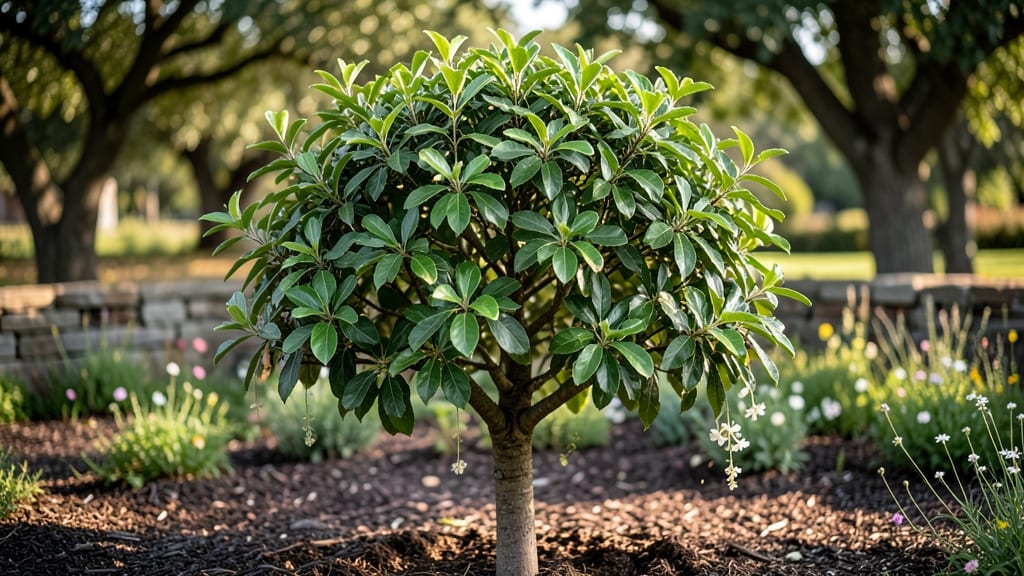
If you're dreaming of adding a Cleveland Pear Tree 🍐 to your yard, you're probably wondering just how tall these beauties can grow. The answer might surprise you—some varieties stretch toward 40 feet, while others stay manageable for smaller spaces, making them a versatile choice for any landscape.
This iconic tree isn't just about height—it's also about impact. With glossy foliage and striking fall colors, it's a standout in both rural and urban settings. But before you plant, knowing its growth potential helps you pick the perfect spot and plan for long-term care.
In this guide, I’ll break down the mature height ranges of different Cleveland Pear varieties, the factors that influence their growth, and practical tips to manage their size. Whether you're working with limited space or a sprawling backyard, you’ll learn how to keep this tree thriving without overpowering your property.
Ready to transform your outdoor space with a tree that’s as functional as it is beautiful? Let’s dive into what you need to know before planting.


Cleveland pear tree height by variety: mature sizes explained
Understanding the mature height of Cleveland pear trees is essential before planting, as varieties can range from 15 feet to over 40 feet. The standard Cleveland pear typically reaches 25-40 feet, making it a striking centerpiece for large properties.
However, newer cultivars like 'Cleveland Select' offer more manageable sizes, perfect for urban gardens.
Most Cleveland pear trees grow 1-2 feet annually in ideal conditions, with full sun exposure and well-draining soil accelerating growth. By year 5, they can reach 10-15 feet, so early planning is key.
The lifespan of these trees often exceeds 50 years, so their mature size should factor into long-term landscape planning.
Here's how the most common Cleveland pear varieties compare in height and growth habits:
| Variety | Mature Height (ft) | Growth Rate (ft/year) | Best For |
|---|---|---|---|
| Cleveland Seedling | 30-40 | 1.5-2.5 | Large yards, shade trees |
| Cleveland Select | 15-20 | 1-1.5 | Urban gardens, small lots |
| Cleveland Main | 25-35 | 1.2-2 | Suburban landscapes |
| Cleveland Dwarf | 10-15 | 0.8-1.2 | Patios, containers, small spaces |
The Cleveland Seedling variety is the original and tallest, often surpassing 30 feet with a broad canopy. Its rapid growth makes it ideal for shade provision but requires ample space. In contrast, the Cleveland Dwarf variety stays under 15 feet, making it perfect for container gardening or small yards.
When comparing heights, visualize the Cleveland Main tree at 25-35 feet—taller than most two-story homes. This variety strikes a balance between ornamental appeal and manageability, making it a favorite for suburban landscapes. Always check the nursery label for exact variety details before purchasing.
Factors like soil quality, water availability, and pruning practices can influence final height. Poor soil or drought stress may reduce growth by 20-30%, while regular pruning can maintain a more compact shape.
For urban planting, consider the 'Cleveland Select' variety, which thrives in tighter spaces while still producing abundant fruit.
Many gardeners mistakenly assume all Cleveland pears reach 40 feet, but this only applies to unpruned seedlings. With proper height management, even standard varieties can be kept between 20-25 feet. This makes them suitable for medium-sized yards with thoughtful planning.
For those with limited space, the Cleveland Dwarf variety is a game-changer. It retains the tree's ornamental beauty and fruit production while staying under 15 feet. This variety is perfect for patio planting or as a container specimen, though it may require annual repotting as it grows.
Remember, the canopy spread often equals or exceeds the tree's height. A 30-foot-tall Cleveland pear may have a 25-foot spread, so account for this when selecting planting locations. Always measure your space and choose a variety that fits both height and spread requirements.
If you're unsure which variety to choose, start with the Cleveland Select—it offers a balanced height of 15-20 feet while delivering excellent fruit yields. This versatile option works well in urban gardens, suburban yards, and even large containers.
Optimal spacing and planting tips for Cleveland pear trees
When planting a Cleveland pear tree, proper spacing is essential to ensure healthy growth and fruit production. These trees need room to develop their wide-spreading branches and deep root systems.
In most cases, plant your Cleveland pear tree at least 25 feet away from buildings, fences, or other trees to avoid competition and allow for airflow.
For urban gardens with limited space, consider the 'Cleveland Select' variety, which stays slightly shorter (around 20-25 feet) while still producing abundant fruit. Always check the specific variety’s mature height before planting to avoid overcrowding issues later on.
- 📏 Spacing: 25–35 ft apart for standard varieties
- ☀️ Sunlight: Full sun (6+ hours daily)
- 🌱 Soil: Well-draining, slightly acidic (pH 6.0–7.0)
- 💧 Watering: Deep soak weekly (first year)
- 🪴 Planting Time: Early spring (4–6 weeks after frost)
Before planting, prepare the soil by amending it with compost or organic matter to improve drainage and fertility. Cleveland pear trees thrive in well-draining soil but can tolerate a range of soil types, including clay, as long as it’s not waterlogged.
Avoid planting in low-lying areas where water pools, as this can lead to root rot.
If you’re planting multiple Cleveland pear trees, space them at least 30 feet apart to prevent overcrowding and ensure proper pollination. Cross-pollination between trees improves fruit set, so consider planting two or more varieties if you want a reliable harvest.
Just remember, these trees grow fast—up to 2 feet per year in ideal conditions!
After planting, mulch around the base of the tree to retain moisture and suppress weeds. Keep the mulch layer 2–3 inches thick and avoid piling it against the trunk to prevent rot.
Water deeply once a week during the first year to help the roots establish, then reduce frequency as the tree matures.
Finally, choose a location with full sun exposure—at least 6 hours of direct sunlight daily. Partial shade can reduce fruit production and weaken the tree’s structure over time. With the right spacing and care, your Cleveland pear tree will thrive for decades, providing both beauty and delicious fruit!