
Flowers
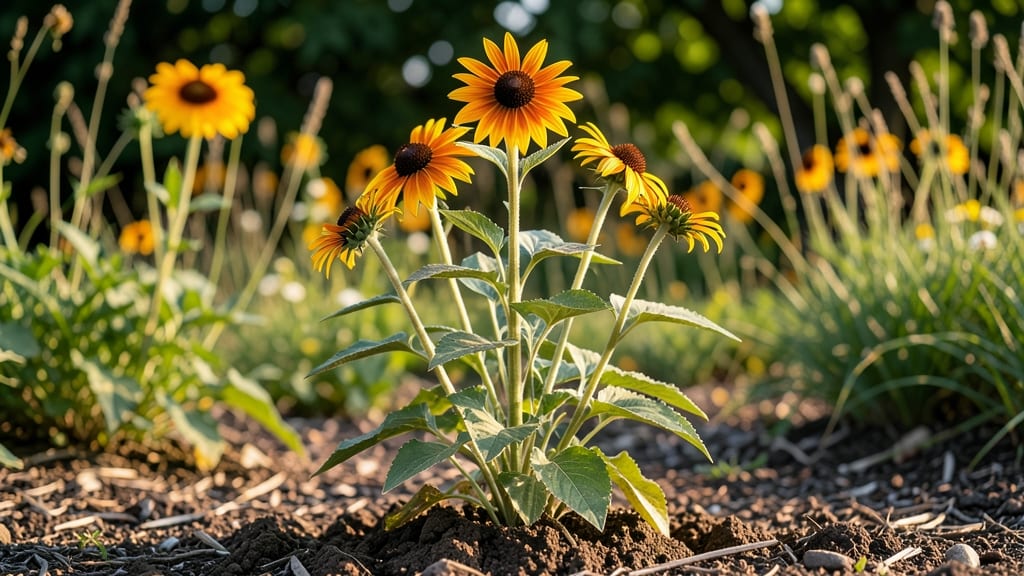
Wondering how tall do cone flowers grow before you commit to planting them in your garden? You’re not alone—many gardeners hesitate because these dramatic 🌼 blooms can range from compact to towering, depending on the variety and growing conditions.
If you’re dreaming of a pollinator-friendly garden with bold vertical interest, cone flowers (Echinacea) are a fantastic choice—but their height matters. Some varieties stay under 2 feet, perfect for borders or containers, while others stretch toward 5 feet, making them standout focal points.
The right placement can transform your space.
Sunlight, soil quality, and even pruning habits play a role in how tall your cone flowers will grow. In Zone 6a, where many gardeners plant them in spring (March–April), proper care can push them to their full potential.
Let’s break down the height ranges by variety so you can pick the perfect fit for your garden.
Ready to learn how to maximize their growth? We’ll cover everything from dwarf varieties to tall giants—and how to keep them thriving all season. Let’s get started!


Cone flower height ranges by variety: from compact to towering
Cone flowers (Echinacea) are famous for their bold vertical presence and pollinator magnet appeal, but their height varies dramatically depending on the variety. If you’re planning your garden layout, knowing these differences helps you place them strategically—whether as backdrop stars or container centerpieces.
Let’s explore the height spectrum of 12 popular varieties, from dwarf options to towering giants.
Most cone flowers reach maturity in their second year, with first-year growth focusing on root development.
By year two, you’ll see their full height potential, though some varieties grow incrementally each season. Sunlight exposure and soil fertility can also nudge them taller or shorter—6+ hours of sun maximizes their natural height, while poor soil may stunt growth.
Here’s how to choose the perfect cone flower height for your space, whether you’re working with a small balcony, a sunny border, or a wildflower meadow.
The table below breaks down 12 top varieties, their typical heights, and ideal growing zones to help you pick with confidence.
| Variety | Height Range | Growth Habit | USDA Zones | Best For | ||||||||||||||||||||||||||||||||||||
|---|---|---|---|---|---|---|---|---|---|---|---|---|---|---|---|---|---|---|---|---|---|---|---|---|---|---|---|---|---|---|---|---|---|---|---|---|---|---|---|---|
| Green Envy | 12–18 inches | Compact, bushy | 3–9 | Containers, borders | ||||||||||||||||||||||||||||||||||||
| White Swan | 36–48 inches | Tall, upright | 4–8 | Backdrop, pollinator gardens | ||||||||||||||||||||||||||||||||||||
| Magnus | 40–48 inches | Sturdy, dome-shaped | 3–8 | Cut flowers, borders | ||||||||||||||||||||||||||||||||||||
| Hot Papaya | 24–30 inches | Medium, branching | 4–9 | Mixed borders, pollinators | ||||||||||||||||||||||||||||||||||||
| Cheyenne Spirit | 28–36 inches | Upright, long bloom | 3–8 | Cutting gardens, meadows | ||||||||||||||||||||||||||||||||||||
| Purple Beauty | 30–36 inches | Classic, dome-shaped | 4–9 | Traditional gardens | ||||||||||||||||||||||||||||||||||||
| Sombrero Salsa | 18–24 inches | Semi-dwarf, vibrant | 5–9 | Containers, urban gardens | ||||||||||||||||||||||||||||||||||||
| Sunrise | 24–30 inches | Branching, multi-colored | 4–8 | Pollinator gardens |
| Variety | Height Range | Growth Habit | Best For |
|---|---|---|---|
| 'Green Envy' | 12–18 inches | Compact, bushy | Containers, front borders |
| 'White Swan' | 36–48 inches | Tall, upright | Back of borders, pollinator gardens |
| 'Magnus' | 24–36 inches | Medium, sturdy | Cut flowers, mixed beds |
| 'Kim's Knee Hi' | 18–24 inches | Semi-dwarf, spreading | Pollinator gardens, meadows |
| 'Hot Papaya' | 20–24 inches | Bushy, multi-branched | Front of borders, containers |
| 'Cheyenne Spirit' | 30–36 inches | Tall, upright | Backdrop plant, cut flowers |
| 'Sombrero Salsa' | 12–16 inches | Dwarf, spreading | Rock gardens, window boxes |
| 'Purple Beauty' | 24–36 inches | Medium, clumping | Pollinator gardens, borders |
Height isn’t the only factor—growth habits also play a role in placement. For instance, spreading varieties like 'Kim’s Knee Hi' need 18–24 inches of space to avoid crowding, while upright types like 'White Swan' can be planted 12–18 inches apart for a structured look.
Always check the USDA hardiness zone for your variety, as some taller varieties thrive in zones 3–9, while dwarf types may prefer zones 4–8.
If you’re planning a pollinator garden, mix heights for layered interest. Place tall varieties (36+ inches) at the back, medium types (24–36 inches) in the middle, and dwarf varieties (under 24 inches) in the front.
This creates a natural staircase effect that attracts bees, butterflies, and hummingbirds from all levels. Just be sure to space them properly—overcrowding can stunt growth and reduce blooms.
Pro tip: Deadhead spent blooms to encourage second flushes of flowers, especially in taller varieties. This not only keeps your garden looking neat and tidy but also extends the blooming season by 4–6 weeks.
For container gardening, choose dwarf or semi-dwarf varieties to avoid top-heavy pots that can tip over in wind or rain.
Ready to pick the perfect cone flower for your space? Start by measuring your garden beds or containers—then match the height range to your design goals. Need more inspiration? Explore how to combine heights for a stunning pollinator-friendly display in our next section!