
How To
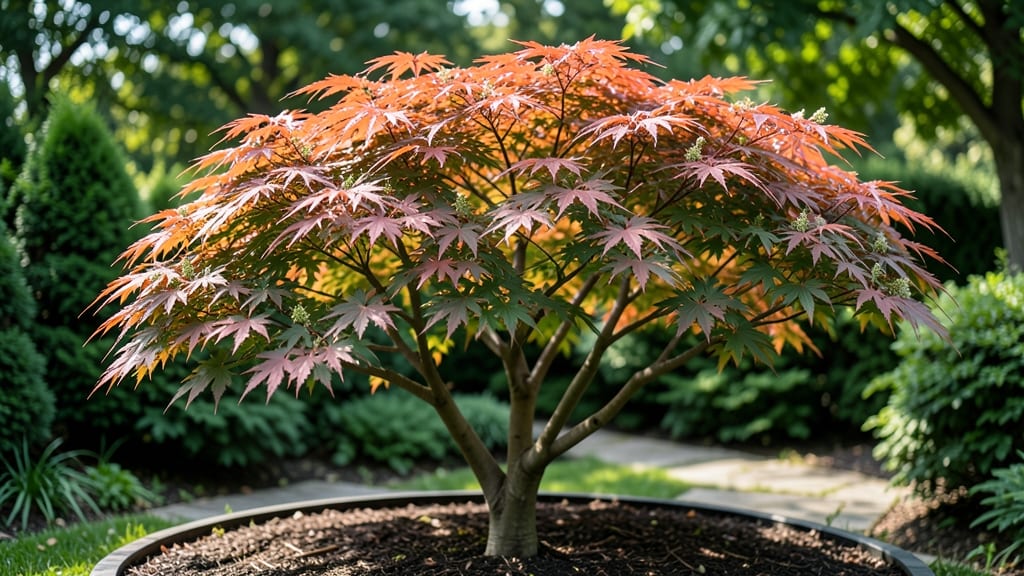
Wondering exactly how tall do coral bark maples grow before committing to one for your landscape? This stunning 🌳 tree with its fiery winter bark can reach between 15 to 25 feet at maturity—making it the perfect focal point without overwhelming smaller spaces.
What sets the Coral Bark Maple apart is its consistent growth pattern, typically gaining 3 to 5 feet per year in ideal conditions. Whether you're planning a backyard retreat or a city garden, understanding these height ranges helps you visualize its mature size and plan spacing for other plants.
But here's the thing: while most varieties hit that 15-25 foot mark, some dwarf cultivars stay compact, while others grow taller with proper care.
The key to getting the height you want lies in sunlight exposure, soil quality, and pruning—factors we'll break down to help you nurture your tree to its full potential.
Let's dive into the specifics so you can confidently choose the perfect Coral Bark Maple for your space—whether you're dreaming of a dramatic winter statement or a manageable ornamental tree that fits your landscape vision.


Coral Bark Maple mature height ranges by variety: what to expect
The Coral Bark Maple (Acer palmatum 'Sango-kaku') is famous for its stunning coral-red bark that glows in winter, but its mature height varies depending on the specific cultivar. Most standard varieties reach 15 to 25 feet tall at maturity, with a spread of 15 to 20 feet wide.
However, not all Coral Bark Maples are created equal—some dwarf varieties stay compact, while others grow taller. Understanding these differences helps you choose the right tree for your space.
If you’re planning a small garden or patio, you might opt for a dwarf Coral Bark Maple, which typically maxes out around 10 to 15 feet tall. These are perfect for urban yards, courtyard gardens, or even large containers.
On the other hand, standard varieties like the classic 'Sango-kaku' can tower over 20 feet tall, making them ideal for larger landscapes or as a focal point in open spaces.
Here’s the key: height isn’t the only factor. The spread of the tree also matters—some varieties grow wider than they do tall, while others maintain a more upright form.
For example, the 'Bloodgood' Coral Bark Maple is known for its vibrant red bark and can reach 20 to 25 feet tall with a spread of 15 to 20 feet.
Meanwhile, the 'Royal Red' variety tends to stay slightly shorter, around 15 to 20 feet tall, but its bark color is equally stunning.
Before you plant, consider your available space and the tree’s growth habits. A Coral Bark Maple planted too close to a house or driveway might outgrow its space, leading to pruning headaches or even structural issues.
Always leave room for the tree to spread its branches—at least 10 to 15 feet from nearby structures is a good rule of thumb.
Now, let’s break down the mature height ranges of the most popular Coral Bark Maple varieties in a comparison table to help you visualize their sizes and plan accordingly.
| Variety | Mature Height | Spread | Growth Rate | Best For |
|---|---|---|---|---|
| 'Sango-kaku' (Standard) | 15–25 ft | 15–20 ft | Moderate | Large gardens, focal points |
| 'Bloodgood' | 20–25 ft | 15–20 ft | Moderate | Bold winter interest |
| 'Royal Red' | 15–20 ft | 12–15 ft | Slow to moderate | Smaller yards, containers |
| 'Fireglow' | 10–15 ft | 10–12 ft | Slow | Dwarf varieties, patios |
| 'Orangeola' | 12–18 ft | 10–15 ft | Moderate | Orange-red bark, urban spaces |
As you can see, the 'Fireglow' and 'Orangeola' varieties are excellent choices if you’re working with limited space, while the 'Bloodgood' and standard 'Sango-kaku' are better suited for larger properties. Always check the specific nursery’s notes, as grafting or rootstock can sometimes influence the final size of the tree.
One common misconception is that all Coral Bark Maples are dwarf varieties. In reality, most are medium-sized trees, and only a few cultivars are truly dwarf.
If you’re unsure, ask your local nursery about the mature height guarantees—many reputable sellers provide this information to help you avoid surprises down the line.
When planning your landscape, think about how the tree’s height and spread will interact with other plants and structures. For example, a 20-foot-tall Coral Bark Maple planted near a 10-foot fence will create a stunning vertical accent, while the same tree planted in a small courtyard might feel overwhelming.
Use stakes or a string outline to visualize the tree’s mature size before planting.
Finally, remember that pruning and care can influence the final height of your Coral Bark Maple. Regular pruning to remove dead or crossing branches keeps the tree healthy and can encourage a more compact growth habit.
However, avoid over-pruning, as this can stress the tree and slow its growth. With the right care, your Coral
Factors that influence Coral Bark Maple height: sunlight, soil, and pruning
Understanding how your Coral Bark Maple grows depends on three key factors: sunlight exposure, soil quality, and pruning practices. These elements directly impact how tall your tree will become over time.
For example, a tree planted in full sun with well-draining soil can reach its maximum height of 25 feet, while one in partial shade with poor soil may stay shorter. Let’s break down each factor to help you optimize growth for your landscape.
First, sunlight plays a critical role in determining height. Coral Bark Maples thrive in full sun to partial shade, but they grow fastest—and reach their tallest—when exposed to at least 6 hours of direct sunlight daily.
In hotter climates, morning sun with afternoon shade helps prevent stress, which can stunt growth. If you’re planting in a shadier spot, expect a 10–20% reduction in mature height, meaning your tree might max out around 18–20 feet instead of 25.
Next, soil conditions affect root development, which in turn influences how tall your tree grows. Coral Bark Maples prefer well-draining, slightly acidic soil (pH 5.0–6.5). Compacted or waterlogged soil restricts root growth, leading to slower height increases.
Amending your soil with organic matter like compost can boost growth by 15–20%, helping your tree reach its full potential faster. Always avoid heavy clay soils, which can cause root rot and limit height.
The comparison table below highlights how sunlight and soil interact to influence height, along with spacing recommendations for different growing conditions:
| Condition | Mature Height Range | Spacing Needs | Growth Tip |
|---|---|---|---|
| Full Sun + Well-Draining Soil | 20–25 ft | 15–20 ft from structures | Prune lightly to encourage upward growth. |
| Partial Shade + Amended Soil | 15–20 ft | 12–15 ft from structures | Add compost annually to support root health. |
| Low Sun + Poor Soil | 10–15 ft | 8–10 ft from structures | Consider container growing for better control. |
Finally, pruning is often overlooked but can significantly shape your Coral Bark Maple’s height. Pruning in late winter or early spring (before new growth starts) helps maintain a desired shape and encourages upward growth. Avoid heavy pruning, as it can stress the tree and slow height progression.
Instead, focus on removing dead or crossing branches and lightly thinning the canopy to improve airflow. If you’re aiming for a shorter tree, prune the upper branches selectively to redirect energy downward.
For container-grown Coral Bark Maples, root pruning every 2–3 years can also limit height. This involves trimming the roots to keep them contained, which naturally restricts vertical growth. Just remember: container trees grow slower—expect a 20–30% reduction in height compared to field-planted trees.
Always use a well-draining potting mix and upgrade pots as the tree matures to avoid root-bound stress.
By paying attention to these three factors—sunlight, soil, and pruning—you’ll give your Coral Bark Maple the best chance to grow to its full potential while fitting seamlessly into your landscape.
Start with the right conditions, and you’ll enjoy its stunning coral-red bark and vibrant foliage for decades to come! 🌳