
How To
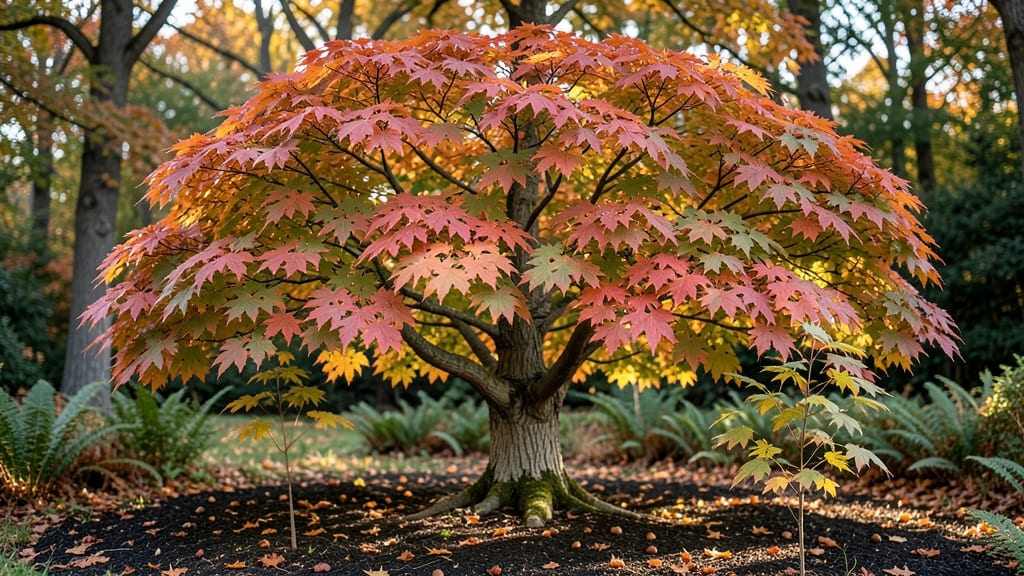
If you're wondering how tall do sugar maples grow, the answer might surprise you—these iconic trees can reach heights of 70 to 80 feet or more, making them a stunning but space-hungry addition to any landscape.
Picture this: a towering 🌳 sugar maple standing proudly in your yard, its vibrant fall foliage turning your neighborhood into a postcard-worthy scene. But before you plant one, it's crucial to understand how much space these trees need to thrive—and how their growth habits vary by variety and location.
From the compact dwarf varieties (which still top out around 30 feet) to the majestic standard sugar maples that can dwarf even the tallest buildings, knowing the right spacing and care is key to avoiding future headaches.
Whether you're in USDA Zone 6a or another region, we'll break down everything you need to plan for a sugar maple that grows beautifully without crowding your property.
Ready to learn how to give your sugar maple the perfect growing conditions? Let's dive into the details so you can enjoy this tree for decades to come—without it outgrowing its welcome.


Sugar maple mature height by variety: from dwarf to giant trees
If you're considering planting a sugar maple (Acer saccharum), understanding its mature height is crucial—especially if you're working with limited space. These trees are famous for their vibrant fall foliage and syrup production, but their size can vary dramatically based on variety, growing conditions, and regional climate.
On average, a standard sugar maple reaches 60-80 feet tall, though some towering specimens exceed 100 feet in ideal conditions.
The height of a sugar maple isn’t just about vertical growth—canopy spread matters just as much. A mature tree’s branches can stretch 40-60 feet wide, creating a massive shade canopy. This makes spacing and placement critical before you plant.
For example, a 30-foot-tall sugar maple (like the 'Armstrong' variety) might suit smaller yards, while a 100-foot giant needs acres of open space to thrive.
Here’s the key: soil quality, sunlight exposure, and pruning practices directly impact how tall your sugar maple grows. In nutrient-rich, well-drained soil with full sun, these trees grow faster and taller. Conversely, poor soil or shade can stunt their growth significantly.
Even in optimal conditions, it takes 30-50 years for a sugar maple to reach its full height, so patience is a must.
For gardeners in urban areas, dwarf or semi-dwarf varieties are often the best choice—but unfortunately, sugar maples don’t have widely available dwarf cultivars like some other trees. Instead, focus on proper spacing and pruning to manage growth.
If you’re planting near power lines or sidewalks, consult local regulations, as mature sugar maples can pose risks if unchecked.
| Variety | Mature Height | Canopy Spread | Growth Rate | Best For |
|---|---|---|---|---|
| Standard Sugar Maple | 60-80 ft | 40-60 ft | Moderate (1-2 ft/year) | Large properties, forests |
| 'Armstrong' Sugar Maple | 30-40 ft | 25-35 ft | Slow (6-12 in/year) | Urban yards, parks |
| 'Autumn Flame' Sugar Maple | 40-50 ft | 30-40 ft | Moderate (1 ft/year) | Medium-sized yards |
| 'Green Mountain' Sugar Maple | 50-60 ft | 35-45 ft | Moderate (1-1.5 ft/year) | Suburban landscapes |
| Wild/Forest-Grown | 80-100+ ft | 50-70 ft | Fast (2+ ft/year) | Natural forests, wild areas |
When choosing a sugar maple, consider your local climate zone. Trees in USDA Zones 3-7 (where sugar maples thrive) may grow taller in cooler northern regions due to longer growing seasons. In warmer southern zones, growth can be slower, and trees may stay smaller unless given extra care.
For example, a sugar maple in Maine might reach 90 feet, while one in Georgia may max out at 50 feet without ideal conditions.
One common misconception is that all sugar maples grow to the same height. In reality, cultivars like 'Armstrong' are bred for compact growth, making them ideal for residential areas. These varieties sacrifice some height for disease resistance and vibrant fall colors, proving that smaller doesn’t mean less impressive.
If you love the look of sugar maples but lack space, these cultivars are a game-changer.
To ensure your sugar maple reaches its potential height, prioritize well-draining soil and full sunlight. Amend clay or sandy soil with compost or organic matter to improve nutrient retention. Avoid planting in low-lying areas where water pools, as sugar maples are sensitive to root rot.
Mulching around the base with wood chips or shredded bark helps retain moisture and regulates soil temperature, both of which support healthy growth.
Pruning plays a surprising role in height control. While you can’t drastically reduce a sugar maple’s mature height, regular pruning in late winter or early spring removes dead or crossing branches, allowing the tree to allocate energy to upward growth.
Avoid heavy pruning in summer, as it stresses the tree and can stunt growth. If you’re planting near structures, hire an ISA-certified arborist
How much space do sugar maples need? Spacing guidelines by age and variety
When planning your sugar maple landscape, spacing isn't just about height—it's about creating room for its canopy spread and future growth. A mature sugar maple can stretch 30-50 feet wide, so planting too close to structures or other trees risks root competition and disease.
For urban yards, this means careful planning to avoid power lines or sidewalks.
Young sugar maples (1-3 years old) need 10-15 feet of clearance from buildings and 15-20 feet from other trees. This gives roots space to establish without crowding. Skipping this step often leads to stunted growth or root-bound issues later.
| Stage | Spacing from Structures | Spacing from Other Trees | Canopy Spread |
|---|---|---|---|
| Young (1-3 yrs) | 10-15 ft | 15-20 ft | 5-10 ft |
| Mature (10+ yrs) | 30-50 ft | 50-70 ft | 30-50 ft |
| Urban Planting | 20-30 ft | 30-40 ft | 20-30 ft |
For rural properties, you can afford more space—50-70 feet between trees ensures healthy growth without competition. In woodland settings, sugar maples naturally thrive with 70+ feet between specimens, mimicking their native forest spacing.
Pruning young trees to encourage upward growth can help manage height, but never sacrifice canopy spread for aesthetics. A well-spaced sugar maple will develop a balanced crown and stronger branches, reducing the risk of storm damage.
If your yard is limited, consider columnar varieties like 'Columnare,' which grow 50-60 feet tall but only 10-15 feet wide. This narrow habit makes them ideal for tight spaces while still providing shade and seasonal color.
Always check local municipal codes before planting near sidewalks or roads—some areas require setback distances of 25+ feet for large trees. Proper spacing now saves costly removals later.