
Plants
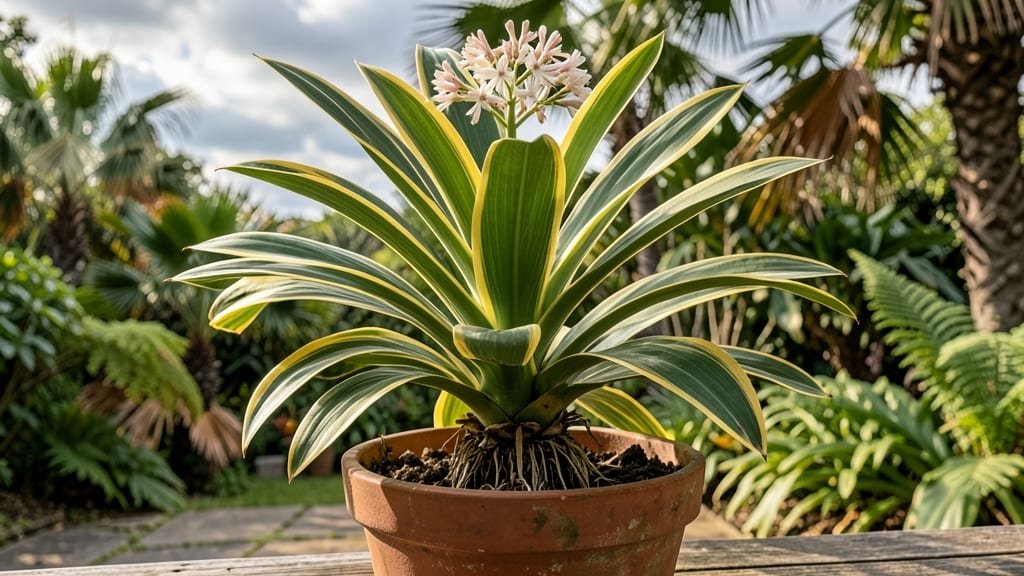
If you're wondering how tall do Cordyline plants grow, the answer might surprise you—these tropical beauties can range from compact 2-foot wonders to towering 15-foot giants, depending on the variety and care you provide.
Whether you're dreaming of a bold landscape statement or a petite patio centerpiece, Cordyline 🌿 offers endless possibilities to match your space and style.
What makes these plants so versatile is their incredible diversity. Some varieties, like the dwarf types, stay perfectly manageable for containers or small gardens, while others—such as the majestic Cordyline australis—can reach heights that rival small trees.
The key to unlocking their full potential lies in understanding your climate, soil, and the specific needs of your chosen type.
In this guide, I’ll break down the exact height ranges for popular Cordyline species, share tips to control their growth, and help you decide whether they’re the perfect fit for your outdoor space, indoor decor, or even large-scale landscaping. Ready to transform your garden with these striking, low-maintenance plants?
From pruning secrets to container hacks, you’ll discover everything you need to know to grow Cordyline at just the right size—whether you want a showstopping focal point or a space-saving accent. Let’s get started!


Cordyline plant height by variety: exact growth expectations
Cordyline plants are famous for their striking foliage and dramatic heights, but their size varies wildly depending on the variety. Some stay small enough for patio containers, while others grow into towering landscape staples.
Knowing the mature height of each type helps you plan your garden layout—whether you want a compact centerpiece or a statement plant for your backyard.
For example, the dwarf varieties like Cordyline 'Baby Blue' max out at just 2-3 feet tall, making them perfect for indoor decor or small balconies. On the other end, giant species like Cordyline australis can reach 15 feet or taller, rivaling small trees.
Below, I’ve broken down the exact height ranges for 12+ popular Cordyline types so you can choose the perfect fit for your space.
🌱 Pro Tip: Always check the specific cultivar name—even within the same species, heights can differ by 3-5 feet. For instance, Cordyline fruticosa 'Red Sister' stays around 6-8 feet, while Cordyline fruticosa 'Purpurea' can hit 10-12 feet.
| Variety | Mature Height (ft) | Growth Rate (in/year) | Best For |
|---|---|---|---|
| Cordyline 'Baby Blue' | 2-3 ft | 6-8 in | Containers, indoor |
| Cordyline australis 'Alba' | 10-15 ft | 12-18 in | Large landscapes, hedges |
| Cordyline fruticosa 'Red Sister' | 6-8 ft | 10-12 in | Patios, tropical gardens |
| Cordyline 'Firebrand' | 4-6 ft | 8-10 in | Borders, mixed beds |
| Cordyline 'Torbay Dazzler' | 3-5 ft | 6-8 in | Containers, small gardens |
| Cordyline 'Tiara Pink' | 2-4 ft | 5-7 in | Indoor, conservatories |
| Cordyline 'Sunset Glow' | 8-10 ft | 12-15 in | Backyard focal points |
| Cordyline 'Blue Dazzler' | 5-7 ft | 10-12 in | Patios, tropical themes |
Height ranges are for plants grown in optimal conditions (full sun to partial shade, well-draining soil).
If you’re planning a container garden, focus on the dwarf varieties like Cordyline 'Baby Blue' or 'Tiara Pink'—they thrive in 12-18 inch pots and rarely need repotting.
For outdoor landscapes, the taller varieties like Cordyline australis or 'Sunset Glow' create stunning vertical interest, especially when planted in groups of 3-5.
One common misconception is that all Cordylines grow equally fast. In reality, their growth rates vary dramatically. For example, Cordyline 'Firebrand' adds only 6-8 inches per year, while Cordyline australis can shoot up 18 inches annually in ideal conditions.
This means a 3-foot-tall plant could reach maturity in just 2-3 years with proper care.
To encourage healthier growth and manage height, pay attention to light exposure and soil drainage. Cordylines love bright, indirect light but can scorch in direct afternoon sun. In containers, use a fast-draining potting mix with perlite or orchid bark to prevent root rot, which stunts growth.
For those with limited vertical space, consider pruning or pinching back new growth to promote bushier habits. I’ll cover these height-control tips in detail in the next section, including how to prune without harming the plant’s health.
🌿 Whether you’re aiming for a miniature tropical garden or a bold landscape statement, choosing the right Cordyline variety ensures your space stays both stunning and manageable.
How to control Cordyline height: pruning, container tips & growth hacks
If your Cordyline is reaching for the sky faster than you'd like, don't worry—there are smart ways to manage its height without sacrificing its stunning tropical look. The key lies in understanding pruning techniques, container gardening, and simple growth adjustments that encourage bushier habits instead of towering stems.
For indoor Cordylines, height control is especially critical since space is limited. I've found that regular tip pruning (cutting back the top 2-3 inches) every 6-8 weeks triggers bushier growth.
This works because Cordylines naturally grow from a central stem, and pruning encourages side shoots to fill in the gaps.
🌿
⚠️ Common Mistake: Over-Pruning
Cutting back more than 1/3 of the plant at once can shock your Cordyline, leading to stunted growth or even death. Always remove no more than 25% of the plant's height in a single session, and use sterilized pruners to prevent disease.
For outdoor plants, container size plays a massive role in height control. Smaller pots (12-18 inches wide) naturally restrict root growth, which in turn limits how tall your Cordyline becomes.
I recommend upgrading pots gradually—start with a 12-inch container and move to 18 inches only after 2-3 years of growth.
Light exposure also affects height. Cordylines grown in bright indirect light (like an east-facing window) tend to stay more compact than those basking in full sun. If your plant is stretching toward a window, rotate it weekly to encourage even growth, or move it to a slightly shadier spot.
Fertilizer choices make a surprising difference too. High-nitrogen fertilizers (like 30-10-10) promote leafy growth but can lead to leggy stems. Instead, opt for a balanced 10-10-10 formula during spring and summer. In fall, switch to a low-nitrogen 5-10-10 to encourage root development over stem elongation.
Finally, don't underestimate the power of regular watering habits. While Cordylines tolerate drought, inconsistent watering can cause uneven growth spurts.
Aim for deep watering every 7-10 days in containers, and always use pots with drainage holes to prevent root rot—a common issue that weakens plants and makes them more prone to height problems.