
Plants
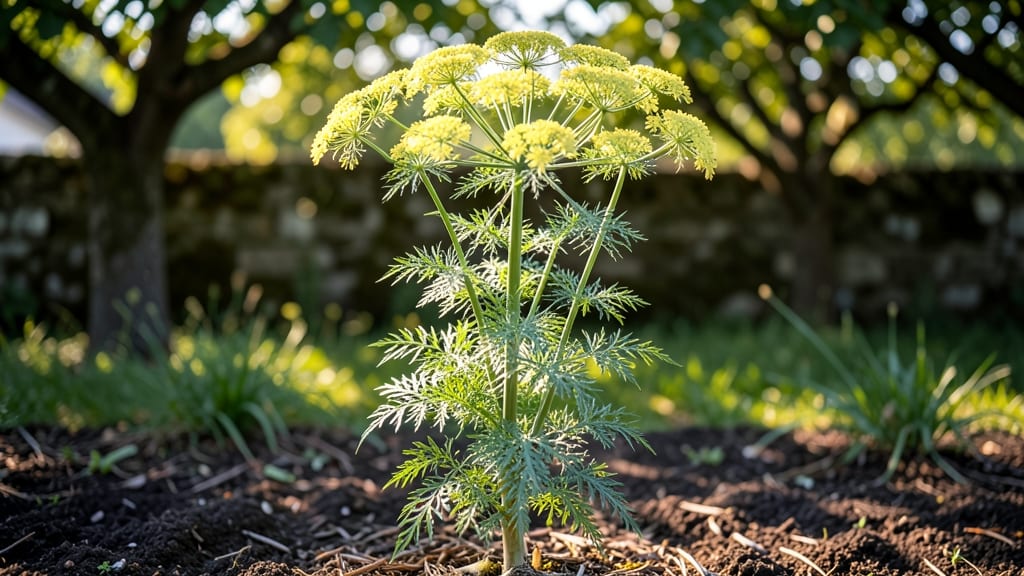
If you’ve ever wondered how tall do dill plants grow, the answer might surprise you—this feathery herb can be both a delicate garden accent and a towering presence, depending on the variety you choose. 🌿 Whether you’re planning a kitchen garden or a container setup, understanding dill’s growth habits is key to maximizing your harvest without sacrificing space.
Most dill varieties, like the classic Bouquet or Mammoth, can reach heights of 3 to 5 feet, making them perfect for borders or tall herb gardens.
But if you’re working with limited space, compact options like Dukat or Mouse Tail stay between 1 and 2 feet, ideal for windowsills or small pots.
The secret to managing dill’s height lies in timing and care. Pruning regularly encourages bushier growth and extends your harvest window, while proper spacing prevents overcrowding. Whether you’re growing dill for its leaves, seeds, or both, knowing these details will help you create the perfect setup for your garden.
Ready to transform your herb garden? I’ll walk you through the best varieties for your space, along with tips to keep your dill thriving—no matter how tall (or short) you want it to be. Let’s get growing!


Dill plant height by variety: tall vs compact options for your garden
Dill (Anethum graveolens) is a feathery, aromatic herb that can dramatically change your garden’s layout depending on the variety you choose. Some varieties stretch toward the sky like sunflowers, while others stay neatly contained in containers or small beds.
Understanding these height differences helps you plan spacing, support, and even companion planting for a thriving garden.
Most standard dill varieties reach 3 to 5 feet tall, but their growth habits vary—some grow upright like tall grasses, while others sprawl outward.
The key to managing height lies in selecting the right variety for your space and purpose, whether you’re growing dill for fresh leaves, dried seeds, or both.
Here’s how popular dill varieties compare in height, along with their ideal uses and spacing needs to help you make the best choice for your garden.
| Variety | Height Range | Growth Habit | Best For | Spacing Needs |
|---|---|---|---|---|
| Bouquet | 4–5 ft | Upright, bushy | Fresh leaves, seed heads | 18–24 inches apart |
| Mammoth | 5–6 ft | Very tall, slender | Seed production, tall borders | 24–36 inches apart |
| Fernleaf | 3–4 ft | Compact, bushy | Containers, small gardens | 12–18 inches apart |
| Dukat | 2–3 ft | Semi-dwarf, bushy | Leaf production, early harvests | 12–16 inches apart |
| Mouse Tail | 1–2 ft | Dwarf, spreading | Containers, windowsills | 8–12 inches apart |
If you’re growing dill in containers, opt for dwarf varieties like Mouse Tail or Fernleaf, which thrive in 5-gallon pots with minimal root space. These compact options are perfect for balconies or kitchen windowsills, where height control is essential.
For larger gardens or borders, taller varieties like Mammoth or Bouquet add vertical interest and attract pollinators like bees and butterflies.
Pro tip: If you love the flavor of dill but hate its self-seeding habit, choose Dukat or Fernleaf. These varieties produce fewer seeds, making them easier to manage in small spaces.
For seed harvests, Mammoth dill is the top pick—its towering stems hold abundant seed heads perfect for pickling or seasoning.
Remember, dill’s height isn’t just about aesthetics—it also affects harvest timing. Taller varieties may bolt (flower) faster in hot climates, so consider partial shade in regions with intense summer sun to prolong leaf production.
For year-round harvests, succession plant dwarf varieties every 2–3 weeks to ensure a steady supply of fresh leaves.
Whether you’re designing a herb spiral, a pollinator-friendly border, or a kitchen garden, choosing the right dill variety based on height will ensure your plants thrive without crowding out neighbors.
Next, we’ll explore how to manage dill’s growth habits to maximize your harvest—including when and how to prune for bushier, more productive plants.
Dill plant height by variety: tall vs compact options for your garden
Dill plants (Anethum graveolens) are famous for their feathery foliage and distinctive flavor, but their height can vary dramatically depending on the variety. Understanding these differences helps you plan your garden layout—whether you want a towering border plant or a compact container herb.
Most dill varieties reach 3 to 5 feet tall, but some stay as short as 1 to 2 feet, making them ideal for small spaces.
Tall varieties like Mammoth dill can soar to 5 feet or more, while bushier types such as Bouquet dill or Fernleaf dill typically max out around 2 to 3 feet.
Choosing the right variety isn’t just about space—it also affects your harvest. Taller plants produce more seeds, while shorter, bushier varieties yield more leaves for culinary use.
If you’re growing dill in containers or small gardens, prioritize compact varieties like Dukat or Bouquet dill. These stay under 2.5 feet and thrive in 5-gallon pots with proper drainage.
For larger gardens, Mammoth or Fernleaf dill add vertical interest and attract pollinators, but they’ll need 12–18 inches of spacing to avoid overcrowding.
One pro tip: Prune regularly to encourage bushier growth and prevent legginess. Snip the top 2–3 inches of stems to redirect energy toward leaf production instead of height. This works especially well for taller varieties like Mammoth dill, keeping them manageable for harvesting.
For urban gardeners or balcony growers, consider dwarf varieties that stay under 2 feet tall. These are perfect for hanging baskets or windowsill gardens, where space is limited.
Just ensure they get at least 6 hours of sunlight daily—dill is a sun lover and won’t thrive in shade.
Remember, dill’s height isn’t just about aesthetics—it impacts your harvest yield and flavor. Taller plants produce more seeds (great for pickling), while shorter, bushier plants give you more fresh leaves for cooking. Choose wisely based on your goals!