
How To
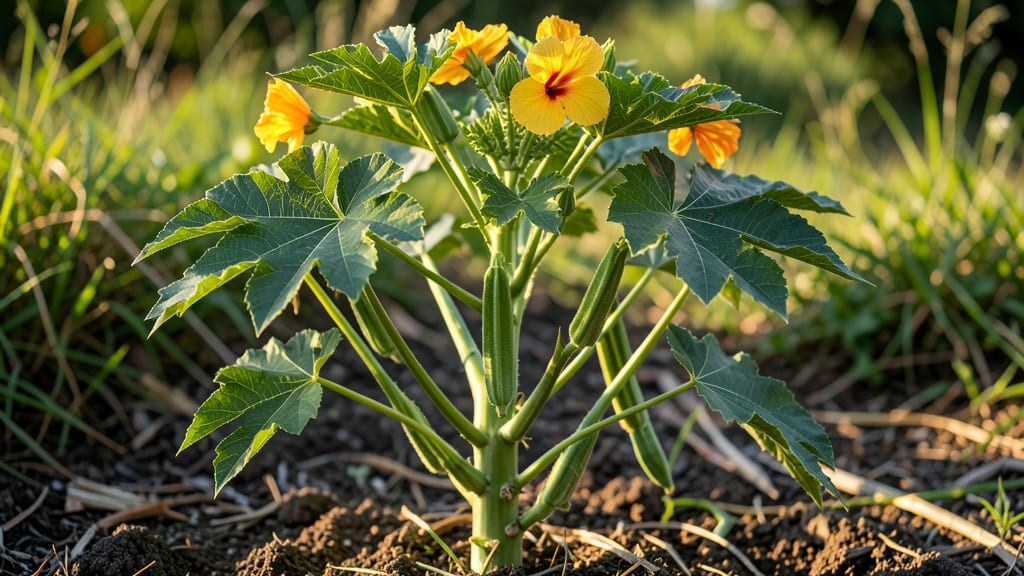
Wondering how tall do okra grow before planning your garden? This fast-growing 🌱 plant can reach surprising heights—some varieties stretch toward the sky like vertical jungles, while others stay compact.
Whether you're working with limited space or dreaming of a lush summer harvest, understanding okra's mature height is the key to smart spacing and layout.
Most okra plants mature between 4 and 6 feet, but some towering varieties can hit 8 to 10 feet if left unchecked. Dwarf types, on the other hand, stay around 3 to 4 feet, making them perfect for containers or small gardens.
The difference in height isn't just about aesthetics—it directly impacts how you'll harvest, trellis, and even fertilize your plants.
Sunlight, soil quality, and pruning all play a role in how tall your okra grows. Too much shade or poor nutrients can stunt growth, while overcrowding might force plants to compete for space, leading to uneven heights.
The good news? With the right techniques, you can manage okra's growth to fit your garden—whether you're aiming for a neat row or a dramatic vertical display.
Ready to optimize your space? Discover how to choose the right variety, control growth naturally, and turn your okra plants into a productive (and stylish) addition to your summer garden. Let's get started!


Okra plant height by variety: a comparative guide for gardeners
Okra is one of those fast-growing vegetables that can quickly outpace your garden plans if you're not prepared. While most varieties reach 6 to 10 feet tall, some dwarf types stay under 4 feet, making them perfect for containers or small spaces.
Understanding these height variations helps you choose the right variety for your layout and manage growth effectively.
Tall okra varieties like Clemson Spineless can grow 8 to 10 feet in ideal conditions, while bush-type varieties like Emerald or Burgundy typically max out at 4 to 6 feet.
Even within the same variety, height can vary based on sunlight exposure, soil fertility, and pruning practices, so always check seed packet guidelines for exact expectations.
If you're working with limited space, dwarf okra varieties are your best bet. These stay under 3 to 4 feet and thrive in containers or raised beds, making them ideal for patios or balconies.
However, even dwarf varieties may stretch taller if given extra nutrients or support, so monitor their growth closely.
For gardeners who love vertical gardening, okra’s tall, sturdy stems make it a great candidate for trellising or staking. This not only saves space but also improves air circulation, reducing the risk of fungal diseases that can plague dense okra plants.
Just be sure to use durable supports—okra can get heavy once laden with pods!
Here’s a quick comparison of popular okra varieties and their typical mature heights to help you plan your garden layout:
| Variety | Growth Habit | Mature Height | Best For |
|---|---|---|---|
| Clemson Spineless | Vining | 8–10 ft | Large gardens, trellises |
| Burgundy | Bush | 4–6 ft | Containers, small spaces |
| Emerald | Bush | 3–5 ft | Dwarf varieties, urban gardens |
| Jinny | Vining | 6–8 ft | Trellises, vertical gardens |
| Bluebird | Bush | 3–4 ft | Containers, small plots |
When selecting okra varieties, consider your garden’s vertical space and your harvesting preferences. Taller varieties like Clemson Spineless produce more pods but require more room, while dwarf varieties are easier to reach and maintain.
If you’re new to growing okra, start with a bush-type variety like Emerald—it’s forgiving and perfect for beginners.
Proper spacing is critical to prevent overcrowding, which can lead to taller, leggier plants as they compete for sunlight. For tall varieties, space plants 2 to 3 feet apart, while dwarf types can be planted 1 to 2 feet apart.
In containers, ensure pots are at least 12 inches deep and wide to accommodate root growth without restricting height.
Okra’s height isn’t just about aesthetics—it also affects pod production. Plants that grow too tall may produce fewer harvestable pods because energy is diverted to stem growth rather than flowering.
By choosing the right variety and providing adequate support, you can optimize both height and yield for a bountiful harvest.
For gardeners in small spaces or urban areas, consider growing okra in vertical planters or hanging baskets. Some dwarf varieties even thrive in window boxes if given enough sunlight.
Just be prepared to harvest pods more frequently—okra grows quickly, and pods can go from tender to woody in just a few days!
🌱
Okra plant height by variety: a comparative guide for gardeners
Okra’s mature height can vary dramatically depending on the variety you choose, with some towering over 6 feet while others stay compact at just 3 feet. This variation makes selecting the right type crucial for your garden layout, especially if you’re working with limited space or trellising systems.
For example, Clemson Spineless—a popular favorite—typically reaches 6–10 feet, while Emerald varieties cap out around 4–6 feet. Even within standard types, growth habits differ: some grow as bushy plants, while others send up tall, vine-like stems that need support.
Understanding these differences helps you plan for spacing requirements, trellis needs, and even container gardening. A 3-foot dwarf variety like 'Burgundy' fits perfectly in raised beds or pots, while a 10-foot giant like 'Perennial Okra' might dominate your backyard if left unchecked.
Let’s break down the most common varieties and their height ranges to help you make the best choice for your space.
When selecting a variety, consider your garden’s sunlight exposure and available space. For instance, Clemson Spineless thrives in full sun but needs 6+ feet of vertical space, making it ideal for trellises or fences.
On the other hand, Burgundy okra stays under 4 feet, perfect for urban gardeners or those with limited square footage. Even within the same variety, pruning techniques can influence height—regularly pinching back stems can encourage bushier growth and prevent overly tall plants.
If you’re growing okra in containers, opt for dwarf varieties like Arkansas Little Leaf or Emerald, as they won’t outgrow their pots. A 5-gallon container is typically sufficient for these compact types, while larger varieties may need 15+ gallons and sturdy support.
Always ensure your container has drainage holes to prevent root rot, a common issue with okra’s high water needs.
For those with vertical gardening goals, trellising not only saves space but also improves air circulation, reducing the risk of fungal diseases like powdery mildew. Use galvanized wire trellises or bamboo stakes to support taller varieties.
Even bush-type okra benefits from light staking to keep pods off the ground and easier to harvest. Just be sure to tie stems loosely every few weeks as they grow to avoid damaging the plant.
Pro tip: If you’re unsure which variety to choose, start with Clemson Spineless for its versatility—it’s a high-yielding option that works well in both in-ground beds and trellised setups. For smaller spaces, Burgundy or Emerald are excellent low-maintenance picks that still deliver delicious pods.
Always check your local nursery for region-specific recommendations, as some varieties perform better in cooler climates or shorter growing seasons.
Remember, okra’s height isn’t just about aesthetics—it directly impacts harvesting ease and pod quality. Taller plants may produce more pods, but they can also become harder to reach and more prone to pests if overcrowded.
Plan your layout with these factors in mind to enjoy a bountiful, manageable okra harvest all season long. 🌱