
How To
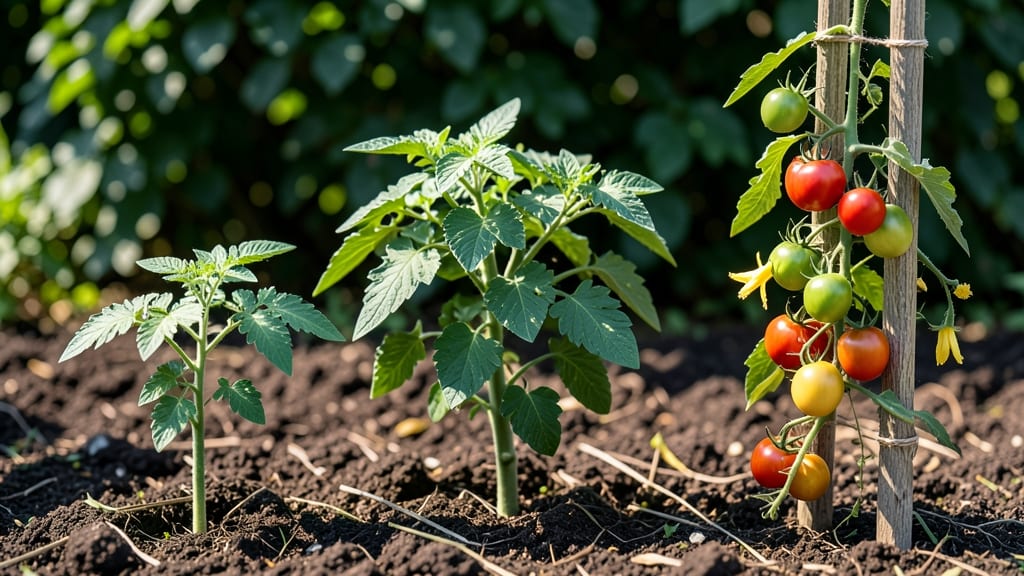
If you’ve ever wondered how tall tomato plants grow and whether your garden space can handle them, the answer isn’t one-size-fits-all. Some varieties stay neatly contained at just 2 feet, while others can stretch toward the sky like 6-foot vines—if given the right care and support.
The key lies in understanding the two main growth types: determinate (bushy) and indeterminate (vining), each with its own space requirements and growth habits.
For beginners, this distinction is game-changer—it determines everything from trellis needs to harvest accessibility. Determinate tomatoes, like the classic Roma, typically max out around 3-4 feet, making them perfect for small gardens or containers.
On the other hand, indeterminate varieties, such as Beefsteak or Sungold, can keep growing all season long, often reaching 8 feet or more without proper pruning or support.
But here’s the good news: with the right techniques, you can manage even the tallest varieties to fit your space. Whether you’re working with a balcony, a raised bed, or a sprawling backyard, knowing how to prune, trellis, and support your plants will help you maximize yield without sacrificing convenience.
Let’s break down what you need to know to choose the perfect tomato varieties for your garden—and keep them thriving at the right height.
Ready to transform your garden into a productive, space-efficient tomato haven? You’ll discover how to select the best varieties for your layout, avoid common pitfalls, and even troubleshoot growth issues before they start. Let’s get growing!


Tomato plant height by variety: determinate vs. indeterminate growth explained
When planning your tomato garden, knowing how tall your plants will grow is essential for choosing the right varieties and support structures. Tomato plants generally fall into two main categories: determinate (bush types) and indeterminate (vining types), each with distinct height ranges and growth habits.
Determinate varieties typically reach 3-5 feet at maturity, making them ideal for small gardens or containers, while indeterminate varieties can grow 6-10 feet or taller without proper support.
Your garden layout depends heavily on these growth patterns. Determinate tomatoes produce fruit all at once, perfect for canning or preserving, while indeterminate varieties produce continuously throughout the season.
Understanding these differences helps you select the right plants for your space and goals, whether you're growing for fresh eating, sauces, or selling at a market.
| Variety Type | Height Range | Growth Habit | Best For |
|---|---|---|---|
| Determinate | 3-5 ft | Bushy, compact | Containers, small gardens |
| Indeterminate | 6-10+ ft | Vining, continuous growth | Trellises, large gardens |
| Roma | 3-4 ft | Determinate | Sauces, canning |
| Beefsteak | 5-7 ft | Indeterminate | Fresh eating, slicing |
| Sungold | 2-4 ft | Determinate (cherry) | Snacking, containers |
| Brandywine | 6-8 ft | Indeterminate (heirloom) | Gourmet dishes, trellises |
Popular determinate varieties like Roma and Celebrity stay compact, making them perfect for balconies or small raised beds. These plants stop growing once they start flowering, producing a single harvest of fruit.
In contrast, indeterminate varieties like Beefsteak or Cherokee Purple keep growing and producing fruit until frost, often requiring sturdy trellises or cages to support their 6-10 foot height.
If you're growing in containers, opt for compact varieties like Tiny Tim or Patio Princess, which max out at 18-24 inches. These are ideal for patios or small urban gardens where space is limited.
For larger gardens, indeterminate varieties offer continuous harvests but need more space and support to thrive.
Your garden layout should account for both the height and spread of your tomato plants. Indeterminate varieties often need 3-4 feet of space between plants to allow for proper airflow and support structures.
Determinate plants can be spaced closer together, around 18-24 inches, since they don’t grow as tall or spread as widely.
Another key factor is your climate zone. In warmer regions (zones 8-10), indeterminate tomatoes can grow even taller due to longer growing seasons. In cooler zones (zones 4-6), you may need to choose shorter varieties or use row covers to extend the season and support growth.
When selecting varieties, consider your harvest goals. Determinate tomatoes are great for canning or preserving because they produce a large crop all at once. Indeterminate varieties, on the other hand, provide a steady supply of fruit throughout the season, perfect for fresh eating or selling at markets.
For first-time gardeners, determinate varieties are often the easiest to manage due to their compact size and single harvest cycle. However, indeterminate varieties can be incredibly rewarding for those willing to invest in trellises and regular pruning.
Either way, understanding these growth patterns will help you create a productive and organized tomato garden.
🌱
How to manage tall tomato plants: pruning, trellising, and support tips
Tall tomato plants can reach 6–10 feet if left unchecked, but proper management transforms them from space hogs into high-yielding vertical gardens. Without support, indeterminate varieties sprawl, risking disease and poor fruit production.
My secret? A combination of pruning, trellising, and strategic training—techniques I’ve refined over years of growing everything from Sungold cherries to Beefsteak monsters.
Start with the right support structure—cages, stakes, or trellises—based on your plant’s expected height. For indeterminate varieties (like 'Cherokee Purple'), I swear by 6-foot wooden stakes paired with soft plant ties.
Determinate types (e.g., 'Roma') thrive in 3-foot cages, saving space while keeping fruits accessible. The key? Install supports at planting time to avoid disturbing roots later.
Pruning isn’t just about height control—it’s about air circulation and fruit quality.
For indeterminate tomatoes, I remove suckers (the shoots between main stems and branches) weekly, keeping only the first few suckers if I want bushier plants. Prune aggressively in early spring but taper off as fruit sets to avoid shocking the plant.
For determinate types, minimal pruning is needed—just remove yellow leaves to redirect energy to fruiting.
Trellising tall varieties isn’t just practical; it improves fruit exposure to sunlight, reducing disease risk and boosting sweetness. I use vertical netting for heavy producers like 'Brandywine'—tying stems gently to the netting every 12 inches as they grow.
This method also makes harvesting easier, especially for heirloom varieties with large, pendulous fruit. Just avoid over-tightening ties, which can girdle stems over time.
Don’t overlook the soil and watering connection to plant height. Tall tomatoes need consistent moisture—deep watering every 2–3 days prevents stunted growth from drought stress. I top-dress with compost tea monthly to feed the extensive root systems of vining types.
And here’s a trick: Side-dress with compost when plants hit 3 feet to support their rapid vertical growth without overloading the soil with nitrogen.
Finally, monitor for height-related pests, like aphids clustering on top leaves. A strong blast of water from the hose (early morning) keeps them at bay. With these strategies, even my 10-foot 'Big Beef' plants stay manageable—producing 50+ pounds of tomatoes in a 3-foot-wide growing space.
Your garden’s vertical potential is limited only by your creativity.