
Trees
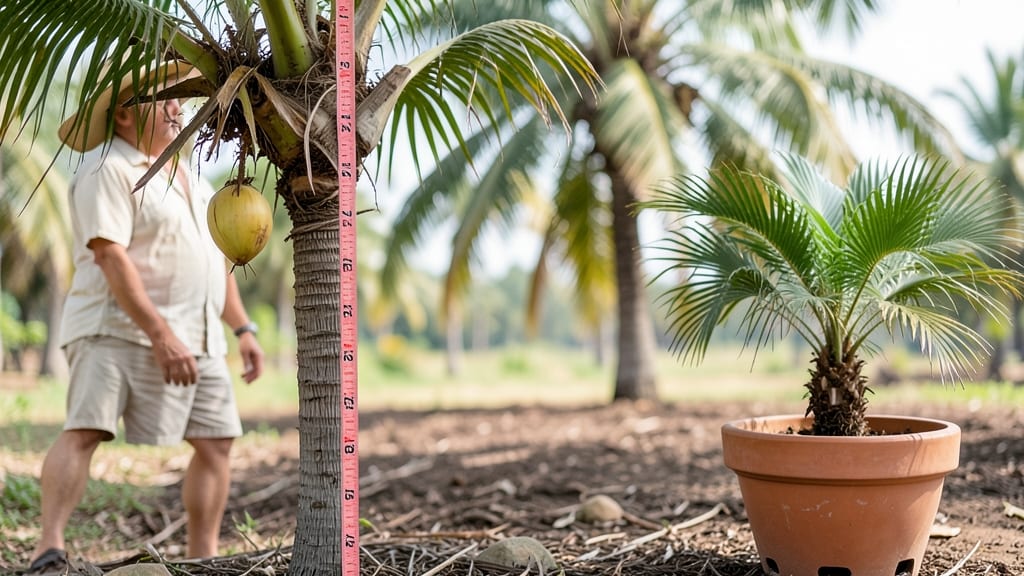
Exact mature heights of 5 popular dwarf coconut tree varieties
If you're picturing a miniature tropical paradise in your backyard, dwarf coconut trees are the answer—but their mature heights vary dramatically by variety. Some stay under 10 feet tall, while others can reach 15 feet with proper care.
The key is choosing the right type for your space and climate. Let’s break down the most popular dwarf varieties and their exact mature heights.
Dwarf coconut trees are a fraction of the size of their standard 60-100 ft cousins, but even among dwarfs, heights range from 6 to 15 feet. This makes them ideal for small gardens, containers, or urban patios.
However, their growth rate and final height depend on genetics, sunlight, and care. For example, the Malayan Yellow Dwarf is the shortest, while the Panama Tall Dwarf can stretch taller if unpruned.
Why height matters: Taller varieties may need more spreading room for roots and fronds, while shorter ones fit better in containers or tight spaces. Below, I’ve compared the 5 most common dwarf varieties so you can pick the perfect fit for your garden.
Dwarf Coconut Tree Varieties: Mature Heights & Growth Traits
| Variety | Mature Height (ft) | Growth Rate (ft/year) | Best For | Spacing Needs |
|---|---|---|---|---|
| Malayan Yellow Dwarf | 6–10 ft | 1–2 ft/year | Containers, small yards | 3–5 ft from structures |
| Macapuno | 8–12 ft | 1.5–2.5 ft/year | Edible nuts, landscapes | 5–7 ft from structures |
| Maypan | 10–15 ft | 2–3 ft/year | Large containers, privacy screens | 7–10 ft from structures |
| Panama Tall Dwarf | 12–18 ft | 2.5–4 ft/year | Spacious yards, tropical themes | 10–12 ft from structures |
| Seybapane | 8–12 ft | 1–2 ft/year | Cold-hardy dwarf, containers | 5–7 ft from structures |
Note: Heights can vary with pruning and container size. Always check your local nursery for exact specs.
The Malayan Yellow Dwarf is the shortest option, making it perfect for balconies or small pots. It grows just 6–10 feet tall and produces edible coconuts in 3–5 years.
If you want a slightly taller tree with faster growth, the Macapuno reaches 8–12 feet and is known for its sweet, creamy nuts.
For those with more space, the Maypan and Panama Tall Dwarf can grow 10–18 feet tall, but they require regular pruning to keep them manageable.
The Panama Tall Dwarf, despite its name, isn’t truly "tall"—it’s the fastest-growing dwarf variety, so it can outgrow small spaces quickly if left unchecked.
If you live in a cooler climate (USDA Zone 9-10), the Seybapane is a great choice. It tolerates mild frosts better than other dwarfs and stays 8–12 feet tall. Just be sure to protect it in winter with mulch or a frost cloth.
Pro tip: Prune fronds regularly to control height and encourage denser foliage
How to choose the right dwarf coconut tree for your climate & space
Picking the perfect dwarf coconut tree depends on two big factors: your local climate and the space you have. Unlike their towering cousins, these varieties stay manageable—but some handle cooler temps better, while others thrive in tight containers.
Let’s break down what matters most to avoid costly mistakes (like buying a frost-sensitive tree for your Zone 9 garden).
First, check your USDA hardiness zone. Most dwarf coconut varieties need Zones 10-12, meaning they’ll die in frost. The Malayan Yellow Dwarf is the hardiest, tolerating brief dips to 30°F, while Macapuno struggles below 50°F.
If you’re in Zone 8 or cooler, consider growing yours in a large container that you can move indoors during winter.
🌡️ Climate Hardiness Ratings
Next, think about space constraints. A Maypan dwarf coconut tops out at 8-10 feet, fitting neatly in a large backyard or near a patio. But if you’re working with limited square footage, opt for Macapuno (6-8 feet) or Seybapane (7-9 feet).
For container growing, all varieties can work—but you’ll need a 24-inch diameter pot minimum to avoid root-bound stress.
Sunlight is non-negotiable: all dwarf coconut trees demand 6+ hours of direct sun daily. In shadier spots, they’ll grow leggy and weak, with fewer coconuts. If your yard is partially shaded, supplement with a grow light during winter months when days shorten.
Pro tip: Place your tree where it gets morning sun to avoid scorching the fronds in afternoon heat.
Finally, consider your goals. If you want edible coconuts, Malayan Yellow Dwarf and Maypan produce the most reliably. For ornamental value (think lush fronds and tropical vibes), Macapuno’s compact size wins. And if you’re in a humid microclimate, Panama Tall Dwarf resists fungal diseases better than others.
Ready to pick? Start by matching your zone, space, and sunlight to the variety that fits—then grab your gloves and a big pot (if needed). Your backyard oasis is closer than you think! 🌿