
Trees
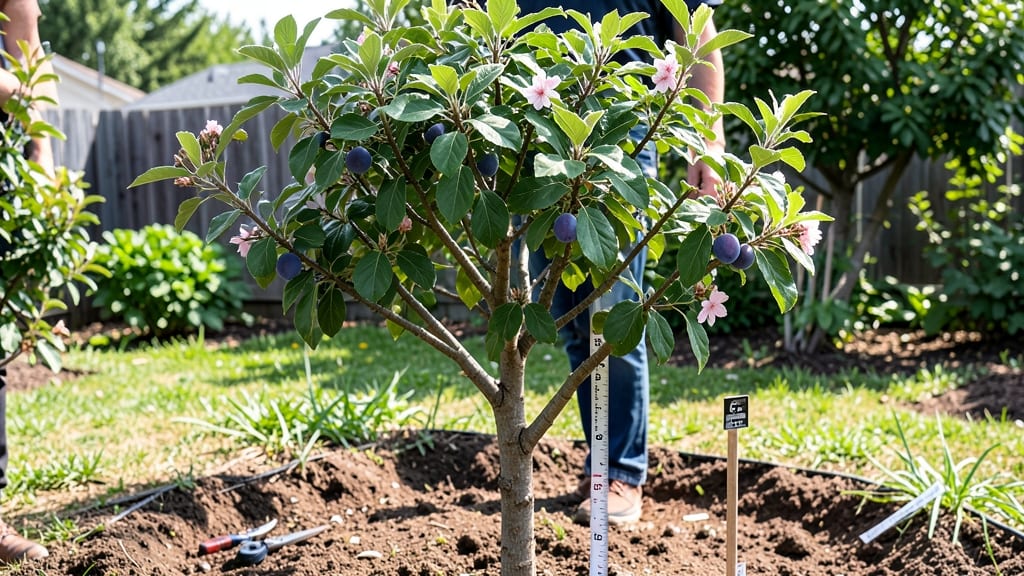
If you’ve ever wondered how tall do dwarf plum trees grow, you’re not alone—many gardeners hesitate to plant them for fear of overcrowding. The good news? These compact varieties like 🍑 'Santa Rosa' typically mature between 6–10 feet, making them ideal for small yards, balconies, or even large containers.
Unlike their full-sized counterparts that can tower over 20 feet, dwarf plum trees offer the same sweet rewards in a fraction of the space. Their manageable height means you can enjoy fresh fruit without sacrificing your garden’s layout or sacrificing aesthetics.
But here’s the catch: their final height depends on pruning, variety, and growing conditions. With the right care, you can keep them even shorter—perfect for urban gardens or patios. Let’s break down what you need to know to maximize space while keeping your 🍑 dwarf plum tree thriving.
In this guide, we’ll compare popular varieties, share pruning tips to control growth, and help you decide if a dwarf or semi-dwarf tree fits your space best. Ready to grow plums without the bulk?


Dwarf plum tree height chart: mature sizes by popular varieties
If you're planning to grow dwarf plum trees in your backyard, knowing their mature height is crucial for spacing and design. Unlike their standard counterparts that tower 20–30 feet, dwarf varieties typically reach 6–12 feet at maturity, making them ideal for small gardens or containers.
The exact height depends on the variety and rootstock, so let’s break down the most popular options.
Most dwarf plum trees grow between 8–12 feet tall, but some compact varieties stay under 6 feet. For example, the 'Santa Rosa' variety matures around 10–12 feet, while 'Methley' remains closer to 8–10 feet.
Understanding these differences helps you choose the right fit for your space and pruning goals.
| Variety | Mature Height (ft) | Spread (ft) | Ideal Spacing (ft) | Notes |
|---|---|---|---|---|
| Santa Rosa | 10–12 | 8–10 | 10–12 | Classic red plum, self-pollinating |
| Methley | 8–10 | 6–8 | 8–10 | Yellow-green fruit, great for containers |
| Friar | 6–8 | 5–6 | 6–8 | Compact, purple fruit, cold-hardy |
| Stanley | 10–12 | 8–10 | 10–12 | Large red plums, needs pollinator |
| Shiro | 8–10 | 6–8 | 8–10 | White-yellow fruit, self-pollinating |
| Methley x Santa Rosa | 7–9 | 6–7 | 7–9 | Hybrid, disease-resistant |
When selecting a dwarf plum tree, consider not just height but also the spread and ideal spacing for airflow and sunlight. For example, the 'Santa Rosa' requires 10–12 feet of space, while the 'Friar' variety is more compact at 6–8 feet.
This makes the latter perfect for small gardens or container growing.
Growth rates vary, but most dwarf plum trees reach half their mature height in the first 3–5 years. For instance, a 'Methley' tree might grow 3–5 feet in its first year and double by year three.
Proper pruning and fertilization can further influence height, so plan accordingly if you’re working with limited space.
If you’re growing multiple plum trees, ensure they’re spaced at least 8–12 feet apart to prevent overcrowding. This spacing also reduces the risk of disease spread and improves fruit quality.
For container growing, choose varieties like 'Friar' or 'Methley', which thrive in 15–20 gallon pots with proper drainage.
Another key factor is the rootstock used for grafting. Dwarf plum trees are often grafted onto St. Julian A or Myrobalan rootstock, which naturally limits their size. However, if you notice your tree growing taller than expected, it may be suckering from the rootstock—prune these
How to control dwarf plum tree height: pruning and training tips
Keeping your dwarf plum tree at its ideal height isn’t just about aesthetics—it’s about maximizing fruit production and tree health. With the right pruning techniques, you can maintain a compact shape while encouraging strong growth.
Most dwarf varieties thrive when pruned to stay between 6–10 feet tall, but aggressive pruning can reduce this further.
Timing is everything when it comes to pruning. For dwarf plum trees, the best time to prune is late winter or early spring, just before new growth begins. This dormant-season pruning helps shape the tree and removes dead or weak branches without stressing the plant.
Avoid heavy pruning in late summer or fall, as it can stimulate tender new growth that won’t harden off before winter.
Here’s my go-to pruning